

14 Safety Tips for Black Friday Shopping
 Written by Preston Micalizio Written by Preston Micalizio Preston MicalizioPreston Micalizio writes insurance content for SmartFinancial. He brings three years of professional experience writing ... Read more |  Edited by Richard Murphy Edited by Richard MurphyRichard MurphyRichard Murphy manages content on SmartFinancial's website. With a strong background in content strategy and copywriting... Read more |
 Editorial Standards
 SmartFinancial Offers Unbiased, Fact-based Information. Our fact-checked articles are intended to educate insurance shoppers so they can make the right buying decisions. Learn More
Black Friday can offer incredible deals around Thanksgiving, but participating may also leave you vulnerable to car break-ins while shopping or a potential injury from a car accident in a crowded parking lot. Even if you do most of your shopping online, keep an eye out for potential internet scams and identity theft.
Keep reading to learn Black Friday safety tips that can help you enjoy a safer shopping experience and kick off your holiday season with confidence.
|
Key Takeaways
|


What Are the Most Common Safety Issues on Black Friday?
Depending on the store’s popularity and foot traffic, in-person holiday shopping on Black Friday may pose several safety risks. Here’s a quick rundown of a few potential hazards to keep in mind while shopping.
In-Store Injuries
During the Black Friday shopping frenzy, in-store injuries are a major concern. The combination of large crowds, limited-time deals and the rush to grab discounted items can lead to accidents. In-store injuries may involve trips, slip-and-falls from spilled liquids or discarded packaging, and mishaps from falling merchandise or overcrowded aisles.
Leaving the store doesn’t eliminate risk — you can slip and fall on your way to or from your parked car, especially if winter weather has left the asphalt slippery. Drivers moving too quickly may fail to see pedestrians, resulting in an injury or fatality if a car strikes someone while crossing the street. Once inside your car, it’s easy to get into an accident if you or another driver rushes to take a parking spot nearby or turns into a shopping center from a busy street.
Theft
On Black Friday, shoppers and their cars may be vulnerable to theft and smash-and-grab incidents. Busy stores, crowded spaces and distracted shoppers create opportunities for thieves to steal belongings such as wallets, phones and bags discreetly. In some cases, shoppers may also accidentally leave personal items behind while rushing between stores.
Online Fraud, Scams and Hackers
As Black Friday's online shopping continues to grow, so do cybercrimes such as scams, phishing and hacking. In 2024, 4.2% of all U.S. e-commerce purchases between Thanksgiving and Cyber Monday were suspected to be fraudulent.[1]
Shoppers may encounter fake websites posing as legitimate retailers or receive malicious emails promoting too-good-to-be-true deals. These tactics are designed to steal your personal information, payment details and money.
Why Is It Called Black Friday?
The origins of Black Friday date back to Philadelphia in the 1960s. Local police used the term to describe the day after Thanksgiving, when large crowds of suburban families and out-of-town visitors flooded the city for holiday shopping or to attend the annual Army–Navy football game, held the following Saturday.[2]
Retailers later tried to reinvent the holiday with the often-told myth that the name came from businesses going “into the black,” signifying a day of profits in their sales books. Although this isn’t the event’s true origin, Black Friday is still an important day for most businesses, marking the beginning of holiday sales.[2]
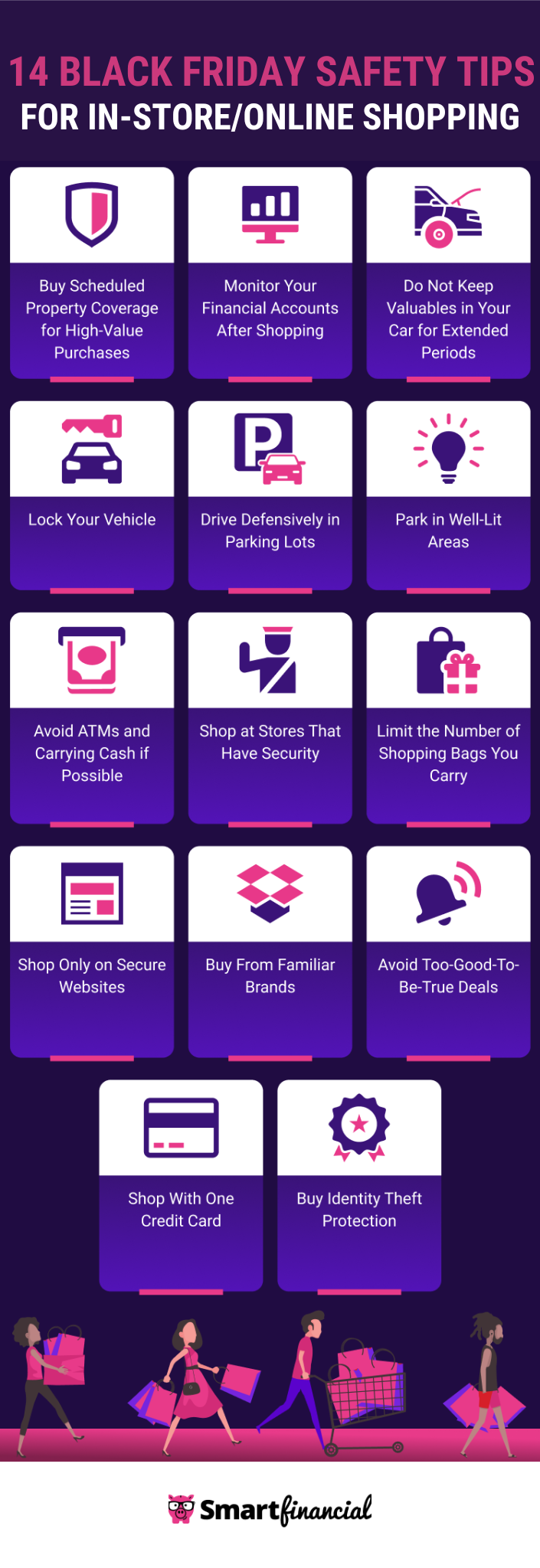
9 Black Friday Safety Tips for In-Store Shopping
Follow these Black Friday safety tips to help protect yourself from injury, theft and other risks while shopping in stores.
1. Get the Right Insurance Coverage for Black Friday
If you're eyeing large or high-value purchases, understand that your homeowners or renters insurance — as well as your personal property coverage — may include limits on certain items. For example, insurance companies often place sublimits on jewelry and furs. If you buy these items and their values exceed those limits, you’ll need to add scheduled property coverage to your homeowners or renters policy for full reimbursement if they’re stolen or damaged by a covered loss.
It’s also worth reviewing your car insurance, especially if you’re visiting multiple stores, since busy parking lots increase the risk of accidents. Collision insurance covers repairs to your car after a car accident, while comprehensive insurance covers you if your car is broken into, vandalized or stolen. If you’re leasing or still paying off a car loan, you likely already have collision and comprehensive coverage.
Comprehensive insurance does not cover personal items stolen from inside your car. Instead, those items are typically covered by your homeowners or renters insurance, often limited to a percentage of your personal property coverage.
2. Monitor Your Credit Cards and Bank Accounts After Use
After the Black Friday shopping rush, keep a close eye on your financial statements. Unauthorized charges or suspicious activity can easily go unnoticed among legitimate purchases. Regularly checking your credit card and bank account statements can help you quickly identify and report any discrepancies.
Try to carry only one credit card while shopping. If your wallet is stolen, it’s much easier to cancel a single card than several.
3. Avoid Keeping Valuables in Your Vehicle for Extended Periods
During Black Friday, thieves often look for easy targets, and a car filled with shopping bags can be an appealing opportunity. Leaving valuables in your vehicle — even if hidden from view — increases your risk of a break-in.[3] If you must store purchases in your car, do so only temporarily.
Thieves targeting parking lots often search for cars that remain parked for long periods, especially in shopping centers where owners are unlikely to return soon, giving criminals time to break in unnoticed. In the middle of your shopping trip, consider moving your car to a different parking spot to make it appear that you’ve left the area.
4. Lock Your Vehicle
It might seem like common sense, but it's easy to overlook basic safety steps in the rush of Black Friday shopping — always make sure your vehicle is locked. An unlocked car is an open invitation for opportunistic thieves to take what’s inside or even steal your vehicle entirely, especially on a day when many shoppers are distracted by deals and crowds.
5. Be Wary of Reckless Drivers in Parking Lots
Black Friday often brings impatient and distracted drivers. Parking lots become hectic, with cars circling for spots and pedestrians everywhere — a perfect setup for fender benders or someone being struck by a distracted driver.
Stay alert for vehicles speeding, failing to yield to pedestrians or making sudden turns without signaling. When walking, make eye contact with drivers to ensure they see you, and always use caution when crossing the street, even if no cars appear to be approaching.
6. Park in a Well-Lit Area
If you're shopping early in the morning or late at night, darkness can provide cover for criminals looking to break into your car. Whenever possible, park in a well-lit area close to store entrances. The added visibility helps deter thieves and makes it safer when returning to your car.
7. Avoid ATMs
Carrying large amounts of cash can make you a target, so it’s best to avoid ATMs on Black Friday, as thieves may monitor machines near shopping centers. If you need to withdraw money, do so in a well-lit, high-traffic area, and be discreet.
8. Shop at Retail Stores With Security Present
Stores that prioritize security typically provide a safer shopping experience. Look for retailers with visible security guards, attentive staff members and surveillance cameras. Their presence helps deter potential criminals and adds an extra layer of safety for Black Friday shoppers.
9. Limit the Number of Shopping Bags You Carry
Carrying too many shopping bags can make you appear to be an easy target. It can also restrict movement, making it harder to react quickly in an emergency. Try consolidating your purchases into fewer bags or make periodic trips to your car to lighten your load. If you plan to continue shopping, store items out of sight — such as in your trunk — before returning to the store.
5 Black Friday Safety Tips for Online Shopping
Shopping online can help you avoid Black Friday traffic and crowds, but there are still unique cybersecurity risks to manage. Below are a few online Black Friday safety tips to help protect your personal and financial information while shopping.
1. Ensure the Website You’re Shopping On Is Secure
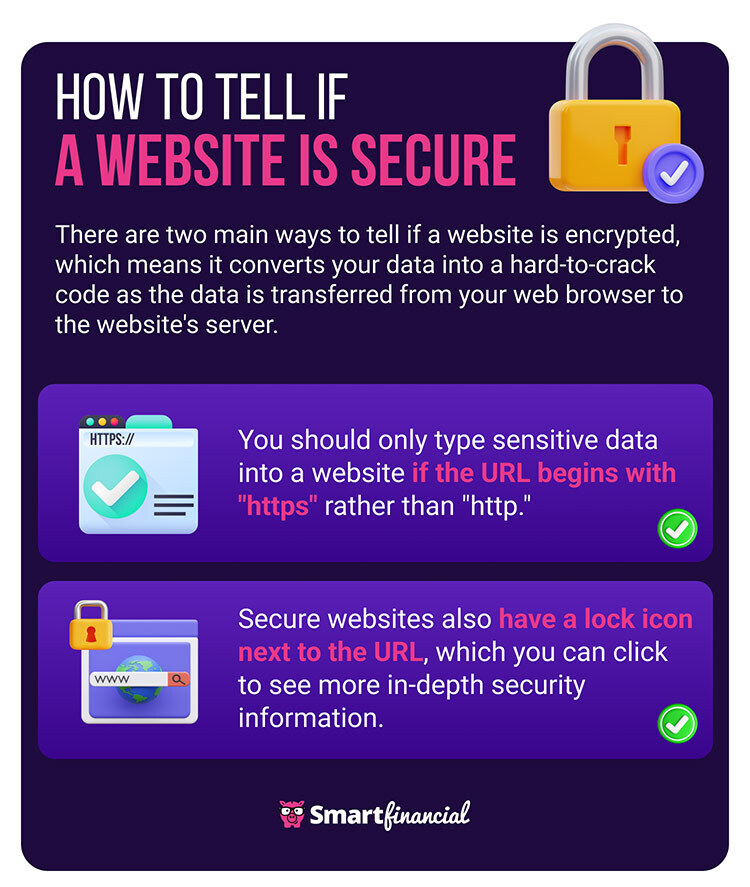
Before making online purchases on Black Friday, it's essential to shop only on secure websites. Scammers may launch phishing scams, sending realistic-looking emails with links to fake web pages — sometimes impersonating legitimate retailers — to trick shoppers into sharing personal or financial information.
Prior to entering any sensitive data, check the website's URL to ensure it starts with "https://", which indicates a secure connection. Also look for a lock icon in the address bar or at the bottom of the browser window. These signs show that the site uses encryption to protect your information and reduce the risk of cyber theft.
2. Shop Familiar Brands
Sticking to well-known, trusted brands can reduce the risk of scams or counterfeit products. These retailers usually have stronger security measures in place to protect customer data.
While shopping with new or unfamiliar online retailers offering tempting Black Friday deals might be appealing, always exercise caution. If you're considering a purchase from a lesser-known site, research the company first — read reviews, check customer feedback and make sure clear contact information is available.
3. Avoid Deals That Seem Too Good To Be True
Black Friday is famous for deep discounts, but it's also a prime opportunity for scammers to lure shoppers with offers that seem too good to be true. If a deal looks unrealistically low or far cheaper than what other retailers advertise, consider it a red flag.
4. Shop With One Credit Card
Using a single credit card for all your online Black Friday purchases can be a smart move. It simplifies monitoring for unauthorized transactions and limits potential exposure if the card information is compromised. Choose a card with strong fraud protection features, and review your statements regularly. If you notice any unfamiliar charges, report them to your card issuer immediately.
5. Buy Identity Theft Protection
Safeguarding personal and financial information is crucial in today's online shopping environment — especially during events like Black Friday and Cyber Monday. In 2024, more than 1.1 million identity theft reports were filed with the Federal Trade Commission.[4]
Identity theft protection services offer another layer of security by monitoring databases and alerting you to suspicious activity on your financial accounts. Many insurance companies offer these services as add-ons to homeowners or renters policies. Some banks and credit card issuers also provide identity protection — often at a discount or as a complimentary benefit.
- Insurance quotes /
- Black Friday Safety Tips
Preston Micalizio writes insurance content for SmartFinancial. He brings three years of professional experience writing in various industries, from higher education to e-commerce. He strives to engage with the audience, provide accurate reporting and make complex subjects easily digestible.


Get a Free Insurance Quote Online Now.
More on Insurance

Get a Free Insurance Quote.
Compare rates from dozens of companies in less than 3 minutes.