

8 Tips for Lowering Your Small Business Insurance Premiums
 Written by Dylan Tate Written by Dylan Tate Dylan TateDylan Tate is an insurance content expert for SmartFinancial with over 300 articles about home, auto, business, health a... Read more |  Edited by Dan Marticio Edited by Dan MarticioDan MarticioDan Marticio is the content manager at SmartFinancial and has written 150+ articles across multiple insurance verticals.... Read more |
 Editorial Standards
 SmartFinancial Offers Unbiased, Fact-based Information. Our fact-checked articles are intended to educate insurance shoppers so they can make the right buying decisions. Learn More
There are various ways to reduce the cost of small business insurance such as shopping around, forgoing coverage types you don’t need, employing strategies to lower your exposure to losses that your business would otherwise be likely to face, asking your small business insurer about potential discounts and more.
Keep reading for eight tips that can help you secure a lower small business insurance premium while still making sure your company is adequately covered.
|
Key Takeaways
|
On This Page

1. Reduce Unnecessary Coverage
2. Raise Your Small Business Insurance Deductible
3. Bundle Insurance Policies
4. Evaluate Your Business Protections and Risks
5. Pay Your Premium in Advance
6. Maintain a Good Credit Score
7. Keep Inventory
8. Talk to Your Insurance Agent About Programs
How To Shop for Small Business Insurance
FAQs

1. Reduce Unnecessary Coverage
Not every business needs every type of commercial insurance, so your first step should be looking at the coverage types currently included in your insurance policy and getting rid of the ones that aren’t necessary for your business. For example, if you run an office-based business with no company-owned vehicles and your employees don’t need to drive their own cars for any commercial purposes besides getting to work, then you shouldn’t need commercial auto insurance.[1]
2. Raise Your Small Business Insurance Deductible
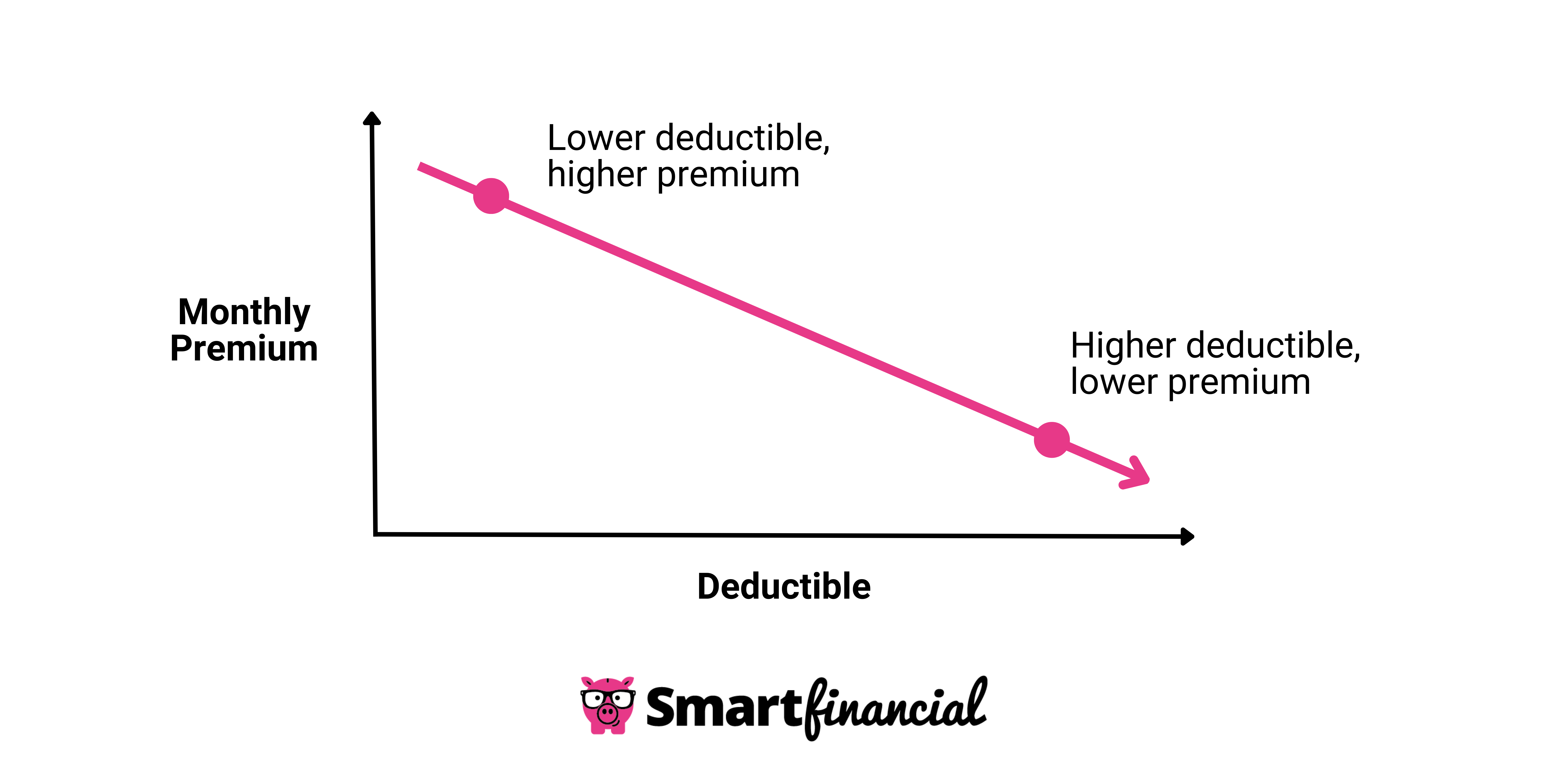
Another way to lower your premium is to raise your deductible, which is the amount of money you are personally responsible for paying toward each claim you file. When you have a higher deductible, your insurance company is responsible for a smaller portion of the costs whenever you experience a covered loss, meaning you won’t need to pay as much in regular premiums since there is less risk that the insurer will have to pay out a large sum for a claim on your policy.
3. Bundle Insurance Policies
It may be more cost-effective to bundle multiple coverage types from the same insurance carrier together rather than buying them separately. The most prominent example of a commercial insurance bundle is the business owners policy (BOP), which typically combines general liability, commercial property and business interruption coverage into one convenient package. NEXT Insurance customers may pay up to 10% less for a BOP than they would for separate general liability and commercial property insurance policies.[2]
4. Evaluate Your Business Protections and Risks
You may also save money on insurance by determining what the biggest risks facing your business are and implementing risk management solutions to account for them. For example, you could earn a discount if you install security systems and fire alarms, conduct background checks on all new employees or require regular training for your workers.
According to Mark Pierce, a certified public accountant (CPA) and the founder and CEO of Wyoming Trust & LLC Attorney, establishing preventive measures to lower your exposure to certain losses can lead to lower insurance premiums for the policies that would cover those losses.
“A manufacturing company I worked with reduced their workers’ compensation insurance costs by implementing an employee safety program that lowered the rate of workplace accidents,” Pierce said in a message to SmartFinancial. “These smart moves, although they require a bit of work up front, can lead to significant savings in the long run and are well worth the effort.”
5. Pay Your Premium in Advance
Some carriers will offer you a discount if you pay for an entire year’s worth of coverage up front rather than paying in monthly installments. For example, small business owners can save nearly $50 per year on commercial insurance through GEICO by paying their premium in full in advance.[3]
6. Maintain a Good Credit Score
Commercial insurance companies will usually take your credit score into account when setting your insurance prices, so you may be able to save money by taking steps to improve your business credit such as regularly making loan payments on time.[4]
7. Keep Inventory
You should regularly take note of the overall value of your business property so you can know whether you have appropriate coverage limits or if you can afford to cut back instead. For example, if your commercial building and all of the contents stored inside of it are collectively worth $1 million, then there’s no need for your policy to include $5 million worth of commercial property insurance.
8. Talk to Your Insurance Agent About Programs
If you offer group health insurance as part of your employee benefits package, you should ask your insurance agent whether they can negotiate a discounted rate if you implement an employee wellness program.
How To Shop for Small Business Insurance
Your insurance coverage needs can change over time, so it’s typically beneficial to shop around and compare quotes from three to five business insurance companies at least once per year. Insurers each have their own formulas for calculating risk, which means that different carriers may offer you different rates for the same coverage.
The most efficient way to comparison shop is through an online marketplace like SmartFinancial. After you fill out a brief questionnaire, we’ll do the legwork of helping you find policies in your area that best match your coverage needs and budget. Start comparing free commercial insurance quotes in just a few minutes by clicking here.
- Insurance quotes /
- Commercial /
- 8 Tips For Lowering Your Small Business Insurance Premium
Dylan Tate is an insurance content expert for SmartFinancial with over 300 articles about home, auto, business, health and life insurance under his belt. He has over nine years of experience writing for online publications, primarily about gaming and esports. In the process, he has become an expert in search engine optimization, news reporting, feature writing and copy editing.


Get a Free Commercial Insurance Quote.
More on Commercial Insurance

Looking for Commercial Insurance?
Compare rates from dozens of companies in less than 3 minutes.