

Nonprofit Insurance: Costs and Coverage Explained
 Written by Dylan Tate Written by Dylan Tate Dylan TateDylan Tate is an insurance content expert for SmartFinancial with over 300 articles about home, auto, business, health a... Read more |  Edited by Richard Murphy Edited by Richard MurphyRichard MurphyRichard Murphy manages content on SmartFinancial's website. With a strong background in content strategy and copywriting... Read more |
 Editorial Standards
 SmartFinancial Offers Unbiased, Fact-based Information. Our fact-checked articles are intended to educate insurance shoppers so they can make the right buying decisions. Learn More
A nonprofit insurance policy is a set of business insurance coverage types that can shield a charity’s board members, employees and potentially volunteers from financial losses caused by liability lawsuits, natural disasters, commercial vehicle accidents and similar perils. Policies generally cost upwards of $800 annually, though your premiums may vary based on factors like your nonprofit’s size, location and overall risk level.
Read on for more information about liability insurance for nonprofits, including what types of insurance a nonprofit organization may need and why coverage is often necessary.
|
Key Takeaways
|
On This Page

What Is Nonprofit Insurance?
What Does Nonprofit Insurance Cover?
Why Do Nonprofit Organizations Need Insurance?
What Types of Nonprofits Need Insurance?
Types of Insurance Nonprofits Should Consider
How Much Does Nonprofit Insurance Cost?
Tips for Choosing the Right Nonprofit Insurance Coverage
Nonprofit Insurance at a Glance
How To Get Nonprofit Insurance
FAQs

What Is Nonprofit Insurance?
Nonprofit insurance refers to a collection of insurance products that can prevent devastating financial setbacks in the event that a charitable organization experiences property damage, liability claims or some other covered loss. Keep in mind that, although they are limited in their ability to conduct commercial activities, nonprofits generally need commercial insurance rather than personal lines insurance.
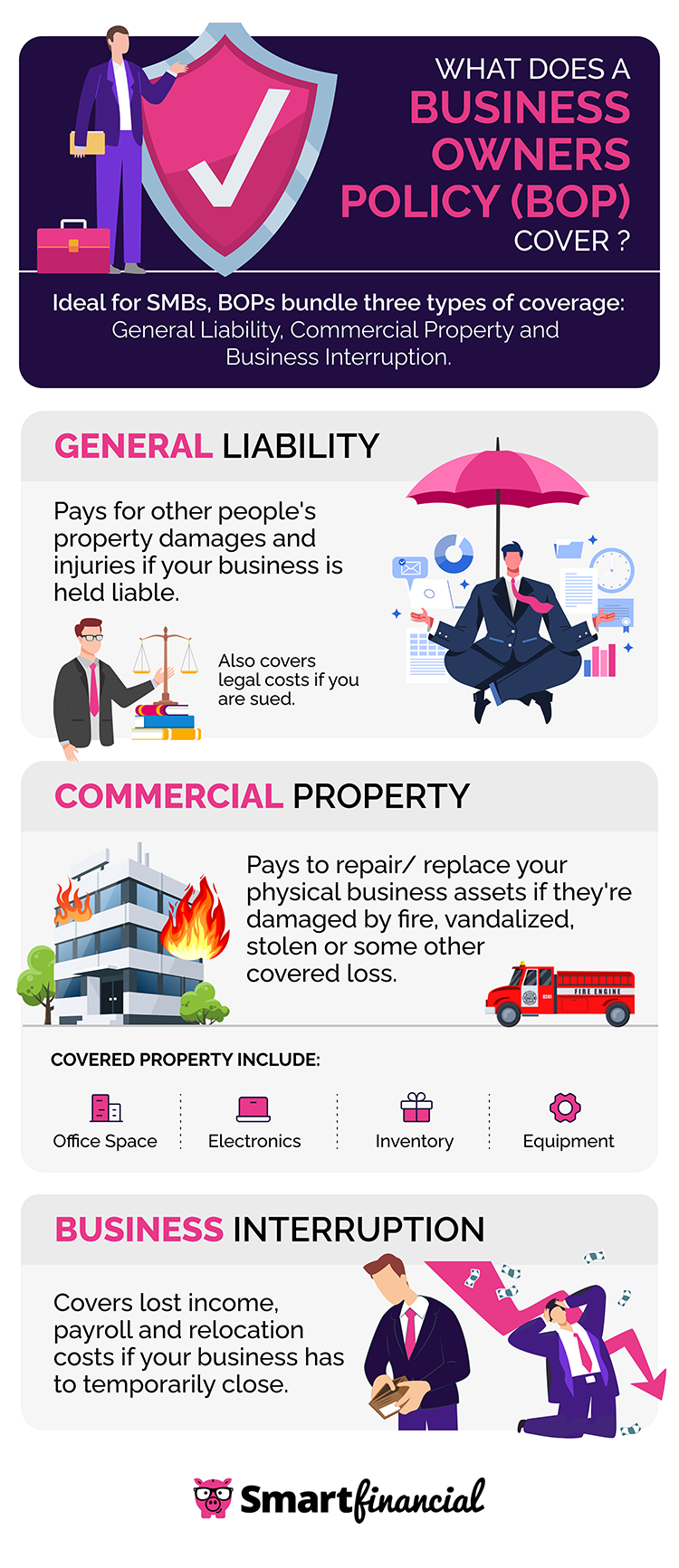
Small nonprofits with a low to moderate number of employees and a standard risk profile can often bundle basic property and liability coverages together through a business owners policy. However, large, high-risk nonprofits with several chapters operating in numerous states or countries may not qualify for BOP coverage.[1] Nevertheless, they may still be able to bundle the specific coverages they need through a customizable commercial package policy.[2]
|
|
Business Owners Policy (BOP) |
Commercial Package Policy (CPP) |
|
Best For |
Small nonprofits with standard risk profiles and no more than 100 employees and $5 million in annual income |
Large nonprofits, nonprofits that are growing in size or complexity and nonprofits facing specialized risks |
|
Benefits |
Bundles the most important commercial insurance policies together at a discounted rate |
Conveniently bundles insurance coverages together while addressing a wider range of risk exposures than a BOP |
|
Relative Cost |
Cheaper than a CPP |
Cheaper than buying each coverage type individually but more expensive than a BOP |
What Does Nonprofit Insurance Cover?
The coverage offered by your nonprofit insurance policy may vary, depending on the coverage types it includes. In general, nonprofit business insurance can cover some or all of the following expenses and situations:[3]
- Medical treatments
- Property repairs
- Legal expenses, such as court-ordered damages, settlements, attorney fees and other court costs
- Professional errors
- Data breaches
- Lost business income due to covered perils
- Commercial vehicle accidents
What Doesn’t Nonprofit Insurance Cover?
Likewise, the coverage types you select for your nonprofit insurance policy will dictate what losses aren’t covered. Common commercial insurance exclusions include the following:[3]
- Intentional and fraudulent losses
- Wear and tear
- Flooding and earthquakes (unless you purchase commercial flood or earthquake insurance)
- Most criminal actions
- Pandemics and government shutdowns
Why Do Nonprofit Organizations Need Insurance?
Nonprofit directors, employees and volunteers may face risks that could lead to costly lawsuits, property damage or other financial losses without adequate nonprofit insurance coverage. Liability insurance for nonprofits can help protect organizations from expenses arising from accidents, legal claims and other covered incidents. Here are examples of common nonprofit activities that can be protected with insurance:[4]
- Hosting fundraisers or community outreach events
- Operating public programs and services for local communities
- Interacting with volunteers, donors and board members
- Buying, renting or leasing event or office space
- Meeting insurance requirements outlined in contracts with venues and other partners
What Types of Nonprofits Need Insurance?
Nearly any nonprofit organization could benefit from maintaining sufficient insurance coverage. Examples of organizations that may need nonprofit liability insurance or other commercial insurance include the following:[4]
- Alumni associations
- Charitable foundations
- Churches and other religious institutions
- Civic organizations
- Political clubs
- Professional and trade associations
- Recreational clubs
Types of Insurance Nonprofits Should Consider
Nonprofit organizations need several types of commercial insurance to fully cover the various risks they may encounter in their day-to-day operations. Continue reading for an overview of some of the most important types of nonprofit insurance.
General Liability Insurance
General liability insurance provides foundational coverage for nonprofits that regularly interact with people, have access to their property or use marketing and advertising to promote their causes. If your nonprofit is held liable for someone else’s injury or damage to their property, your general liability insurance can cover their medical treatments and repair bills — along with your legal fees if they sue you.
In addition, commercial general liability insurance can cover your legal expenses if you are sued over a personal or advertising injury claim, such as defamation or copyright infringement in your marketing materials. Some general liability policies may also include coverage for damage you or your clients cause to property that you don’t own but is in your care, including rented property.[5]
Directors and Officers (D&O) Insurance
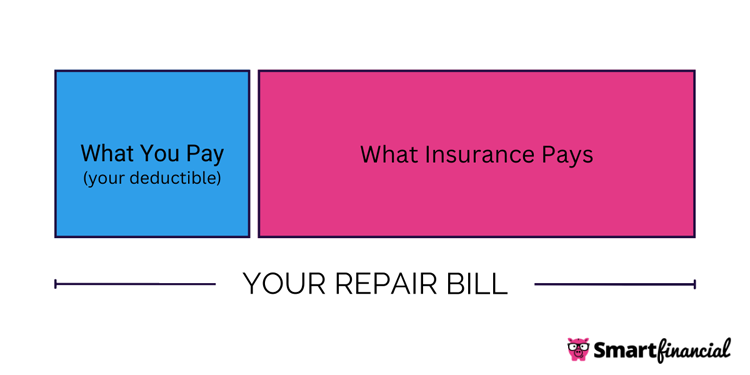
Directors and officers liability insurance can protect your board of directors and other leaders from bearing the brunt of costly legal action if they are accused of executive misconduct or mismanagement, such as improper oversight of operations or a breach of their obligations as directors and officers. D&O insurance claims may require an upfront, out-of-pocket payment known as a self-insured retention or deductible.[5]
Professional Liability Insurance
Professional liability insurance — also known as errors and omissions insurance — covers your legal fees if your nonprofit is sued for a failure in the performance of professional services, such as breach of contract, negligence or misrepresentation. Examples of nonprofit workers who may need professional liability coverage include nurses, daycare workers, counselors, veterinarians and other certified social services professionals.[5]
Commercial Property Insurance
Commercial property insurance can help pay to repair or replace buildings and items owned by a nonprofit if they are damaged or lost due to a peril like fire, storm damage, theft or vandalism. Some commercial property policies automatically include business interruption insurance, which covers lost revenue and ongoing operational costs if a covered peril temporarily inhibits your normal charitable activities.[5]
Employment Practices Liability Insurance
Another crucial form of nonprofit board insurance protection is employment practices liability insurance, which covers legal claims stemming from alleged violations of employees’ rights. Claims covered by EPLI may include harassment, wrongful termination, discrimination and wage disputes. Some nonprofit policies cover EPLI claims under your directors and officers liability insurance.[5]
Commercial Auto Insurance
Commercial auto insurance provides critical protection in case you or your employees are involved in a car accident while driving for purposes related to the mission of your organization. Depending on your state, you may be required by law to purchase commercial auto coverage types like the following:[6]
-
Auto liability: Commercial auto liability insurance can cover another person or entity’s medical or repair costs if your nonprofit is responsible for an accident that leads to bodily injury or property damage.
-
Uninsured/uninsured motorist: Uninsured motorist coverage takes care of your nonprofit’s medical or repair bills if one of your drivers gets into an accident caused by someone who doesn’t have car insurance. Similarly, underinsured motorist coverage steps in if the at-fault driver is insured but their coverage limits are too low to fully cover your post-accident expenses.
-
MedPay/PIP: Medical payments coverage and personal injury protection are coverage types that can pay for medical treatments for your nonprofit’s employees and executives after a collision — even if your organization is liable for the crash.
Though not required by law, you should also strongly consider maintaining physical damage insurance, which can pay to repair or replace your nonprofit’s vehicles after an at-fault collision or an external peril, like storm damage.[6] You will also need hired and non-owned auto liability coverage if you rent or borrow vehicles for your organization or if your employees and volunteers use their own vehicles for nonprofit-related purposes.[5]
Additional Policies Nonprofits Should Consider
For even more comprehensive protection, consider obtaining the following insurance policies for your nonprofit:
- Workers’ compensation: Workers’ compensation insurance can cover health care, rehabilitation, lost wages and more for an employee who is injured or becomes sick on the job. Most businesses are required by law to carry workers’ compensation coverage, but nonprofits may be exempt.[7]
- Cyber liability: If your nonprofit is the target of a data breach or some other cybercrime, cyber insurance can cover expenses related to litigation, crisis management, regulatory penalties, forensic investigations and more.
- Special event: Special event insurance policies often provide short-term liability coverage for individual events, along with reimbursement for sudden cancellations. If you generate most of your annual income through a single fundraising event, such as a banquet or an auction, event insurance can provide an invaluable windfall in case some disaster prevents you from raising money as expected.
- Liquor liability: Liquor liability insurance may be necessary for nonprofits that regularly host fundraisers where alcohol is served. This insurance policy can cover medical bills, property repairs and legal expenses if your nonprofit is held liable for a bodily injury or property damage caused by an intoxicated individual who received alcohol at one of your events.
- Fiduciary liability: Fiduciary liability insurance is another important type of executive liability coverage that covers accusations of misconduct related to your nonprofit’s financial matters, including the management of grant money, donations, payroll and employee benefits.[5]
- Product liability: Nonprofits that make and sell toys, baked goods or other products to raise money may need to maintain product liability insurance in case they are sued after someone experiences an injury, an illness or some other type of harm because of the nonprofit’s product.
- Inland marine: While commercial property insurance covers your nonprofit’s business personal property when it is in or near your main commercial building, you’ll need inland marine insurance to cover items in transit — like when you are traveling to speak with prospective donors or organize a community outreach event.
- Commercial crime: Commercial crime insurance can reimburse you for financial losses if one of your employees commits a crime — such as embezzlement, forgery or fraud — without the knowledge of the nonprofit’s board or other executives.
- ISCPA: Improper sexual conduct and physical abuse insurance can cover your legal fees if someone in your organization is accused of physical or sexual abuse. This coverage is recommended for nonprofits whose employees or volunteers may have unsupervised interactions with vulnerable populations, including children, the elderly and disabled people.[5]
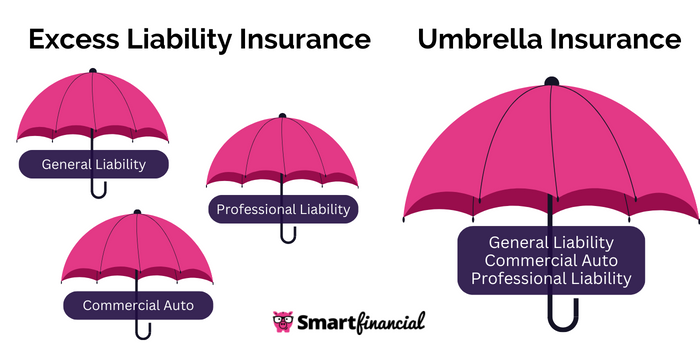
- Commercial umbrella: In the event that a significant lawsuit exhausts the coverage limit of one of your nonprofit liability insurance policies, you need excess liability insurance to cover the outstanding claim amount. Commercial umbrella insurance is a type of excess liability insurance that extends coverage for multiple underlying liability policies at the same time.
How Much Does Nonprofit Insurance Cost?
The Hartford’s nonprofit customers pay an average of about $70 per month for BOP coverage, but your premiums will ultimately depend on factors like your industry, claims history, location, employee headcount and coverage limits.[4] Naturally, your policy could cost more if it includes more coverage types. See the following table for a breakdown of starting rates in most states for various coverages from the Nonprofits Insurance Alliance:[8]
|
Coverage Type |
Starting Annual Premium |
|
General liability insurance |
$600 |
|
Board and executive liability insurance (includes D&O, fiduciary liability and EPLI coverage) |
$1,280 |
|
Board and executive liability insurance minus EPLI |
$330 |
|
ISCPA insurance |
$400 |
|
Professional liability insurance |
$460 |
|
Non-owned auto liability insurance |
$385 |
|
Hired auto liability insurance |
$100 |
|
Commercial property insurance |
$500 |
|
Volunteer or participant accident insurance |
$100 |
|
Commercial umbrella insurance |
$1,015 |
Tips for Choosing the Right Nonprofit Insurance Coverage
Considering steps like these can help you choose the best possible insurance policy for your nonprofit organization:[9]
- Determine which coverages are required: Check your state’s laws and any contracts or rental agreements you have signed to figure out whether you’re required to carry certain types of insurance. For example, even though workers’ compensation insurance is often optional for charities, you may need to verify whether this coverage is mandatory for nonprofits in your state.
- Evaluate your risks: Once you’ve identified the minimum required coverages as a baseline, you must then consider the risks your nonprofit most often faces and determine which small business insurance policies can protect against those risks. For example, if you maintain an immense database with your donors’ payment information, you likely need cyber insurance to be adequately covered.
- Work within your budget: While securing sufficient coverage is crucial, you also want to be fiscally responsible so you can dedicate as much money as possible to helping the communities you serve. With this in mind, carefully choose premiums and deductibles that make sense given your nonprofit’s budget.
- Compare policies from multiple carriers: Upon nailing down the coverage you need and your insurance budget, begin collecting quotes from multiple insurance companies. You can compare these quotes based on factors like their costs, exclusions, discounts and policy details, along with the reliability of the respective insurance carriers.
Nonprofit Insurance at a Glance
- Definition: Nonprofit insurance is not a singular insurance product, but instead a collection of policies designed to cover liability claims, property damage and other common risks facing charitable organizations.
- Requirements: In most states, commercial car insurance is required by law for nonprofits that use vehicles. Although workers’ compensation insurance is compulsory for most businesses, this requirement may not apply to nonprofits, depending on the state.
- Basic coverage: Buying a business owners policy is an affordable way to secure general liability, commercial property and business interruption coverage, but you may not qualify if you operate a large or high-risk nonprofit.
- Specialized coverage: A nonprofit may need various specialized policies to protect its board of directors and other executives, such as directors and officers liability, fiduciary liability and employment practices liability insurance.
- Optional coverage: Depending on how your nonprofit operates, you could potentially benefit from several other types of business insurance, including cyber liability, special event, commercial umbrella and improper sexual conduct and physical abuse coverage.
- Costs: You can generally expect commercial insurance premiums of at least $800 per year for your nonprofit, and your policy could end up costing several thousand dollars annually, depending on the coverages it includes and the scope of your nonprofit operations.
- Insurance shopping tips: To find the best nonprofit insurance policy, you need to evaluate which insurance coverages are mandatory and which coverages make sense given your nonprofit operations, set an insurance budget and shop around by comparing quotes from multiple insurance providers.
How To Get Nonprofit Insurance
It’s best to compare quotes from at least three to five different insurers before settling on an insurance policy for your nonprofit. Each carrier will need to know information like where you operate, how much money you raise each year and how many people work for you. If you opt to contact insurance companies one at a time, this process can be terribly drawn-out and taxing.
Fortunately, SmartFinancial makes it easy to shop for commercial insurance. Simply fill out a single questionnaire to provide us with your nonprofit’s information, and then we’ll connect you with an agent who can help you compare insurance policies that precisely match your coverage needs and budget. Get started on comparing business insurance quotes for free today!
- Insurance quotes /
- Commercial /
- Nonprofit Insurance
Dylan Tate is an insurance content expert for SmartFinancial with over 300 articles about home, auto, business, health and life insurance under his belt. He has over nine years of experience writing for online publications, primarily about gaming and esports. In the process, he has become an expert in search engine optimization, news reporting, feature writing and copy editing.


Get a Free Commercial Insurance Quote.
More on Commercial Insurance

Looking for Commercial Insurance?
Compare rates from dozens of companies in less than 3 minutes.