

Keep Your Business Compensation Packages Safe With Employee Benefits Liability Coverage
 Written by Preston Micalizio Written by Preston Micalizio Preston MicalizioPreston Micalizio writes insurance content for SmartFinancial. He brings three years of professional experience writing ... Read more |  Edited by Dylan Tate Edited by Dylan TateDylan TateDylan Tate is an insurance content expert for SmartFinancial with over 300 articles about home, auto, business, health a... Read more |
 Editorial Standards
 SmartFinancial Offers Unbiased, Fact-based Information. Our fact-checked articles are intended to educate insurance shoppers so they can make the right buying decisions. Learn More
Employee benefits liability coverage is a type of commercial insurance that protects your business against claims that you mishandled an employee’s compensation package. It can cover legal expenses and reimburse employees for lost benefits if someone in your company makes a mistake and fails to administer employee benefits correctly or if your company misrepresents the benefits it intends to offer.
Read below to see what situations are covered by employee benefits liability insurance and how you can purchase it for your business.
|
Key Takeaways
|


What Is Employee Benefits Liability Coverage?
Employee benefits liability (EBL) insurance covers your business in case your employees experience financial losses due to errors and omissions in administering their benefits. For example, this coverage type could pay for your legal defense if an employee who recently submitted their two weeks’ notice sues you for prematurely canceling their employer-sponsored health insurance.
It can also cover legal judgments and settlements or compensate an employee for their lost benefits. For example, suppose someone in your human resources department fails to set up a new hire’s retirement plan until three months after the benefit was supposed to begin. In that case, employee benefits liability insurance could pay out the money the employee’s retirement account would have accrued over those three months.
Is Employee Benefits Liability Coverage Required?
While employee benefits liability coverage isn’t legally required, it can help protect you from potential lawsuits for not providing other legally required benefits. For example, in every state except for Texas, South Dakota and Wyoming, most businesses must buy insurance that covers workers’ compensation.[1] Employee benefits liability insurance can help cover your legal expenses if you are sued for failing to provide these mandatory benefits.
How Does Employee Benefits Liability Work?
Generally, an employee benefits liability policy has two separate coverage limits. The employee limit is the maximum amount your insurance company will pay toward a claim for a single employee or beneficiary. For example, if you forget to enroll an employee in their promised benefits, your policy would cover the cost of the claim up to the employee limit.
Conversely, the aggregate limit is the total amount your insurance company will pay toward all claims throughout the coverage period. For example, if you misrepresent the benefits offered to your employees, resulting in multiple employee claims, you would only be covered up to the aggregate limit on your policy, regardless of how many employees are involved.
In some cases, your policy may put a cap on the claim value as opposed to a cap for individual employees, so be sure to check the terms of your policy. You can generally expect to pay a $1,000 deductible on each employee benefits liability claim.[2] Depending on your insurance provider, employee benefits liability coverage may be available as a standalone policy or an endorsement for another policy, such as general liability insurance.[3]
What Does Employee Benefits Liability Cover?
EBL insurance can cover administrative errors regarding various employee benefits, such as the following:
- Health insurance and flexible spending accounts
- Life insurance
- Dental insurance
- Vision insurance
- Disability insurance
- Workers’ compensation benefits
- Parental leave
- Vacation benefits and paid time off
- Tuition reimbursement
- Stock ownership plans
- Pensions, 401(k) plans, profit-sharing plans and other retirement benefits
- Social Security benefits
Your EBL policy should cover any unintentional error that causes an employee to miss out on benefits they should have received. This could include losing a new employee’s enrollment paperwork, forgetting to enroll them, signing them up for the wrong benefits package or failing to match an employee’s 401(k) contribution as promised.
In addition, this coverage type insures you if an employee receives inaccurate information about their benefits. For example, suppose one of your managers mistakenly tells an employee that their life insurance policy applies to their whole family. In that case, employee benefits liability insurance could cover legal expenses if that employee unsuccessfully tries to claim a death benefit after their spouse dies and then sues your business.
What Isn’t Covered?
Employee benefits liability insurance doesn’t cover fraudulent, dishonest or criminal actions, meaning you won’t be covered if you intentionally withhold an employee’s benefits. It also doesn’t cover claims of bodily injury, property damage or personal and advertising injury since these are already covered by general liability insurance.
Similarly, employee benefits liability coverage doesn’t apply to situations already covered by fiduciary liability insurance. Fiduciary liability insurance covers fiduciaries if they give poor financial advice to your employees, make poor investment decisions with employee retirement accounts or fail to secure sufficient funding for employee benefit programs.[4]
How Much Does Employee Benefits Liability Cost?
Employee benefits liability insurance costs vary from business to business, as various factors that indicate the potential risk of a claim may influence the underwriting process. Here are a few factors that may affect your overall costs:
- Number of employees: Generally, the more people you employ, the greater risk you have of making an administrative mistake that results in a claim, which could contribute to higher premiums.
- Benefits offered: Similarly, the number of varying types of benefits and how complex they may be to administer could increase the likelihood of making an administrative mistake, resulting in potentially higher costs.
- Claims history: Having a history of filing employee benefits liability claims could indicate that your business tends to make mistakes, potentially suggesting that you are riskier to insure and resulting in higher rates.
- Coverage limit: Depending on your coverage limit, your premium costs may be higher to help offset the higher claim amount your insurer may pay. However, ensure you purchase the right amount of coverage, or you could end up paying for expensive lawsuits out of pocket.
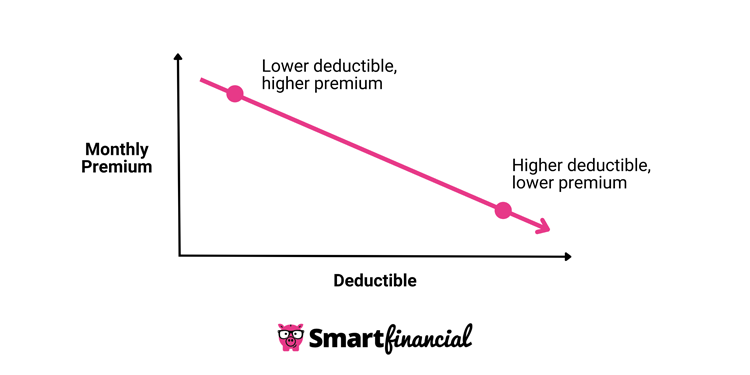
- Deductible: You’ll typically have the option to choose your deductible amount, with lower deductibles often resulting in higher premiums.
How To Get Employee Benefits Liability Coverage
You’ll first need to decide whether you’d like to add employee benefits liability coverage as an endorsement to an existing policy, such as a general liability policy, or buy a standalone policy. Get quotes from three to five insurance companies to compare your various options. You’ll likely need to inform each insurer about the number of employees you have and the benefits you offer, which can become tedious if you inform them individually.
You can help speed up this process by using an insurance marketplace like SmartFinancial. After you fill out a brief questionnaire, we can connect you with a licensed insurance agent who can help you find the commercial insurance policy your business needs. Click here to get a free commercial insurance quote today!
- Insurance quotes /
- Commercial /
- Employee Benefits Liability Insurance
Preston Micalizio writes insurance content for SmartFinancial. He brings three years of professional experience writing in various industries, from higher education to e-commerce. He strives to engage with the audience, provide accurate reporting and make complex subjects easily digestible.


Get a Free Commercial Insurance Quote.
More on Commercial Insurance

Looking for Commercial Insurance?
Compare rates from dozens of companies in less than 3 minutes.