

How Can You Protect Your Home? Indoor, Outdoor and Cyber Defense
 Written by Preston Micalizio Written by Preston Micalizio Preston MicalizioPreston Micalizio writes insurance content for SmartFinancial. He brings three years of professional experience writing ... Read more |  Edited by Dylan Tate Edited by Dylan TateDylan TateDylan Tate is an insurance content expert for SmartFinancial with over 300 articles about home, auto, business, health a... Read more |
 Editorial Standards
 SmartFinancial Offers Unbiased, Fact-based Information. Our fact-checked articles are intended to educate insurance shoppers so they can make the right buying decisions. Learn More
Whether you’re heading out for a vacation or stepping out of the house for a few errands, knowing how to protect your home from disasters and burglars is essential. Setting up a home security system, installing smoke and carbon monoxide detectors and safely storing important documents and valuable items are among the protective measures you can take to help keep your property safe.
Keep reading to learn more home security tips and to see how they can lead to significant discounts on your home insurance premium.
|
Key Takeaways
|
On This Page

1. Set Up a Home Security System
2. Secure All Doors and Windows
3. Take Inventory of Your Belongings
4. Store Important Documents in a Safe Place
5. Keep Your Valuables Out of Sight
6. Remove Hiding Places
7. Make Sure Smoke Detectors and Carbon Monoxide Detectors Work
8. Install Outdoor Lighting
9. Ensure Your Wi-Fi Network Is Secure
10. Lock Your Garage Door
11. Leave a Light on When You’re Out
12. Don’t Announce When You’ll Be Away
13. Reconsider Where You Hide Your Spare Key
14. Communicate With Your Neighbors and Mail Carriers
15. Install Solid, High Fencing
16. Make Sure Your Home and Belongings Are Insured
How To Protect Your Home When You’re on Vacation
Why Is It Important To Ensure Your Home Is Safe?
FAQs

1. Set Up a Home Security System
A home security system can detect and deter intruders, alert you and the authorities to any unauthorized entry or suspicious activity and provide evidence in case of a crime. If you use smart home devices, you can monitor your home remotely and receive alerts when a security breach occurs. If set up properly, your system can notify your local police.
A home security system may include:
- Cameras
- Motion detectors
- Door and window sensors
- Alarm systems
- Access control measures
A home security system may also lower your homeowners insurance rates, potentially cutting costs by as much as 20%.[1]
2. Secure All Doors and Windows
Install sturdy locks and deadbolts on your doors and windows to make it more difficult for intruders to gain entry. Smart locks are particularly useful because they can be controlled remotely, and they allow you to monitor and control access to your home from anywhere.
Give your front door particular attention as it is a common entry point for thieves. In fact, 34% of burglars will simply open the front door and walk into someone's home. In comparison, first-floor windows make up 23% of entry points used by burglars, while 22% of home intruders use the back door.[2]
3. Take Inventory of Your Belongings
Having a home inventory list can also help you keep track of your possessions and identify any missing items if your home is burglarized. Your home inventory should compile information about your personal belongings, including receipts, photos and dates of purchase. These details will come in handy when calculating your total losses if you need to file an insurance claim.
4. Store Important Documents in a Safe Place
Storing important documents, like passports, birth certificates, wills, deeds and insurance policies, in a fireproof safe or a secure offsite location can provide additional protection against fire or burglary. Having a designated location for important documents can save time and hassle in case of an emergency or the need to access important information.
5. Keep Your Valuables Out of Sight
By keeping valuable items, such as jewelry, electronics and cash, hidden from view, you can reduce the risk of attracting the attention of potential intruders. This can include keeping curtains or blinds closed and not leaving valuables in plain sight near windows or doors.
Don’t forget your car, either. While homeowners insurance may cover items stolen from your car, you should still keep valuables stored in your trunk or otherwise out of sight.
6. Remove Hiding Places
Trimming or removing overgrown foliage and branches can increase your property’s visibility, making it harder for intruders to approach your home without being noticed. This can also make it easier for you, your neighbors or security cameras to spot suspicious behavior, including break-ins and vandalism.
7. Make Sure Smoke Detectors and Carbon Monoxide Detectors Work
Smoke detectors can provide early warning of a fire, giving you and your family enough time to evacuate safely. Ensuring these critical sensors function properly can help minimize the risk of injury or death due to a fire or carbon monoxide poisoning.
Depending on your insurance company and where you live, maintaining your home sensors can potentially help you lower your homeowners insurance premiums. For example, AAA offers a 5% insurance discount to California residents with central fire alarms.[3]
8. Install Outdoor Lighting
Outdoor lighting can illuminate dark areas and make it more difficult for intruders to approach your home without being noticed. Furthermore, motion-activated lights can provide an added layer of security, as they can startle and deter potential intruders.
9. Ensure Your Wi-Fi Network Is Secure
An unsecured Wi-Fi network exposes your personal and financial information to hackers. Learn how to secure your home network by setting up a strong network password, enabling encryption and updating your router software regularly.
Also, be careful using public Wi-Fi networks, which can be easily compromised. Stick with your own secure internet connection. If you want extra coverage, consider adding identity theft protection to your homeowners insurance policy.
10. Lock Your Garage Door
Garages often contain valuable possessions, such as vehicles, tools and other equipment, making them an attractive target for burglars. By keeping your garage doors locked, you can reduce the risk of unauthorized access to your property. This can include securing the garage door with a strong and reliable lock and ensuring that the windows and other access points are properly secured.
11. Leave a Light on When You’re Out
Burglars are often creatures of convenience, meaning they would rather rob an empty house than an occupied one. Leaving a few lights on can help give the appearance of you being home, which will help deter thieves and vandals from doing anything unsavory to your home or possessions.
12. Don’t Announce When You’ll Be Away
Keeping your plans close to the vest can help prevent thieves and other criminals from entering your home. As it has been said, thieves and vandals are less inclined to do anything if they think the house they’re looking at has people inside. So, keeping vacation plans and the like off of social media and between you and a few trusted people will help you protect your home.
13. Reconsider Where You Hide Your Spare Key
Finding a new place to put spare house keys will help safeguard your property, as places like under doormats and planters are easily accessible areas for criminals to check. By placing your spare key somewhere unexpected, you will make it more difficult for prospective intruders to get into your home.
14. Communicate With Your Neighbors and Mail Carriers
A trusted neighbor can help keep an eye on your home while you are away, alerting you or the authorities of any suspicious activity. If your home will be vacant for an extended period, consider giving your neighbor access to it so they can check on things while you’re gone. Don’t forget to give them your alarm system’s code if you have one so it won’t accidentally alert the local authorities; you can always change the code later.
If you plan to go out of town for an extended period of time, you can contact the U.S. Postal Service and ask to halt your mail delivery for up to 30 days.[4] Your mail will be held at your local post office, and you can pick it up when you return. Doing so will help cut down on mail and package theft.
15. Install Solid, High Fencing
A sturdy and tall fence along your home’s perimeter does more than provide privacy; it can also deter potential burglars, making it harder for them to gain access to your property. Just be sure to check for any gaps in the fence that can make it easy for somebody to slip through unnoticed.
16. Make Sure Your Home and Belongings Are Insured
You should make sure that your homeowners insurance policy includes enough dwelling insurance to cover completely replacing your home in case it is destroyed by a sudden peril, like a wildfire. Keep in mind that the average construction cost of a single-family home is $162 per square foot and may vary based on construction materials.[5]
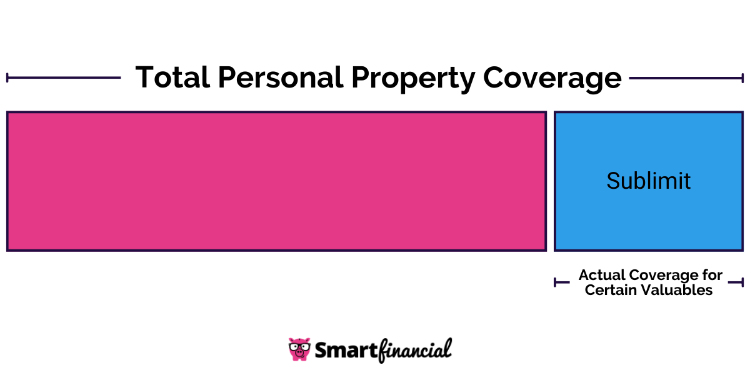
Additionally, you’ll need to account for your personal belongings. While coverage limits on personal possessions often amount to 50% to 70% of your dwelling coverage, your policy may have sublimits for specific personal property claims.[6]
For example, some policies will only pay a maximum of $1,000 for jewelry theft claims, regardless of the total value of the stolen items.[7] Consider getting a scheduled personal property endorsement if you have expensive items or collectibles you want to protect financially.
How To Protect Your Home When You’re on Vacation
Some additional steps you can take to protect your home while you’re on vacation include hiring a housesitter to stay in your home the entire time you are gone and parking any cars you don’t take with you in a garage to mitigate the risk of vehicle theft. Depending on how long you will be gone, you may need to take additional steps to make your house appear lived in, such as paying someone to come and mow your lawn.[8]
Why Is It Important To Ensure Your Home Is Safe?
Ensuring your home is safe can help reduce the risk of incidents that will require you to file a home insurance claim. Having few to no claims in your recent history helps keep your premiums as low as possible. Conversely, filing a claim will likely increase your premiums when you renew your policy.
Securing your home may also give you and your family peace of mind and a boost in your quality of life. Feeling safe in your home can help you relax and enjoy your living space more thoroughly.
As discussed earlier, home safety can also lead to potential discounts on homeowners insurance costs. Check with your home insurance provider to see if they have discounts for installing safety equipment, such as deadbolts, burglar alarms, smoke alarms and more, as these can offer significant savings on your premiums. Shopping around can be an excellent way to find additional savings while getting the essential coverage you need to keep your home safe. Click here to get a free homeowners insurance quote today!
- Insurance quotes /
- Home /
- How To Protect Your Home
Preston Micalizio writes insurance content for SmartFinancial. He brings three years of professional experience writing in various industries, from higher education to e-commerce. He strives to engage with the audience, provide accurate reporting and make complex subjects easily digestible.


Get a Free Home Insurance Quote Online Now.
More on Home Insurance
Looking for Home Insurance?
Compare rates from dozens of companies in less than 3 minutes.