

What Is an HO-8 Insurance Policy? Modified Coverage Explained
 Written by Preston Micalizio Written by Preston Micalizio Preston MicalizioPreston Micalizio writes insurance content for SmartFinancial. He brings three years of professional experience writing ... Read more |  Edited by Richard Murphy Edited by Richard MurphyRichard MurphyRichard Murphy manages content on SmartFinancial's website. With a strong background in content strategy and copywriting... Read more |
 Editorial Standards
 SmartFinancial Offers Unbiased, Fact-based Information. Our fact-checked articles are intended to educate insurance shoppers so they can make the right buying decisions. Learn More
An HO-8 policy is a form of homeowners insurance for older and historic buildings that may not qualify for standard coverage, since their rebuild value often exceeds their current market value. However, while HO-8 home insurance helps provide essential protection for these properties, an HO-8 insurance policy is more limited in its coverage.
Keep reading to learn more about HO-8 policies, how they work and whether one may meet your needs.
|
Key Takeaways
|


What Is an HO-8 Policy?
Also called Modified Coverage Form 8, an HO-8 policy is a type of home insurance for historic homes and older properties constructed more than 40 years ago. HO-8 home insurance provides several types of coverage, including dwelling, personal liability and additional living expenses.[1][2]
This type of policy is intended for homes with a replacement cost significantly higher than their market value, or where the means to repair or restore aspects are difficult to reproduce, antiquated or use materials that are harder to source. However, to offset the higher risk of an expensive claim, an HO-8 insurance policy offers more limited coverage than standard homeowners insurance.[2]
Is an HO-8 Policy the Same as an HO-3 Policy?
HO-8 policies are more limited than HO-3 policies, covering only named perils for dwelling coverage. Here’s a quick breakdown comparing the two types of homeowners policies:[2]
|
HO-8 |
HO-3 (Standard) |
|
|---|---|---|
|
Coverage Level |
Limited |
Basic |
|
Dwelling |
Named peril |
Open peril |
|
Personal Property |
Named peril |
Named peril |
|
Payout |
ACV (or RCV, if available) |
|
|
Best For |
Older or historic homes that can may be difficult to qualify for standard homeowners insurance. |
Homeowners in need of standard insurance that provides the most common coverage needs. |
How Does an HO-8 Policy Work?
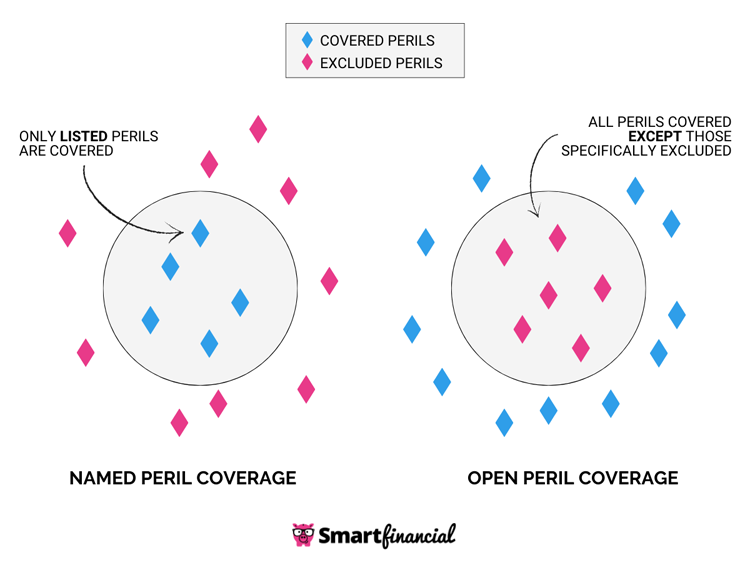
HO-8 policies function similarly to standard homeowners policies, offering reimbursement after you file a qualifying claim. However, much like an HO-1 policy, an HO-8 insurance policy employs a more limited named-peril form rather than the broader open-peril coverage that other types of homeowners insurance offer. We’ll discuss these limitations later.
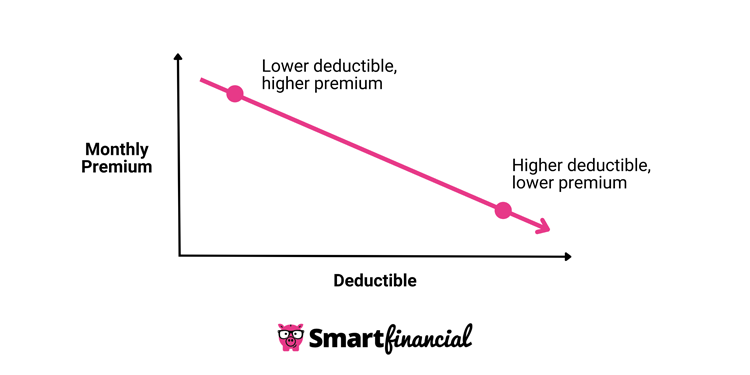
Additionally, when making a claim, you typically need to account for your deductible, which is the amount you’re responsible for paying during the policy period. Lower deductibles often result in higher premiums, while raising your deductible can lower your premium, since you’re opting to cover more of the financial risk.
Do HO-8 Policies Pay at Replacement Cost?
HO-8 policies typically pay on an actual cash value (ACV) basis instead of replacement cost, which accounts for depreciation when reimbursing a claim. Older homes may be at higher risk of damage than newer homes because some of their bespoke features — such as decorative moldings, stained glass windows and hand-carved architecture — are much more expensive to replace or repair. By using ACV, insurance companies help keep premiums lower while still providing homeowners with essential coverage.
What Does an HO-8 Policy Cover?
HO-8 insurance coverage operates on a named-peril basis — you're covered for ONLY the specific perils named in your policy. You can find more details about your coverage on the declaration page of your policy, which you should review to understand any of the policy’s limitations.
Out of the 16 most common perils, you are protected against only 10. Below, we’ll quickly break down what perils are typically covered:[2]
|
Perils Covered |
|---|
|
Fire or lightning |
|
Explosion |
|
Riot or civil commotion |
|
Damage by aircraft |
|
Damage by vehicles |
|
Smoke |
|
Vandalism or malicious mischief |
|
Theft |
|
Volcanic eruption |
With dwelling coverage, the structure of your home is protected against the ten named perils listed in your policy. Your personal liability coverage will pay for legal costs if you're financially responsible for the property damages or injuries of someone else on your property. HO-8 insurance will cover your personal belongings for damage or loss due to one of the named perils listed in your policy.
Also called loss of use coverage, HO-8 insurance will pay for your daily living costs if you need to stay elsewhere because your home is uninhabitable. For example, you may receive compensation to stay in a hotel if your home is being repaired after a fire.
What Isn't Covered?
As mentioned, HO-8 policies don't cover all 16 common perils. While you have coverage for several external perils, you're at risk for falling objects and damage to your home systems and appliances, such as freezing, accidental tears and power surges.[2]
|
Perils NOT Covered |
|---|
|
Falling objects, such as a tree branch |
|
Weight of ice, sleet, snow |
|
Sudden/accidental discharge or overflow of water/steam from appliances, heating or air conditioning systems |
|
Sudden/accidental tears, bulges, cracks and burns of HVAC or hot water systems or water heating appliances |
|
Freezing of plumbing, heating, air conditioning and fire sprinkler systems |
|
Sudden/accidental damage from power surges |
Like many standard home insurance policies, the following events would also not be considered a covered loss on HO-8 policies either:[2]
- Earthquakes
- Flood
- Government acts
- Hurricane
- Infestation of animals and pests
- Mold
- War
- Wear and tear
- Pet damages
With so many holes in your coverage, you should consider further protecting your home and belongings. While older homes are riskier, some insurance providers may sell you a separate policy to cover earthquakes, flood damage or another type of risk. You can also see if your issuing insurance carrier would allow you to add coverage via an endorsement to your existing policy, which will cause your insurance premium to increase depending on the added cost.
Who Needs an HO-8 Policy?
Those who should most consider an HO-8 policy include homeowners of:
- Older homes, particularly those at least 40 years old
- Registered landmarks
- Homes with a significant or unique architectural design
- Homes that are built out of difficult-to-replace materials
How To Get Insurance for Older Homes
You should shop around among different insurance companies to better understand your options, including whether your home qualifies for standard homeowners insurance or if an HO-8 makes more sense. Try to get three to five quotes to help you compare prices and coverages. You’ll typically need to provide information about your home's age, value, recent renovations and location.
Keep in mind that this process can become tedious and time-consuming, as you’ll often need to get quotes from each insurance company individually. Speed up this process by using an insurance marketplace like SmartFinancial. After a brief questionnaire, we’ll connect you with a licensed insurance agent to help you get the coverage that meets your needs. Click here for a free homeowners insurance quote today!
- Insurance quotes /
- Home /
- What Is Ho8 Insurance Policy
Preston Micalizio writes insurance content for SmartFinancial. He brings three years of professional experience writing in various industries, from higher education to e-commerce. He strives to engage with the audience, provide accurate reporting and make complex subjects easily digestible.


Get a Free Home Insurance Quote Online Now.
More on Home Insurance

Looking for Home Insurance?
Compare rates from dozens of companies in less than 3 minutes.