

Do I Need Flood Insurance if I Live in Florida?
 Written by Dylan Tate Written by Dylan Tate Dylan TateDylan Tate is an insurance content expert for SmartFinancial with over 300 articles about home, auto, business, health a... Read more |  Edited by Richard Murphy Edited by Richard MurphyRichard MurphyRichard Murphy manages content on SmartFinancial's website. With a strong background in content strategy and copywriting... Read more |
 Editorial Standards
 SmartFinancial Offers Unbiased, Fact-based Information. Our fact-checked articles are intended to educate insurance shoppers so they can make the right buying decisions. Learn More
You are required by law to purchase flood insurance in Florida if you live in a high-risk flood zone and have a government-backed loan. Even when it’s optional, Florida homeowners should consider buying flood coverage, since standard homeowners insurance policies do not cover flooding. When shopping for flood insurance, Florida residents may be able to choose between private coverage and insurance provided by the federal government.
Keep reading to learn about the average cost of flood insurance in Florida and what options you may have for securing cheap Florida flood insurance.
|
Key Takeaways
|


Is Flood Insurance Required in Florida?
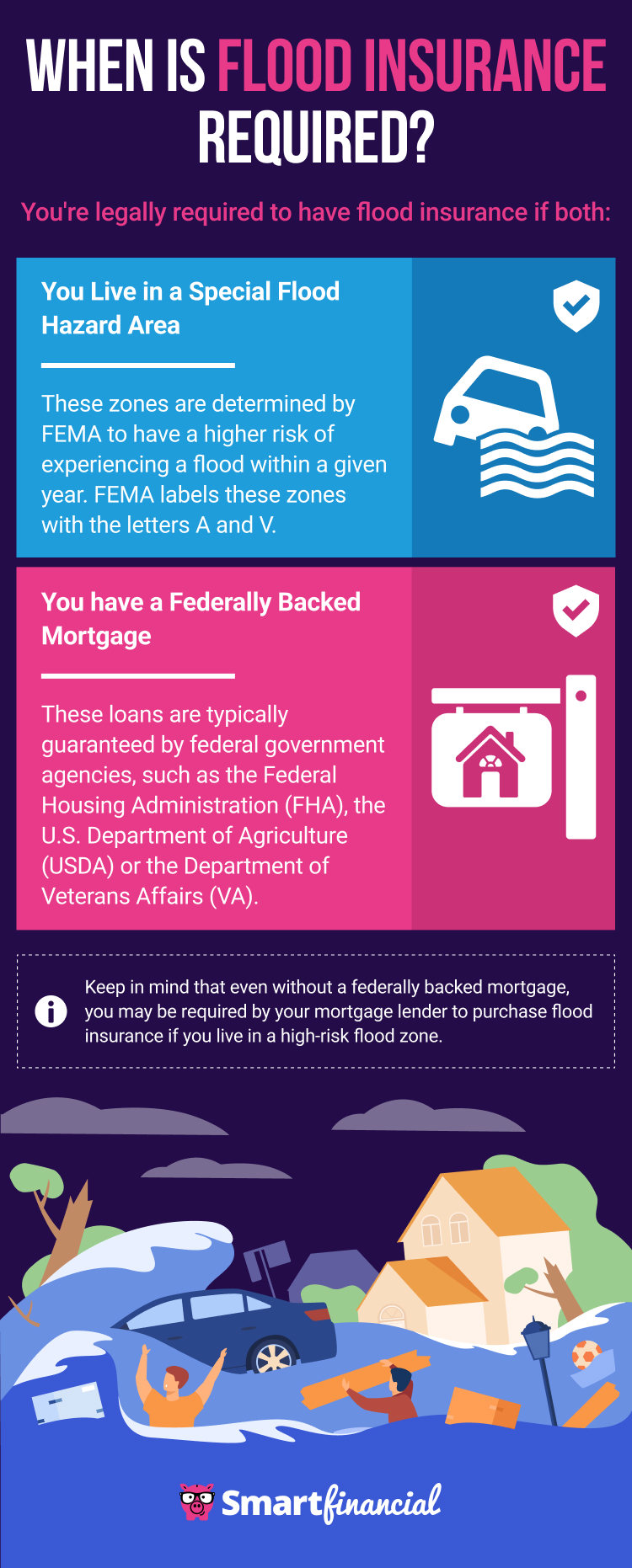
Flood insurance is not universally required by law in Florida, though it may be required by your mortgage lender.[1] That said, there are some situations where flood coverage is legally mandatory. For example, you must maintain flood insurance if you live in a high-risk flood zone and have a mortgage from a lender that is backed by the federal government.[2]
Additionally, starting in 2026, if you live in a high-risk area and have a wind insurance policy from Citizens Property Insurance Corporation — Florida’s insurer of last resort — you are required to get flood insurance if your policy includes more than $400,000 worth of coverage for the structure of your home. Beginning in 2027, Citizens wind insurance policyholders in high-risk flood zones must buy flood insurance regardless of their policy’s dwelling coverage limit.[3]
Keep in mind that standard homeowners insurance policies generally exclude coverage for flood damage to your home or belongings. As a result, if you live in a region that is prone to flooding, you should consider buying flood insurance coverage to protect yourself from significant financial losses in the event that floodwaters damage your property — even if it isn’t a legal requirement for you.
Flood Zones in Florida
The Federal Emergency Management Agency uses flood maps to assess the flood risk in each area of the United States and split regions into different zones that indicate their likelihood of experiencing a flood. See below for an overview of the various categories of FEMA flood zones:[4]
- High-risk flood zones: Flood zones marked with A or V are considered to have a high risk of flooding; as a result, people in these areas who have federally backed mortgages are required to carry flood insurance. Flood zones V and VE specifically refer to coastal areas, where storm surges pose an additional threat.
- Low- to moderate-risk zones: Zones marked with B, C or X have a medium or low chance of experiencing a flood — meaning the odds of a major flood occurring within any given year are 1% or less. These areas may have a lower flood risk due to natural topographical features, such as shallow floodplains, or human-made features, such as levees.
- Indeterminate zones: Areas marked with D on a flood map have an unknown risk because FEMA has not conducted a comprehensive flood hazard analysis for those areas. Since flood insurance companies can’t precisely evaluate a property’s flood risk in flood zone D, homeowners in these regions can generally expect to pay high annual flood insurance premiums.
How Does Flood Insurance Work in Florida?
After experiencing flood damage, you can file a claim on your flood insurance policy by documenting the damage and submitting relevant evidence to your insurance carrier, such as pictures or videos, receipts and home inventories. You will also have to contribute a set amount of money toward your claim out of pocket — this is known as a deductible.
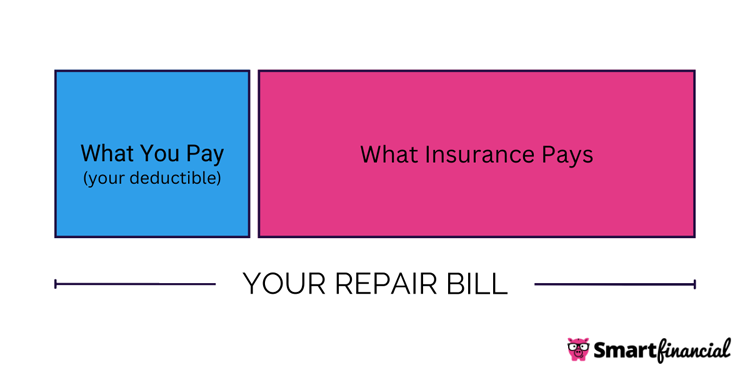
If your claim is approved, your insurer will reimburse you up to your policy’s coverage limits. Policies from FEMA’s National Flood Insurance Program include $250,000 worth of coverage for your home and $100,000 worth of coverage for your personal property.[5] However, you may be able to secure higher coverage limits by purchasing a private flood insurance policy from a carrier that doesn’t partner with the NFIP.
What Does Florida Flood Insurance Cover?
NFIP flood insurance is split into two separate coverage types: building coverage for the structure of your home and contents coverage for your possessions. Building coverage extends to the following systems, appliances and structures:[5]
- Electrical and plumbing systems
- Furnaces and water heaters
- Refrigerators, stoves, dishwashers and other built-in appliances
- Permanently installed carpeting, cabinets, paneling and bookcases
- Window blinds
- Foundation walls, anchorage systems and staircases
- Detached garages
- Solar energy equipment, fuel tanks and well water tanks and pumps
Meanwhile, here are some examples of items that are covered by NFIP contents coverage:[5]
- Clothes
- Furniture
- Electronics
- Curtains
- Washers and dryers
- Portable and window air conditioners
- Microwaves
- Carpet installed over wood floors
- Valuables, such as artwork and furs (with a $2,500 sublimit)
- Merchandise and raw materials held in storage or for sale (if you operate a home-based business)
What Isn’t Covered?
An NFIP policy won’t cover water damage caused by something other than a storm or other natural source of flooding. For example, flooding caused by a sewer backup or clogged pipes would be excluded. Regardless of the source of flooding, the NFIP won’t cover additional living expenses while your home is being repaired or financial losses caused by flood-related business interruptions.[5]
Also, the NFIP doesn’t cover flood damage to the following items:[5]
- Currency and precious metals
- Stock certificates and other valuable papers
- Cars or other self-propelled vehicles and their parts
- Any personal property stored in a basement
- Property outside of an insured building, such as landscaping, septic systems, decks or patios, fences and swimming pools
How Much Does Flood Insurance Cost in Florida?
The median cost of NFIP flood insurance in Florida is $776 per year as of August 2023. That said, the median actuarial rate that Florida homeowners should pay to fully account for the level of risk associated with their properties is $1,363 per year, according to FEMA. As a result, anyone who currently has a discounted premium may see their prices increase by as much as 18% per year until they are paying the full risk-based premium for their property.[6]
Who Provides Flood Insurance in Florida?
The majority of flood insurance policies in Florida are underwritten by the NFIP, which often partners with private insurance companies to administer its policies. Nevertheless, you may also have the option to buy standalone flood insurance from a private insurer that underwrites its own policies, such as a surplus lines carrier. In addition, some homeowners insurance companies offer flood coverage as an endorsement to your home insurance policy.[7]
How To Get Flood Insurance in Florida
To find the best rate on flood insurance, it’s helpful to compare policies from multiple different insurance carriers — potentially including a mix of NFIP partners and other private flood insurance companies. Unfortunately, many shoppers may be tempted to stick with the first flood insurance quote they receive for the sake of convenience rather than fully evaluating their options.
If you’d like your homeowners and flood insurance claims to be handled by the same company, you should shop around for coverage through SmartFinancial. We’ll connect you with an insurance agent who can help you compare quotes from insurance companies that either sell NFIP coverage or offer flood coverage as an optional home insurance add-on. Get started on comparing homeowners insurance quotes for free today!
- Insurance quotes /
- Home /
- Flood Insurance Florida
Dylan Tate is an insurance content expert for SmartFinancial with over 300 articles about home, auto, business, health and life insurance under his belt. He has over nine years of experience writing for online publications, primarily about gaming and esports. In the process, he has become an expert in search engine optimization, news reporting, feature writing and copy editing.


Get a Free Home Insurance Quote Online Now.
More on Home Insurance

Looking for Home Insurance?
Compare rates from dozens of companies in less than 3 minutes.