

Florida Home Insurance Quotes And Coverage
 Written by Preston Micalizio Written by Preston Micalizio Preston MicalizioPreston Micalizio writes insurance content for SmartFinancial. He brings three years of professional experience writing ... Read more |  Edited by Richard Murphy Edited by Richard MurphyRichard MurphyRichard Murphy manages content on SmartFinancial's website. With a strong background in content strategy and copywriting... Read more |
 Editorial Standards
 SmartFinancial Offers Unbiased, Fact-based Information. Our fact-checked articles are intended to educate insurance shoppers so they can make the right buying decisions. Learn More
Florida home insurance isn’t required by law, but your mortgage lender may require it. Even if you don’t need to purchase a homeowners insurance policy, having enough coverage can help you pay for costly repairs after a hurricane or cover legal expenses if someone is injured on your property.
Read on to learn about the types of home insurance available in Florida, what’s covered and how natural disasters and other factors have influenced Florida home insurance costs.
|
Key Takeaways
|


Types of Home Insurance To Consider in Florida
Like most other states, Florida has several different types of home insurance policies that differ in the level of coverage offered:[1]
|
Florida Home Insurance Policy |
Description |
|---|---|
|
Provides named peril coverage for your home and personal belongings. |
|
|
Provides similar coverage to HO-1 policies, but with additional perils covered. |
|
|
Provides open peril coverage for your home and named peril coverage for your personal belongings.[2] |
|
|
Provides open peril coverage for your home and personal belongings. |
|
|
Provides similar coverage to HO-1 policies, but is intended for homes at least 40 years old. |
What Does a Standard Home Insurance Policy Cover in Florida?
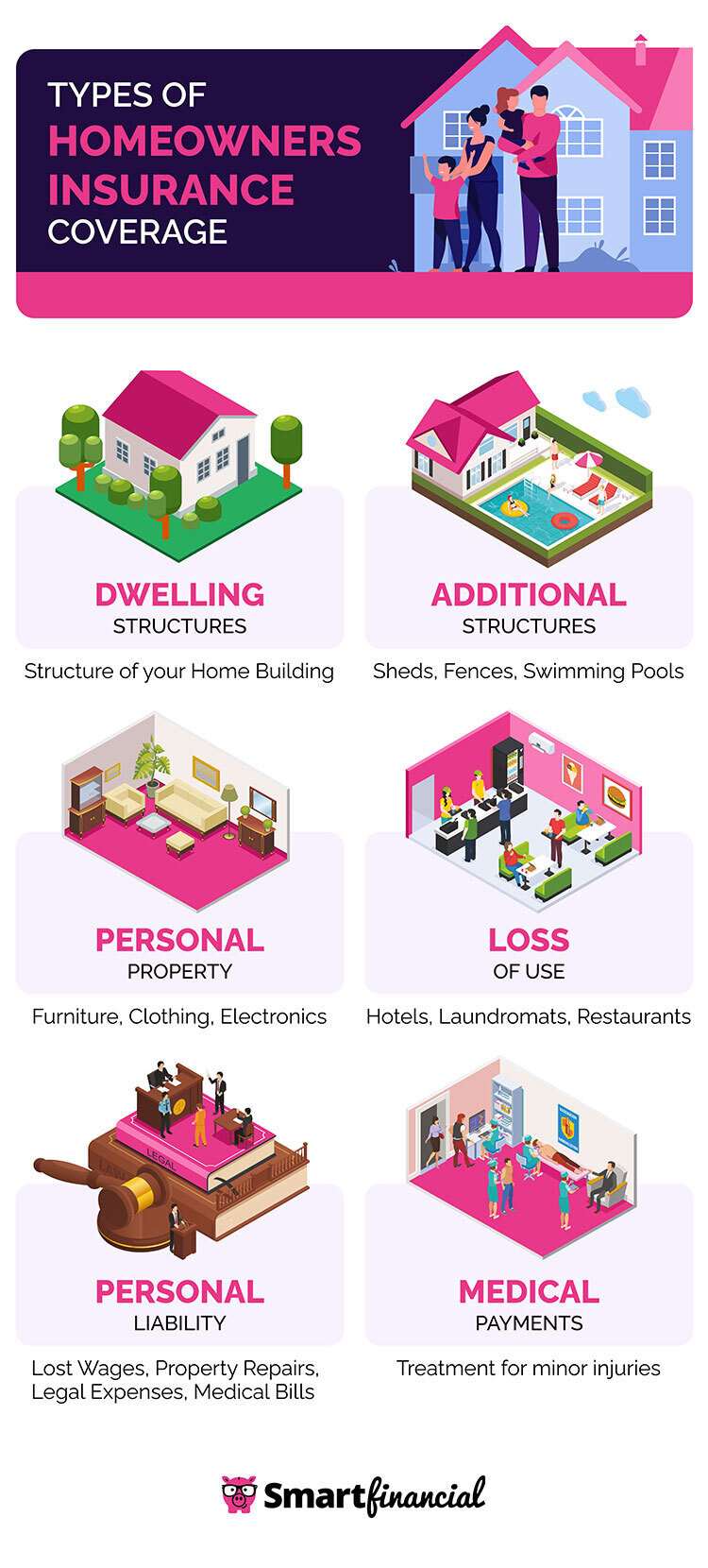
Standard Florida home insurance policies include the following six coverage types:[3]
- Dwelling: Dwelling coverage insures your house's physical structure and any structures directly connected to it, such as a patio or garage.
- Other structures: Other structures coverage can reimburse you for damage to freestanding structures on your property besides your home, potentially including detached garages, fences and swimming pools.
- Personal property: Personal property insurance covers damage to items you own, such as furniture and clothes. Coverage often extends to items damaged outside your home.
- Loss of use: If a covered peril renders your home uninhabitable, loss of use coverage helps pay for temporary additional living expenses, like hotel stays or restaurant meals.
- Personal liability: If you’re held liable for someone’s injury or damage to their property, personal liability coverage can protect against related expenses like hospital bills, property replacement costs and legal fees.
- Medical payments: Medical payments coverage can cover medical expenses for someone injured on your property.
Homeowners insurance companies may also offer optional home coverage for other unexpected losses, such as identity theft, business property damage, extended replacement cost coverage, water damage caused by a backed-up drain or sump pump and scheduled personal property coverage for valuable items like jewelry or artwork.[4]
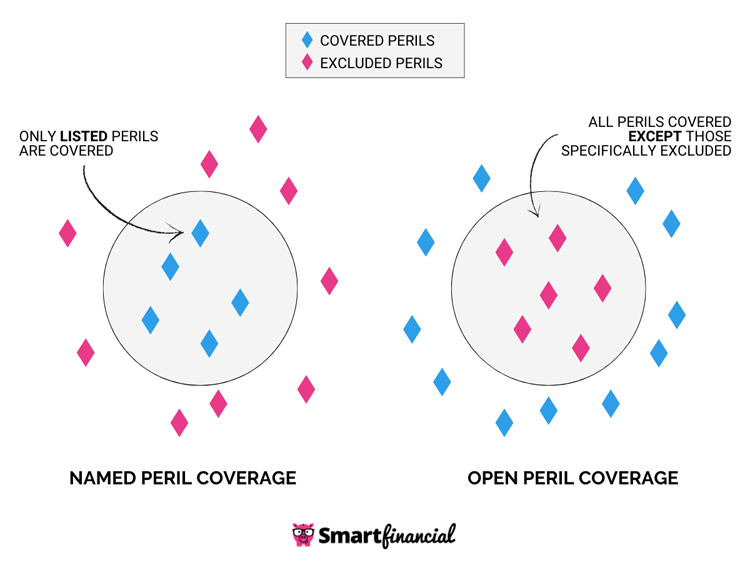
Home insurance policies that are open peril cover losses caused by any form of damage that isn’t explicitly listed as an exclusion. On the other hand, named peril policies will only cover losses from specific forms of damage listed in the policy. We’ll cover potential exclusions in Florida later on. While named perils can vary between policies, they typically include the following 16 perils:
|
Vandalism or malicious mischief |
|
|
Windstorm or hail |
|
|
Explosion |
Volcanic eruption |
|
Riot or civil commotion |
Falling objects |
|
Damage by aircraft |
Weight of ice, sleet or snow |
|
Damage by a vehicle |
Freezing of home systems |
|
Smoke |
Sudden/accidental power surges |
|
Sudden/accidental tearing, cracking, burning or bulging of home systems |
Water/steam discharge from home systems and appliances |
What Isn't Covered?
Since home insurance is intended to cover sudden and unexpected losses, you typically won’t be covered for damages that occurred slowly over time, were done intentionally or were preventable. For example, damage caused by pest infestations, wear and tear, developing mold or a slowly leaking pipe typically won’t be covered.[5] Additionally, leaving your home unoccupied for an extended period — typically 30 days or more — could result in a potential claim denial.[6]
Although most standard home insurance policies cover windstorms, Florida home insurance may exclude or provide limited coverage for them.[7] Florida home insurance typically does not include earthquake or flood coverage, so you must buy a separate policy or rider. Home insurance normally also won’t cover acts of terrorism.[8]
What Is the Average Cost of Florida Home Insurance?
As of 2025, the average annual premium for $300,000 of homeowners insurance costs $5,761, or about $480 per month, for Florida residents.[9] This is roughly 82% higher than the average premium costs nationwide.[10]
Factors affecting your Florida home insurance rates will vary between policies and carriers. Still, they can include where you live, your credit score, your deductible amount, the value of your property and your claims history.[11]
Homeowners Insurance Crisis in Florida
Much like California, Florida is experiencing a homeowners insurance crisis, with over 70% of state residents being affected by rising premiums or changes in coverage, including dropped coverage.[12] For example, Florida experienced a 280% increase in non-renewals by insurance carriers from 2018 to 2023 — the highest rate in the nation.[13] Additionally, Florida is the third most expensive state to purchase insurance in 2025, behind Louisiana and Nebraska.[14]
Some of the factors that led to this current crisis include:
Climate Disasters and Severe Weather
Florida is the state most heavily impacted by hurricanes, which are becoming more severe due to rising ocean temperatures driven by climate change. Higher temperatures also bring greater rainfall, which can increase potential flood risk.[15]
Hurricanes have also intensified and slowed over time, meaning stronger winds and heavier rain affect the state for longer periods.[15] The higher risk of hurricane damage often leads insurers to raise qualifications for policyholders, reduce coverage options, increase prices or leave the state entirely.
Fewer Available Carriers
Due to the high business costs, many insurance carriers have left the state or become insolvent. Between 2020 and 2023, over 30 insurance carriers, including major carriers such as Farmers and AAA, stopped or reduced coverage in the state.[16][17][18] This results in higher premiums due to a lack of competition and increased risk for remaining insurers in the event of widespread claims, like after a large hurricane.
Excessive Litigation
Before 2022, Florida insurance companies were required to pay both a policyholder’s attorney's fees and their own, regardless of the outcome of lawsuits. This made it more enticing for policyholders to pursue a lawsuit, since the cost of doing so was effectively borne by the insurance carrier. Additionally, contractors could sue on behalf of a policyholder, promoting the filing of fraudulent claims, as there was minimal risk in doing so.[19]
As a result, despite only making up 9% of the nation’s homeowners insurance claims in 2022, Florida accounted for nearly 80% of all home insurance lawsuits in the U.S.[19] Many insurance companies stopped offering coverage in Florida to avoid dealing with this risk, while others could not manage the high costs of lawsuits and dissolved.
Laws passed at the end of 2022 were meant to correct these issues and have successfully slowed rate increases across the state compared to previous years. However, it may take several years with these reforms in place before Florida policyholders experience standard premiums and coverages that align with the national average.[20]
Economic Conditions
Inflation has steadily risen in the U.S., directly impacting home insurance through higher construction and repair costs, resulting in higher claim amounts and often higher rates to offset these increased costs. This change has been more notable in recent years, with the U.S. dollar experiencing an average annual inflation rate of 1.77% between 2015 and 2020, compared to a more explosive 4.59% between 2020 and 2025.[21]
Florida Homeowners Insurance Discounts
There are several ways to earn discounts on your Florida homeowners insurance, some of which can include:[22][23]
- Get a wind mitigation inspection for your home to ensure it's resistant to some of Florida’s severe weather conditions
- Fortify your roof and the connections between your wall, roof and foundation, alongside windows and attached structures, to better protect your home from hurricanes and hail
- Purchase hurricane clips to reinforce your roof and wall’s connection, potentially reducing the hurricane portion of your home premiums by up to 50%
- Improve your home security by installing smoke detectors, burglar alarms, sprinkler systems or smart home devices
- Go several years without filing any home insurance claims
- Bundle multiple insurance policies from the same insurer, such as home and auto insurance
- Staying with the same insurance company for a long time to earn a loyalty discount
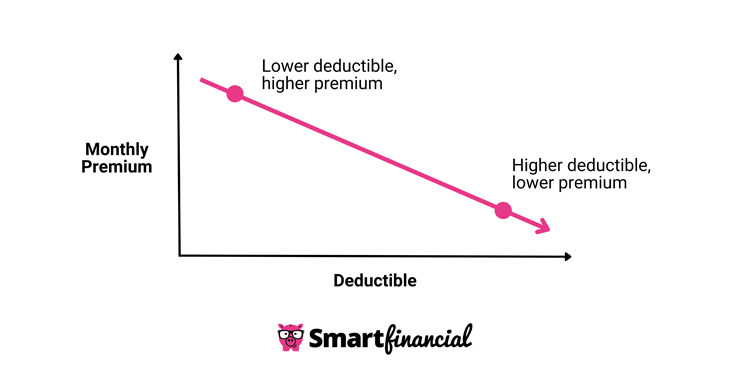
In addition to traditional discounts, you can also consider increasing your deductible. However, ensure you don’t raise your deductible too high so that out-of-pocket expenses don’t become a financial burden if you need to make a claim.
Florida Home Insurance Requirements and Laws
Florida homeowners aren’t required by law to have home insurance. However, a lender may require you to maintain a homeowners insurance policy until the mortgage is paid off.[24] Additionally, you may be required by a homeowners association (HOA) to purchase home insurance as a requirement for joining.[25]
While not included with home insurance, homeowners may be required to purchase flood insurance depending on where they live or how their home is financed. Those living in special flood hazard areas and with a government-backed mortgage must purchase flood insurance. Some banks may require you to purchase flood insurance if you take a mortgage from them, regardless of whether you live in a high-risk area.[26]
How To Get Florida Homeowners Insurance
To get Florida homeowners insurance, start by shopping around to ensure you get the best deal. Try to compare quotes between three to five different insurance companies. However, this may become tedious, as you’ll typically need to gather quotes from each insurer, each of which will require you to provide information about your home and personal details.
Speed up this process by using an insurance marketplace like SmartFinancial. After answering a brief questionnaire, we’ll connect you with a licensed insurance agent to help you find the right Florida home coverage for your needs. Click here for free home insurance quotes today!
What Do I Need To Get Homeowners Insurance in Florida?
Each insurer may base its underwriting process on different factors. Some of the information you should have prepared, if requested, when gathering quotes can include:[27]
- The home’s residents
- Whether you own pets, what kind and how many
- Whether you use your home for business
- Your insurance coverage and claims history
- Your home’s replacement cost
- Your home’s age, size and location
- Materials used in your home’s construction and any renovations or repairs you’ve made
- What safety devices have you installed
What To Do if You Don't Qualify for Florida Home Insurance
If you don’t qualify for standard Florida home insurance, you should consider purchasing coverage from the state’s insurance of last resort, also known as Citizens Property Insurance.[28]
- Insurance quotes /
- Home /
- Florida
Preston Micalizio writes insurance content for SmartFinancial. He brings three years of professional experience writing in various industries, from higher education to e-commerce. He strives to engage with the audience, provide accurate reporting and make complex subjects easily digestible.


Get a Free Home Insurance Quote Online Now.
More on Home Insurance

Looking for Home Insurance?
Compare rates from dozens of companies in less than 3 minutes.