

Contractors Insurance: Coverage and Costs Explained
 Written by Preston Micalizio Written by Preston Micalizio Preston MicalizioPreston Micalizio writes insurance content for SmartFinancial. He brings three years of professional experience writing ... Read more |  Edited by Richard Murphy Edited by Richard MurphyRichard MurphyRichard Murphy manages content on SmartFinancial's website. With a strong background in content strategy and copywriting... Read more |
 Editorial Standards
 SmartFinancial Offers Unbiased, Fact-based Information. Our fact-checked articles are intended to educate insurance shoppers so they can make the right buying decisions. Learn More
Contractors deal with a wide range of risks on the job — from property damage and job-site injuries to costly lawsuits that can threaten their business. Coverage designed for these risks comes in many forms, including general liability, workers’ compensation and more, making it important to understand which policies fit your operation.
Read on to learn more about the different types of contractors insurance, which ones your business might need, their costs and how to get coverage.
|
Key Takeaways
|
On This Page

What Is Contractor Insurance?
Why Contractors Need Business Insurance
Who Needs Contractor Insurance?
Types of Contractor Insurance Coverage
What Does Contractor Insurance Cover?
What Contractor Insurance Does Not Cover
How Much Does Contractor Insurance Cost?
Factors That Affect Contractor Insurance Rates
Contractor Insurance Requirements by State
Subcontractor Liability Insurance Requirements
Additional Insureds and Certificate Holders
How To Get a Certificate of Insurance
Insurance Needs by Contractor Trade
Contractor Insurance by Business Size
How To Get Contractor Insurance
How To Compare Contractor Insurance Quotes
Tips To Save on Contractor Insurance
Contractors Insurance at a Glance
Protect Your Contracting Business With the Right Coverage
FAQs

What Is Contractor Insurance?
Contractor insurance includes various commercial insurance policies designed to help construction businesses and contract workers protect against financial losses. Contractor insurance policies can help cover third-party injuries, property damage, employee injuries, professional errors and more.[1]
Why Contractors Need Business Insurance
Contractors typically need business insurance to protect against significant financial losses from lawsuits when they’re liable for a third-party injury and property damage. Certain forms of business insurance, such as workers compensation, may also be necessary to meet legal requirements for businesses with employees.[2] Additionally, clients may require proof of insurance before hiring a contractor for a job.[3]
Key reasons for contractors to get business insurance include:
- Legal protection: Covers defense costs and settlements from liability claims.
- Contract compliance: Required by clients, property owners, and lenders.
- Employee protection: Workers compensation covers workplace injuries.
- Business continuity: Prevents catastrophic out-of-pocket expenses.
Who Needs Contractor Insurance?
Contractor insurance should be considered by multiple professionals who deal with contracting for jobs or who work with contractors, including:
- General contractors, who are responsible for overseeing a project
- Subcontractors, who work primarily on specific tasks on a project and report to the general contractor
- Independent and self-employed contractors, who aren’t part of a larger organization
- Residential and commercial contractors, who generally work on projects related to home and building construction
Types of Contractor Insurance Coverage
Contractors insurance refers to a range of commercial coverage that may be necessary or beneficial for contractors. Because each type of policy covers different risks, contractors may need to purchase multiple policies to obtain complete coverage. We’ll cover several types of contractor insurance coverages below.
General Liability Insurance
General liability insurance helps cover third-party claims of bodily injury, property damage and personal injury. In the event that a third party trips over a tool at your job site and injures themselves or you accidentally damage a portion of the client’s property while working, general liability coverage could cover the costs you’re liable for. General liability insurance is the most commonly held policy by contractors.[1]
Workers Compensation Insurance
Workers compensation insurance covers employees who are injured on the job. For example, if an employee were injured on a job site, workers compensation would help cover their related medical costs and lost wages. Additionally, workers compensation is required in most states for businesses with employees, including contractors.[5]
Commercial Auto Insurance
Commercial auto insurance covers vehicles used for business purposes, such as work trucks, vans and trailers. For example, if you were involved in an accident driving your work vehicle between job sites, commercial auto could cover damages you cause to someone else’s property or injuries.
Even if you drive your own personal car for business purposes, you’ll still need commercial auto to meet state insurance requirements, as personal auto policies do not cover commercial use.[6]
Professional Liability Insurance
Also called errors and omissions (E&O) insurance, professional liability covers claims arising from design mistakes, faulty advice, or project management errors. For example, if you incorrectly wired a new home, leading to a destructive house fire, E&O insurance can help cover legal costs if the client sues.
Builders Risk Insurance
Builders risk insurance covers buildings and materials during the construction process. It protects against fire, theft, vandalism and weather damage before the project is completed. For example, if a lightning strike hits a new home under construction and burns it down, builders risk insurance could cover the damage.
Commercial Property Insurance
Commercial property insurance covers owned business property, including office space, tools stored at a fixed location, furniture, and computers. For example, if your tools stored at a job site were damaged by vandals, commercial property insurance could help cover the cost of repair or replacement.
Umbrella Insurance
Umbrella insurance provides additional liability coverage that extends beyond the limits of your underlying policies, which may be vital to contractors working on large and expensive projects. For example, if you’re held liable for $2 million in liability damages but only have $1 million in general liability coverage limits, then an umbrella policy with at least $1 million in coverage could help cover the remaining amount.
Inland Marine and Equipment Coverage
Inland marine insurance covers tools, equipment and materials while they are in transit or stored at job sites. For example, inland marine and equipment coverage could help reimburse you for damages to expensive construction equipment while it’s being transported between job locations.
What Does Contractor Insurance Cover?
Contractor insurance will cover a variety of claims depending on the individual policy. Several scenarios that contractor insurance can help protect against may include:[1]
- Third-party injuries: Medical costs if a client or visitor is injured on the job site.
- Property damage: Repairs if a contractor damages a client's property.
- Completed operations: Claims arising from issues that occur after work is finished.
- Employee injuries: Medical bills and lost wages through workers compensation.
- Legal defense: Legal fees and court costs for covered claims.
What Contractor Insurance Does Not Cover
Like most forms of insurance, contractor insurance typically won’t cover intentional damage or criminal acts. Additionally, while there are multiple different types of contractor insurance policies to expand your coverage, you may be missing key protections if you only purchase general liability insurance. Some general liability exclusions for contractors, and the policies you’ll need to cover them, can include:[7]
- Environmental hazards, such as chemical spills. Coverage may require a pollution liability policy.
- Faulty work due to errors or negligence. Coverage may require professional liability insurance.
- Claims of wrongful termination, discrimination or harassment in the workplace. Coverage may require employment practices liability insurance (EPLI).
- Accidents involving a vehicle that’s owned or leased by the business or being used for business purposes. Coverage may require a commercial auto policy.
- Employee injuries while on a job site. Coverage may require workers compensation.
How Much Does Contractor Insurance Cost?
Contractors insurance costs will vary based on the types of policies you need and other factors related to your business, such as the type of projects you work on, your location, whether you have employees and their roles and what type of equipment or vehicles you may use for work.
Some insurers offer contractor insurance as part of a bundle that groups multiple commercial insurance policies for contractors. For example, NEXT Insurance offers general contractor insurance that bundles general liability, commercial auto, tools and equipment coverage and more, starting at $83.33 per month.[8]
Costs for Small and Independent Contractors
Typically, smaller and independent contractors have lower comparative premiums compared to larger businesses due to smaller payrolls and lower revenues. For these contractors, purchasing a general liability policy may provide sufficient coverage, helping lower overall premium costs.
Costs for Larger Contractor Businesses
Larger contractor businesses with a high number of employees, greater comparative revenue and more expensive equipment may pay higher premiums due to the higher risk of making a claim. Due to the nature of larger projects, which carry a higher risk of significant financial loss, additional coverages, such as umbrella coverage, may be necessary to increase your protection.
Factors That Affect Contractor Insurance Rates
Several factors can affect a contractor’s insurance rates, largely based on the risk of making a claim. We’ll discuss some of these factors below.
Type of Work and Classification
Contractors who work in a trade with a higher risk of making a claim may face higher premiums to compensate. For example, a roofing contractor, one of the most dangerous jobs in the U.S., may face higher premiums than a carpenter due to the greater risk of injury.[9]
Annual Revenue and Payroll
The greater your annual revenue and payroll, the higher your risk of an expensive claim if you experience a loss. For example, you may pay more for workers compensation if you have dozens of employees in comparison to only a handful, as there’s a greater risk of one of them becoming injured and needing lost wages and medical bills reimbursed.
Coverage Limits and Deductibles
Typically, the higher your coverage limits, the more you’re likely to pay in insurance premiums, as you’re opting for your insurer to cover larger financial losses if you make a claim. Conversely, lower coverage limits often lead to lower premiums but with less protection.
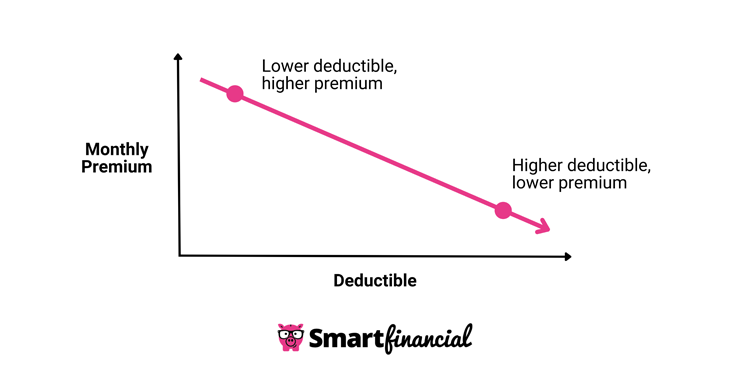
Similarly, your deductible amount will affect your premium, as it indicates how much you’re willing to pay out of pocket when making a claim and how much responsibility you’re placing on the insurer. Typically, you can reduce your rates by raising your deductible amount, although you should be careful not to raise it beyond what you’re capable of paying out of pocket after a loss.
Claims History
Contractors with a history of claims are more likely to have higher premiums, as this indicates a risk of having additional claims in the future. By keeping your claims record clean, you can help lower your premium costs.
Business Location
Certain states may require higher coverage limits than others or additional policies, which can increase your costs. Additionally, you may incur higher labor costs when managing local labor in your business area, as well as higher equipment and material costs due to local availability, all of which could result in higher insurance costs under your policies.
Contractor Insurance Requirements by State
Insurance requirements for contractors vary by state. For example, most states mandate workers compensation for businesses with employees, and some require general liability for a contractor to be licensed. Check with your state's licensing board for specific rules on the insurance policies you’re required to have.
Common contractor state requirements for insurance include:[6][10]
| Requirement | Common State Rules |
| Workers compensation | Required in most states if you have employees |
| General liability | Often required for contractor licensing |
| Commercial auto | Required if business-owned vehicles are used |
| Surety bonds | Required in some states for certain contractor licenses |
Subcontractor Liability Insurance Requirements
When working as a general contractor looking to engage subcontractors for a project, it’s essential to verify that they have adequate insurance coverage. Subcontractors without coverage could add risk of leaving you responsible for covering injuries they’re liable for.
How To Verify Subcontractor Coverage
You can verify that your subcontractors are insured by requesting certificates of insurance as proof of coverage before they begin work. When reviewing their certificates of insurance, ensure that their policy and coverage dates align with the project they’re being hired for.
Risks of Hiring Uninsured Subcontractors
Hiring an uninsured subcontractor may leave your business liable for injuries or damages they cause while working on a project, leaving you responsible for paying for lawsuits and potentially facing increased premiums. Even if you’re only hiring a subcontractor for a short project, you’re taking on a potential liability risk if you don’t ensure they have the necessary coverage.
Additional Insureds and Certificate Holders
Contractors may encounter the terms “additional insureds” and “certificate holders” when reviewing contracts. These terms refer to different individuals involved in a project, either someone being added to existing coverage or someone reviewing the validity of a contractor’s coverage:[11]
- Additional insured: An individual, such as a project owner or general contractor, who is added to your insurance policy and gains coverage under it.
- Certificate holder: A party who receives proof of your insurance but is not covered by your policy.
How To Get a Certificate of Insurance
You can request a certificate of insurance (COI) directly from your insurer, and many insurers can provide one within one business day. However, some insurers may take several days or weeks to provide a COI, so ensure you request one as soon as you need to.[3] Contractors should consider using an insurance marketplace like SmartFinancial to help connect with carriers who issue COIs quickly.
Insurance Needs by Contractor Trade
Depending on your contracting trade, you may have different insurance needs. Ensure you review which policies may be necessary, otherwise you may be left vulnerable in the event that you face damages, injuries or a financial loss.
General Contractors
General contractors may face a broad range of coverage needs and should consider general liability, commercial property, umbrella insurance and workers compensation. They should also ensure that they review the insurance of any subcontractors, or they could face increased risk.
Roofers
Roofing is considered a high-risk trade, with more fatalities than in most other professions, meaning roofers may face higher general liability premiums. Most roofing accidents result from slips and falls from ladders, so taking extra care with safety during projects can help reduce the risk of an injury claim.[9]
Electricians
Electricians should consider purchasing general liability insurance if a third party is injured during work, such as being electrocuted by a stray wire. They should also consider professional liability insurance to protect them against potential lawsuits, such as those arising from electrical fires that damage a client’s home due to faulty wiring.
Plumbers
Plumbers may face lawsuits over water damage claims after performing a job, so they should ensure they have general liability insurance for coverage over completed projects. Additionally, they may want to purchase E&O insurance to protect against errors in pipework. Otherwise, they may have to pay damages out of pocket.
HVAC Contractors
HVAC contractors regularly transport expensive equipment to and from job sites, meaning they should consider both inland marine coverage to protect their equipment and commercial auto to protect against accidents while driving on the job. HVAC contractors should also purchase professional liability insurance if they offer consulting services to clients.
Painters
Painters should consider general liability insurance to cover potential damage to a client’s home or business during work, such as overspray that marks expensive artwork or damages electronics. Painters may also need to consider commercial auto insurance if they drive between job sites.
Handymen
Handymen often work as independent contractors and will need to purchase insurance policies relevant to the jobs they typically take on. General liability and E&O insurance may be beneficial to handymen.
Contractor Insurance by Business Size
Depending on the size of your business, your insurance needs may differ. Generally, the larger the business grows, the greater your needs for substantial coverage.
Small and Independent Contractors
Small and independent contractors typically begin with general liability policies for baseline protection. As they add employees, workers compensation will also become necessary.
Medium-Sized Contractors
Medium-sized contractors may have greater insurance needs than smaller contracting businesses. For example, if you purchase a company vehicle to help transport equipment, you should add commercial auto insurance and inland marine and equipment coverage.
Large Contractor Businesses
Large contractors who take on bigger projects will need higher coverage limits to account for more expensive risks if damages or injuries occur, and should consider adding umbrella coverage alongside professional liability insurance to their commercial policy suite. Working with an insurance broker may help these businesses determine what insurance policies meet their more complex needs.
How To Get Contractor Insurance
There are several ways a contractor can purchase necessary insurance. Regardless of the method you choose, always compare quotes from different sources and insurers to help you find the best rates.
Online Insurance Marketplaces
You can utilize an online insurance marketplace like SmartFinancial to help you compare quotes from several insurers at once. This option can be a convenient way to quickly compare multiple insurers.
Insurance Brokers
You can work with an independent insurance broker who works with numerous insurance companies. Insurance brokers can often work directly with contractors to help them navigate their specific insurance needs.
Individual Insurance Carriers
You can contact individual insurance carriers directly to gather quotes. However, using this method often means you’ll need to gather quotes from each insurer one at a time to compare.
How To Compare Contractor Insurance Quotes
Looking at the monthly premium isn’t the only aspect when comparing contractor insurance quotes – you’ll also need to consider factors like coverage limits, exclusions and more. Keep the following factors in mind when reviewing your insurance options while gathering quotes:
- Coverage limits: High coverage limits may increase premiums, but they may be necessary given the cost of a potential claim on a contract job.
- Deductibles: Raising your deductible can help lower your premium, but ensure you balance it with how much you’re willing to pay out of pocket when making a claim.
- Exclusions: Understand what the policy does not cover to avoid surprises and out-of-pocket payments for damages.
- Carrier reputation: Some insurers may have a higher rate of claim denials, so it's important to consider that when shopping around.
- Bundling discounts: Insurance carriers may offer discounts when you bundle multiple policies, helping you save on costs.
Using SmartFinancial's comparison tool can help contractors evaluate multiple quotes side by side to make an informed decision while considering these important factors.
Tips To Save on Contractor Insurance
Below, we’ll cover a few ways you can try to save on contractor insurance premiums.
Bundle Multiple Policies
Bundling multiple policies from the same insurer can often result in a discount. For example, purchasing a business owners policy (BOP), which bundles general liability, commercial property and business interruption, can often reduce your overall insurance costs.
Maintain a Clean Safety Record
Ensure you and your employees are trained in safety to reduce the risk of a claim. Avoiding the need to make a claim in the first place can help keep your premiums from increasing, and may even help lower your premiums over time.
Choose Higher Deductibles
Higher deductibles can help you lower your premiums, as you’re opting to take on more financial responsibility when making a claim. However, avoid making your deductible amount higher than you can manage out of pocket. Otherwise, you may unintentionally burden your finances when you do need to make a claim.
Review Coverage Annually
Your coverage needs may change over time as you take on more work and grow your contracting business, so be sure to review your coverage needs annually. Taking the time to shop around regularly may also help you get better rates, even if you’re happy with your coverage selection.
Contractors Insurance at a Glance
Below are the essential things you should know about contractors insurance:
- Contractors insurance refers to several insurance policies used by different tradespeople to protect against damages, injuries and lawsuits, including general liability, commercial property, errors and omissions, workers compensation and more.
- Contractors insurance is required for general contractors, subcontractors and independent contractors, with some types of insurance required by law or client contract agreements.
- Contractors insurance costs will vary based on the policies you need. However, you can often get a discount on your insurance by bundling multiple policies, such as in a business owners policy (BOP).
- Larger contractor businesses with higher payrolls and more expensive projects often pay more for insurance than smaller contractors because they pose a greater risk of making a claim.
- Your insurance needs may vary based on the type of contracting work you do, so it’s important to review your coverage needs.
Protect Your Contracting Business With the Right Coverage
Ensuring you have the right coverage for your contracting business can help you avoid financial headaches caused by accidents, lawsuits and property damage. By comparing quotes between three to five different insurers, you can get a better understanding of your insurance options and what the most affordable rates are. Consider using an insurance marketplace like SmartFinancial to help speed up this process. Click here for free commercial insurance quotes today!
- Insurance quotes /
- Commercial /
- Contractors Insurance
Preston Micalizio writes insurance content for SmartFinancial. He brings three years of professional experience writing in various industries, from higher education to e-commerce. He strives to engage with the audience, provide accurate reporting and make complex subjects easily digestible.


Get a Free Commercial Insurance Quote.
More on Commercial Insurance

Looking for Commercial Insurance?
Compare rates from dozens of companies in less than 3 minutes.