

LLC Insurance: Requirements, Costs and Coverage Explained
 Written by Dylan Tate Written by Dylan Tate Dylan TateDylan Tate is an insurance content expert for SmartFinancial with over 300 articles about home, auto, business, health a... Read more |  Edited by Richard Murphy Edited by Richard MurphyRichard MurphyRichard Murphy manages content on SmartFinancial's website. With a strong background in content strategy and copywriting... Read more |
 Editorial Standards
 SmartFinancial Offers Unbiased, Fact-based Information. Our fact-checked articles are intended to educate insurance shoppers so they can make the right buying decisions. Learn More
Depending on how they operate, limited liability companies may be required to carry commercial auto and workers’ compensation insurance. They should also consider other business insurance coverages, such as general liability, professional liability and commercial property insurance. LLC insurance premiums may vary based on factors like the LLC’s industry, size and claims history, and it’s important to shop around to find the best deal possible.
Keep reading to learn more about LLC business insurance, including what kinds of losses your policy may cover and how you can find the best coverage for your business.
|
Key Takeaways
|
On This Page

What Is LLC Insurance?
Does Your LLC Need Business Insurance?
Types of Business Insurance for an LLC
How Much Does LLC Insurance Cost?
How To Get Business Insurance for Your LLC
Tips To Save On LLC Business Insurance
Does a Single-Member LLC Need Insurance?
LLC Insurance at a Glance
Compare LLC Insurance Quotes With SmartFinancial
Frequently Asked Questions About LLC Insurance

What Is LLC Insurance?
There is no single insurance product known as LLC insurance — instead, the term refers to a collection of commercial insurance coverages designed to address the risks faced by a typical limited liability company. While the LLC business structure already protects your personal assets, purchasing commercial insurance creates a second layer of protection for your business assets.
| Type of Protection | Explanation |
| LLC structure protection | Prevents your personal assets from being seized to pay off business debts in most situations |
| Commercial insurance protection | Covers medical treatments, property repairs, legal fees and potentially other expenses to prevent major financial losses that could jeopardize your commercial assets |
LLCs are similar to corporations in that their owners’ personal assets are shielded from business-related liability claims. However, LLCs don’t have to pay corporate income taxes — so business profits are only taxed once on the LLC members’ individual tax returns. Conversely, sole proprietors aren’t legally distinct from their businesses, meaning a claim against a sole proprietorship could affect the owner’s commercial and personal assets.[1]
Does Your LLC Need Business Insurance?
Commercial insurance is not always required by law for LLC members, but insurance coverage often provides indispensable protection even when it is technically optional. Continue reading to see why LLC insurance is so important and when you may need business insurance for your LLC.
Why LLC Protection Has Limits
Although assets like your home and personal bank accounts are generally protected by the LLC structure, there are situations when a judge may rule to “pierce the corporate veil” and hold you personally liable for your company’s debts. This usually occurs if you use your LLC to commit fraud or conduct business activities in a way that benefits your personal interests so that the distinction between you and your LLC ceases to be relevant.[1]
Additionally, if you sign a personal guarantee to obtain a business loan, the lender may be able to sidestep your LLC protections in the event that your business defaults on the loan. Finally, you may be held personally liable for professional negligence and tort claims related to your business activities, leaving you open to the possibility of significant financial hardship if you don’t have a robust commercial insurance policy.[2]
When Business Insurance Is Required
You may be required to purchase commercial insurance for your LLC in the following situations:[3][4][5]
- Legal compliance: Workers’ compensation insurance is required by law for most LLCs with employees, while commercial auto insurance is mandatory for LLCs that use vehicles to conduct business activities in most states.
- Professional licensing: Depending on your state and industry, you may need commercial insurance to secure a business license. For example, commercial liability insurance is often a prerequisite for professionals who want to obtain a real estate license.
- Rental agreements: If you rent an office space or any other type of property for your business, your landlord may request proof of insurance coverage to verify that you can remain financially stable and keep making rent payments in the event of a sudden peril or liability claim.
- Client contracts: Professional services firms or contractors looking to secure work with a government agency or other client may need to maintain various types of insurance to meet the conditions laid out in the client contract.
Types of Business Insurance for an LLC
See the following sections to learn about the most important types of commercial insurance that you need to consider buying for your LLC.
General Liability Insurance
General liability insurance is one of the most important and foundational types of coverage for an LLC, as it addresses some of the most common risks many businesses face. Specifically, a general liability insurance policy can cover medical expenses and repair bills if a guest experiences an injury on your business premises or you are held liable for damage to their property.
If a bodily injury or property damage claim escalates into a lawsuit, your general liability insurance can cover your legal costs, like attorney fees, settlements and court-ordered damages. This legal expense coverage also applies if you are sued over a personal and advertising injury claim, such as defamation or copyright infringement in your marketing materials.
Professional Liability Insurance
Professional liability insurance — also known as errors and omissions insurance — can cover your legal expenses if you are accused of negligence, breach of contract, misrepresentation or some other mistake or failure in the performance of your professional duties. This coverage type is crucial for businesses that provide advice or professional services rather than creating or selling products, including those in the consulting, accounting and legal services industries.
Commercial Property Insurance
Commercial property insurance protects your commercial buildings against damage from a wide array of sudden perils, such as fires, storms and vandalism. It can also help you pay to repair or replace the items you keep inside your commercial buildings — such as equipment, electronics, furniture and inventory — if they are unexpectedly damaged, destroyed or stolen.
Business Owners Policy
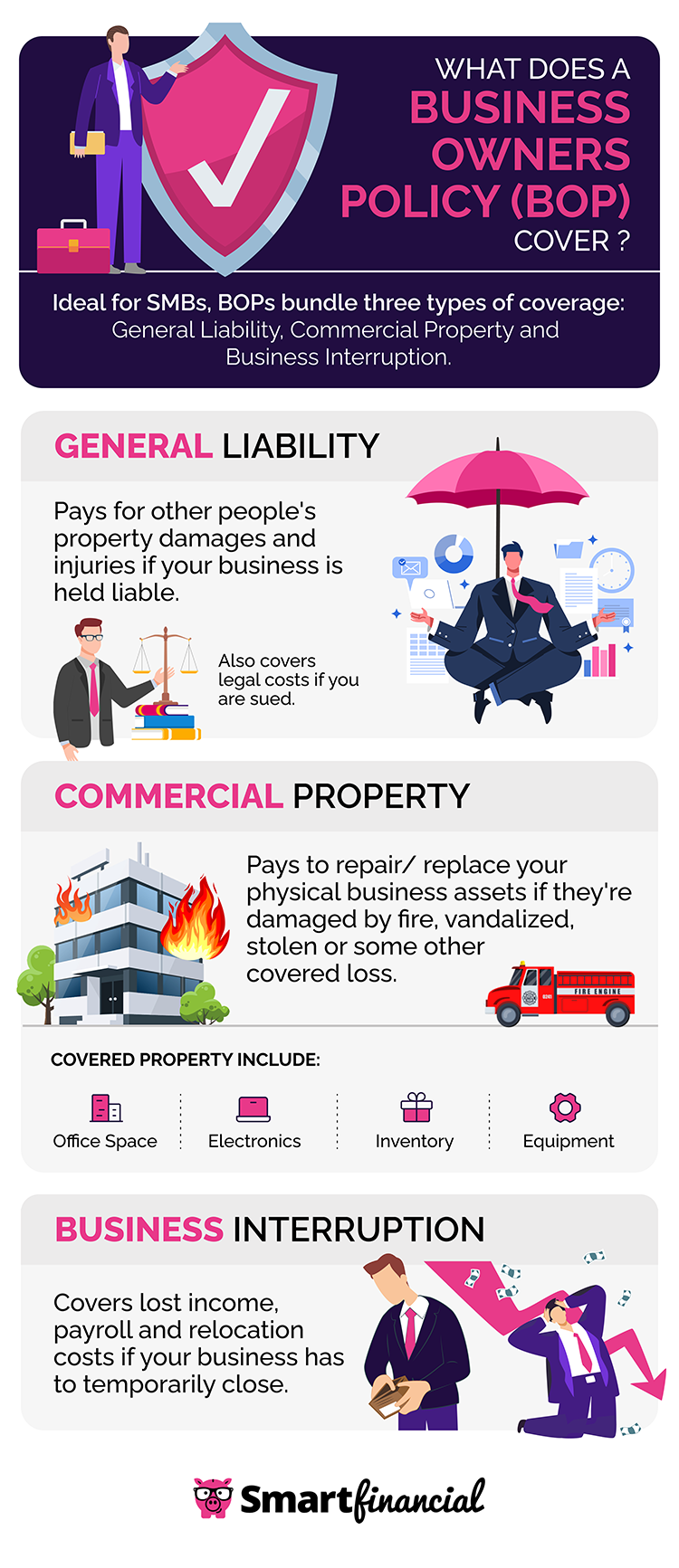
A business owners policy is an insurance package that bundles general liability, commercial property and business interruption insurance together at a discounted rate. Business interruption insurance covers expenses like payroll, lost revenue and temporary relocation costs if a covered peril keeps your business from operating normally. Keep in mind that BOPs are best suited for low-risk small businesses with standard coverage needs.[6]
Workers’ Compensation Insurance
If one of your employees becomes sick or is injured while working, your workers’ compensation insurance can cover their medical and rehabilitation costs, lost wages and disability payouts — along with death benefits for the employee’s beneficiaries if they die. In addition, most workers’ compensation policies include employer’s liability coverage to pay for your legal expenses if you are sued by a sick or injured employee.
Cyber Liability Insurance
Cyber insurance is necessary to cover the various expenses that may arise if your business experiences a data breach or some other cybercrime. It may include both third-party coverage for litigation expenses or other liability-related costs and first-party coverage for your LLC’s own expenses, such as investigation, crisis management, data recovery and regulatory fines.
Commercial Auto Insurance
A standard commercial auto insurance policy typically includes liability insurance to cover other people’s expenses and physical damage coverage for your company’s own vehicle repairs in the event of a commercial vehicle accident. Other coverages worth considering include hired and non-owned auto, medical payments and uninsured and underinsured motorist coverage.
How Much Does LLC Insurance Cost?
LLC members can often expect to pay several thousand dollars per year for commercial insurance, but the cost of your policy will ultimately depend on a variety of different factors, including the coverage types included in the policy and the level of risk associated with your business.
Average Cost by Coverage Type
To get an idea of how much you could have to pay for an LLC insurance policy, see the following table, which goes over the average cost range for some of the most common types of business insurance:[7]
|
Coverage Type |
Average Annual Cost |
Best For |
|
General liability |
$500 to $1,200 |
Any LLC |
|
Professional liability |
$4,000 to $15,000 |
LLCs that provide professional services |
|
Commercial property |
$800 to $5,000 |
LLCs with physical assets |
|
BOP |
$500 to $3,000 |
Small and midsize LLCs that have a physical location or valuable business equipment |
|
Workers’ compensation |
$1,000 to $2,500 |
LLCs with employees |
|
Cyber liability |
$1,500 to $4,800 |
LLCs that store sensitive data in digital databases |
|
Commercial auto |
$1,500 to $7,000 |
LLCs with vehicles |
Factors That Affect Pricing
When calculating your LLC’s insurance premiums, a commercial insurance company will generally take the following factors into account:[7]
- Industry: The type of work you do significantly impacts the risks your LLC faces on a regular basis, so certain types of coverage may be more expensive for certain industries. For example, a software developer will likely pay less than a trucking company for commercial auto insurance but may have to pay more for errors and omissions coverage.
- Size: Businesses with more locations, revenue and employees generally have a higher exposure to third-party liability and workers’ compensation claims and may require higher commercial insurance coverage limits, leading to more expensive premiums.
- Business history: Insurers consider your claims history when setting rates because companies that have filed multiple commercial insurance claims in the past are generally considered more likely to file additional claims going forward. Your insurance carrier may also consider other details about your LLC when establishing your risk profile, such as how long you have been in business.
- Location: Various location-based factors can impact your commercial insurance costs, including state and local regulations, population density and the frequency of covered losses — like crimes or natural disasters — in your area.
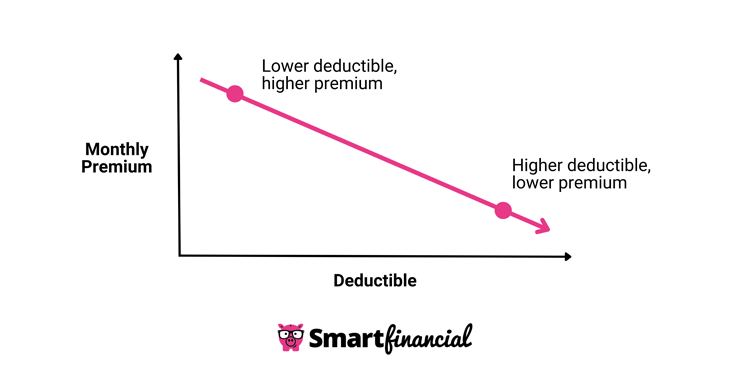
- Policy details: Your policy’s coverage types, limits and deductibles will all play a role in influencing the cost of the policy, with more coverage types, higher limits and lower deductibles all leading to costlier insurance policies.
How To Get Business Insurance for Your LLC
Follow this step-by-step process to purchase the right insurance for your LLC.
Assess Your Business Risks
Identify the potential risks facing your business based on factors like your industry, your location and the services you offer. Think about what could go wrong in your daily operations, such as customer injuries on your business premises, contract disputes with clients, property damage from a fire or a data breach exposing customer information. Also, consider the value of your LLC’s assets and what you could stand to lose in the event of a costly claim.
Determine Required and Recommended Coverages
Check your state’s insurance requirements for businesses in your industry to make sure any policy you purchase helps you remain compliant. Similarly, go over your commercial lease agreements and client contracts to make sure you buy the insurance coverages they demand. Of course, you still need several types of insurance even when they aren’t mandatory, so be sure to look into the lineup of coverages recommended for your industry.
Gather Your Business Information
Insurers will need specific details in order to provide you with accurate quotes for your LLC. Have the following information at the ready before searching for insurance policies:
- Name, address and formation date of your LLC
- Industry classification and a detailed description of your services
- Employee headcount and total annual payroll
- Annual revenue (or projected revenue for new businesses)
- Details about your business property, equipment or vehicles
- Information about your claims history and any current insurance policies you have
Get Quotes From Multiple Providers
Business insurance companies each have their own unique formulas for analyzing risk and calculating insurance premiums, which means two different carriers could offer you two different rates for the same coverage. As a result, it’s a good idea to compare quotes from at least three to five different insurers to confirm that you’re getting the coverage you need at the lowest possible price.
Compare Coverage and Pricing
When comparing quotes from different insurance companies, it’s crucial to look beyond just the price of each policy. Instead, take a look at details like their coverage limits, deductibles and exclusions to determine whether they offer an appropriate level of coverage. It can also be helpful to look up insurers’ financial strength ratings and customer service reviews to verify whether they are reliable.
Purchase Your Policy
Once you’ve settled on the right policy for your LLC, you can fill out and submit your application and — once you are approved — pay your first premium to activate your coverage. In many cases, you can buy your policy online with coverage beginning immediately upon underwriting approval, providing instant protection for your LLC. Be sure to request a free certificate of insurance in case a customer or client asks for proof of coverage.
Tips To Save On LLC Business Insurance
You can lower your LLC insurance premiums without sacrificing necessary coverage by following these practical tips:
- Bundle policies: It is often cheaper to buy a business owners policy or a similar insurance bundle than to purchase each of the included coverage types separately.
- Increase deductibles: Raising your policies’ deductibles will lead to lower premiums, but you need to make sure you have enough money on hand to cover the deductible you select in the event of a claim.
- Maintain a clean claims history: LLCs that go an extended period of time without filing any or many claims are often viewed as a lower risk to insure and can expect cheaper insurance rates as a result.
- Review coverage annually: As your business grows or changes, you may need to adjust your policies to ensure they still adequately meet your coverage needs. This could involve dropping coverages you no longer need to avoid paying more for insurance than is necessary.
- Compare quotes regularly: While it may be more convenient to remain with the same insurer indefinitely, you may be missing out on potential savings if you don’t shop around whenever your policies come up for renewal.
- Ask about discounts: There may be various discount opportunities that can help you reduce insurance costs for your LLC. For example, you may be able to save money by paying your premium in full at the start of the coverage period or by implementing safety programs and other risk management solutions.
Does a Single-Member LLC Need Insurance?
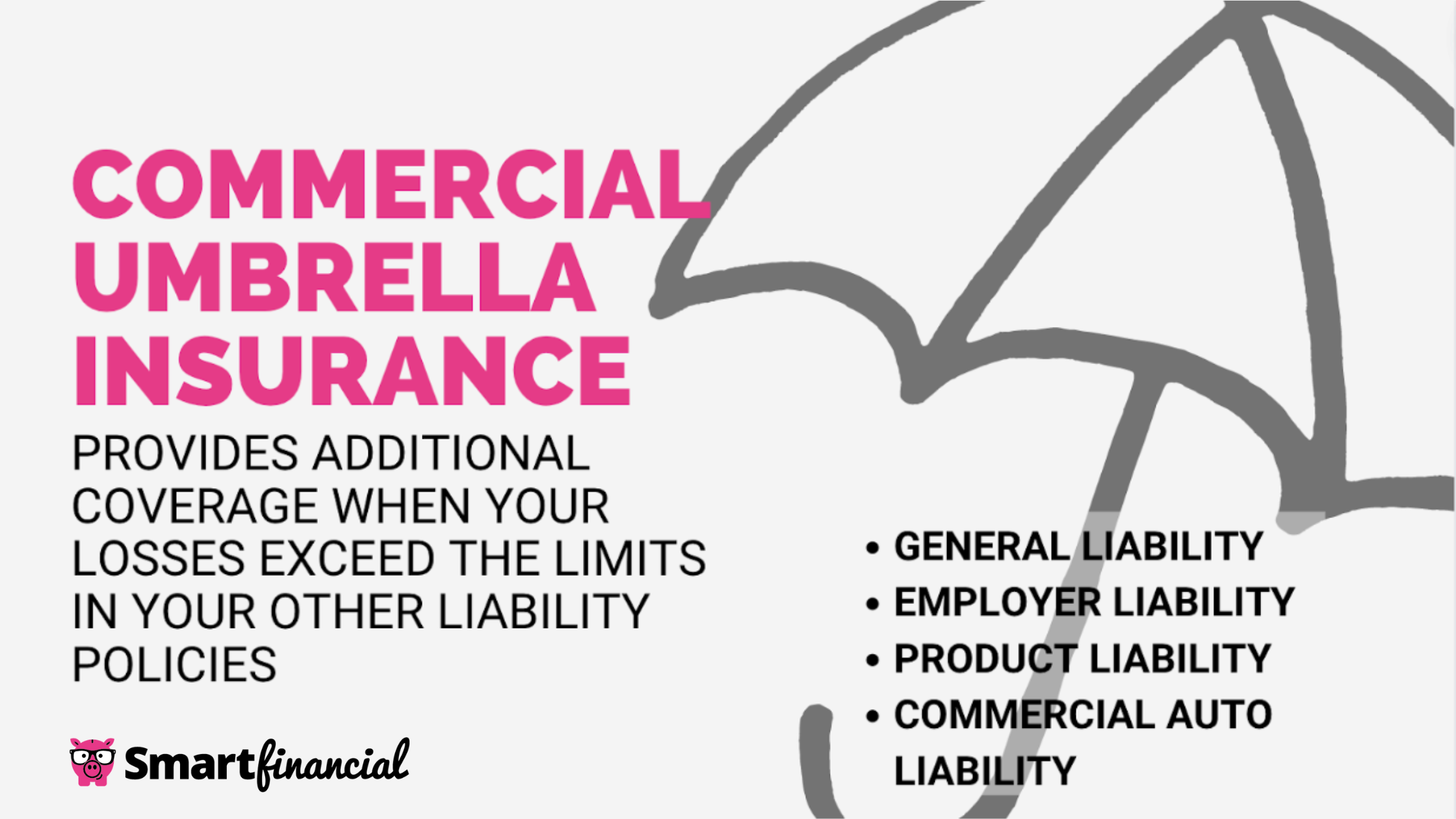
Commercial insurance may be necessary for single-member LLCs to comply with contractual obligations or legal requirements in certain cases. In addition, a single LLC member may be at greater risk if the corporate veil is pierced, as that individual will bear full responsibility for paying any relevant debts. As a result, single-member LLCs may want to invest in commercial umbrella insurance to secure broad protection against costly liability claims.
LLC Insurance at a Glance
- Definition: LLC insurance is not a singular insurance product, but instead the term refers to a collection of commercial insurance coverages that can protect against the various risks faced by limited liability companies.
- Protection: While the LLC structure protects your personal assets by establishing your business as a separate entity, you still need commercial insurance to protect your business assets and to shield your personal assets in situations where the corporate veil is pierced.
- Requirements: Most LLCs are required to maintain commercial auto and workers’ compensation insurance, and other coverages may be necessary to secure a business license, client contract or property rental.
- Coverage: Commercial coverage types most LLCs should consider include general liability, commercial property, professional liability and cyber insurance. Small and midsize LLCs can often bundle basic coverages together into one affordable package known as a business owners policy.
- Costs: The average cost of a commercial insurance policy can vary substantially, depending on factors like your LLC’s industry, size, location, claims history and policy details. In general, you can expect to pay at least a few thousand dollars per year for comprehensive insurance protection.
- Savings: Some of the best ways to secure lower LLC insurance rates include raising your deductibles, looking into discount opportunities and comparing quotes from multiple insurance carriers.
Compare LLC Insurance Quotes With SmartFinancial
For a straightforward insurance comparison shopping experience, consider using an online marketplace platform like SmartFinancial. After filling out a single form to let us know about your coverage needs, we’ll connect you with an agent who can help you compare different options from multiple licensed insurance providers. Start comparing business insurance quotes for your LLC for free today!
- Insurance quotes /
- Commercial /
- Business Insurance For Llc
Dylan Tate is an insurance content expert for SmartFinancial with over 300 articles about home, auto, business, health and life insurance under his belt. He has over nine years of experience writing for online publications, primarily about gaming and esports. In the process, he has become an expert in search engine optimization, news reporting, feature writing and copy editing.


Get a Free Commercial Insurance Quote.
More on Commercial Insurance

Looking for Commercial Insurance?
Compare rates from dozens of companies in less than 3 minutes.