

Does Health Insurance Cover Preexisting Conditions?
 Written by Dylan Tate Written by Dylan Tate Dylan TateDylan Tate is an insurance content expert for SmartFinancial with over 300 articles about home, auto, business, health a... Read more |  Edited by Richard Murphy Edited by Richard MurphyRichard MurphyRichard Murphy manages content on SmartFinancial's website. With a strong background in content strategy and copywriting... Read more |
 Editorial Standards
 SmartFinancial Offers Unbiased, Fact-based Information. Our fact-checked articles are intended to educate insurance shoppers so they can make the right buying decisions. Learn More
Under the Affordable Care Act (ACA), almost all health insurance companies are required to insure individuals with preexisting conditions and cover treatments related to those conditions without charging higher premiums. That said, your health insurance may not cover preexisting conditions if you have a grandfathered plan or a type of coverage that isn’t regulated by the ACA.
Continue reading to learn more about preexisting conditions and health insurance, including what types of health plans may make the most sense if you already have a serious disease or injury.
|
Key Takeaways
|


What Is a Preexisting Condition?
In the context of health insurance, a preexisting condition is an illness, injury or other circumstance necessitating medical attention that someone has before their health plan takes effect.[1] For example, if an uninsured individual is diagnosed with diabetes and decides to purchase health insurance to help cover their medical costs, their diabetes would be considered a preexisting condition.
Preexisting conditions are relevant for health insurance providers because they may be predictors of future health care spending. For example, a health insurance company may expect to spend more on treatments for someone with a known illness or injury than for someone who has only enrolled in a health plan as a precaution.
How Are Preexisting Conditions Determined?
Usually, an individual must be actively experiencing a certain health problem for it to qualify as a preexisting condition. That said, some insurance companies may consider a healthy person to have a preexisting condition if they were previously treated for a serious disease, such as a cancer with a high recurrence rate.[2]
Examples of Preexisting Conditions
Preexisting conditions are generally significant chronic illnesses, but the term can also refer to comparatively minor physical and mental ailments or other factors that impact your health. Examples of common preexisting conditions include the following:[2][3][4]
| Heart disease | Cancer | Diabetes |
| Asthma | High blood pressure | Arthritis |
|
High cholesterol |
||
| Acne | AIDS/HIV | Epilepsy |
| Pregnancy | Lupus | Depression |
| Anxiety | Sleep apnea |
Does Health Insurance Cover Preexisting Conditions?
Nearly all ACA-compliant health insurance plans are required by law to cover health care related to the treatment of existing conditions.[5] The main exception is individual grandfathered plans — that is, plans purchased before the ACA was signed into law on March 23, 2010. If you have not changed health plans since 2010 or earlier, your insurance carrier may not be required to cover care for chronic conditions you have had since before you joined your plan.[1]
What Types of Health Insurance Cover Preexisting Conditions?
All major medical insurance plans regulated by the federal government — except for grandfathered plans — must offer coverage for preexisting conditions.[1] Examples of ACA-compliant health insurance include the following:[6]
- Marketplace health insurance
- Most off-Marketplace plans from private insurers
- Medicare
- Medicaid
- Children’s Health Insurance Program (CHIP)
- University-sponsored student health insurance
- Employer-sponsored group health insurance
- TRICARE
- Small Business Health Options Program (SHOP) insurance
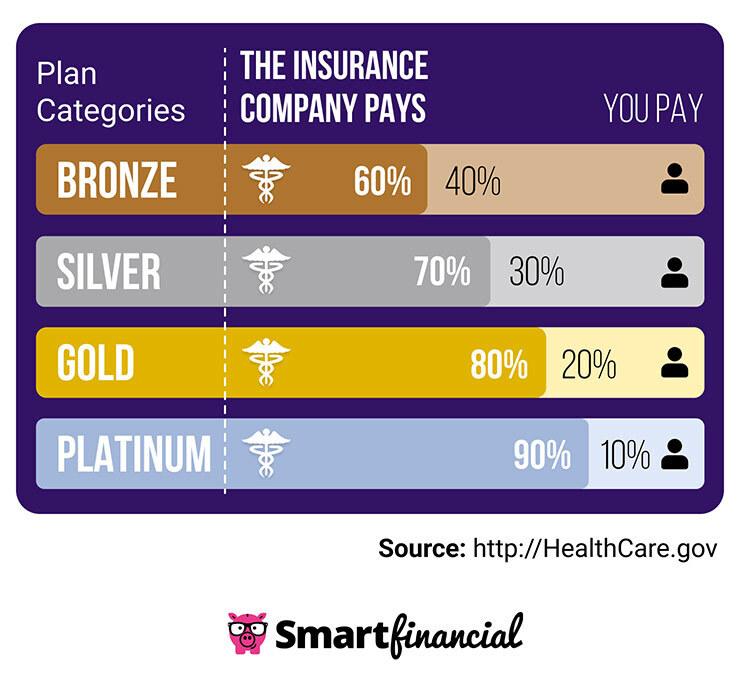
If you have a preexisting condition and are shopping for coverage on the Health Insurance Marketplace, you may want to consider enrolling in a gold or platinum plan. While plans in this tier typically have high premiums, they don’t require you to pay as much in deductibles, copays or coinsurance when you receive care, which may be advantageous if you need regular treatments for your condition.[7]
Can I Be Denied Health Insurance if I Have a Preexisting Condition?
ACA-compliant health insurance companies cannot deny coverage to someone due to their preexisting condition, nor can they require them to pay a higher monthly premium. In addition, your rates can’t go up based on your health status or health care usage after you join a plan.[5] This separates health coverage from many other types of insurance — like home and auto — which may be more expensive if your insurer views you as a high risk to file a claim.
How To Get Health Coverage for Preexisting Conditions
Though it’s not hard to find a health plan that will cover preexisting conditions, you should compare quotes from at least three to five different insurance companies to find the most affordable option available. Unfortunately, it can be complicated and time-consuming to collect and parse through multiple insurance quotes.
For the simplest process possible, you should shop through SmartFinancial. All you have to do is answer a few questions about the type of coverage you need, and then we’ll connect you with agents who are prepared to help you find the best health plan considering your budget and circumstances. Start your online questionnaire and compare health insurance quotes for free today!
- Insurance quotes /
- Health /
- Does Health Insurance Cover Preexisting Conditions
Dylan Tate is an insurance content expert for SmartFinancial with over 300 articles about home, auto, business, health and life insurance under his belt. He has over nine years of experience writing for online publications, primarily about gaming and esports. In the process, he has become an expert in search engine optimization, news reporting, feature writing and copy editing.


Get a Free Health Insurance Quote Online Now.
More on Health Insurance

Looking for Health Insurance?
Compare rates from dozens of companies in less than 3 minutes.