

Do I Need Flood Insurance if I Live in Texas?
 Written by Preston Micalizio Written by Preston Micalizio Preston MicalizioPreston Micalizio writes insurance content for SmartFinancial. He brings three years of professional experience writing ... Read more |  Edited by Richard Murphy Edited by Richard MurphyRichard MurphyRichard Murphy manages content on SmartFinancial's website. With a strong background in content strategy and copywriting... Read more |
 Editorial Standards
 SmartFinancial Offers Unbiased, Fact-based Information. Our fact-checked articles are intended to educate insurance shoppers so they can make the right buying decisions. Learn More
Texans may be required to have flood insurance if they live in an area designated as high-risk for flooding and currently have a federally backed mortgage. However, this natural disaster is common in many parts of Texas, and even those with a low flood risk may want to consider purchasing flood coverage to avoid excessive financial hardship if a flood damages their home and personal property.
Keep reading to learn more about flood insurance in Texas, including what it typically covers, how to file a claim and expected Texas flood insurance premium costs.
|
Key Takeaways
|


Is Flood Insurance Required in Texas?
While not required by Texas state law, flood insurance may be mandatory if your home meets the following criteria:[1]
- You live in a Special Flood Hazard Area (SFHA). These are zones with a higher risk of flooding in a given year. They are typically labeled with the letters A and V.
- You have a federally backed mortgage loan. These are loans guaranteed by federal government agencies, such as the Federal Housing Administration (FHA), the U.S. Department of Agriculture (USDA) or the Department of Veterans Affairs (VA).[2]
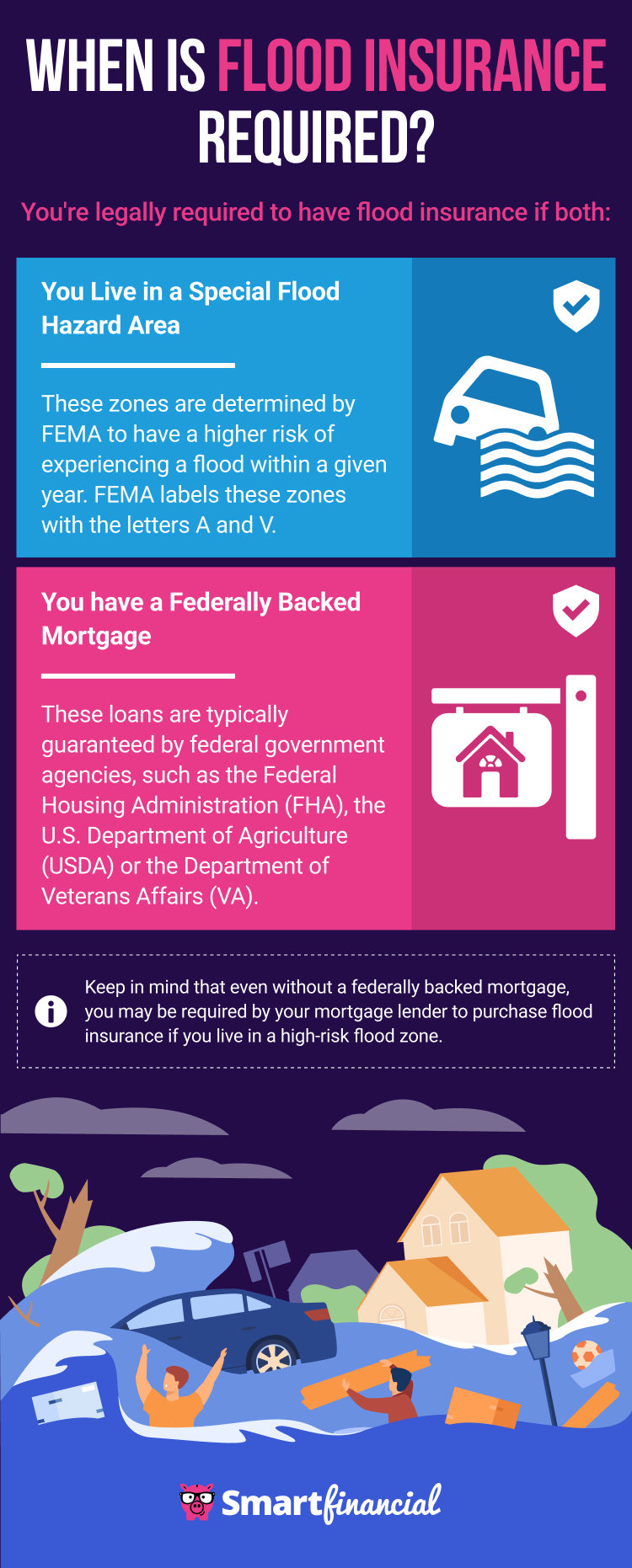
Even without a federally backed loan, a mortgage lender may still require you to purchase flood insurance if you live in a high-risk flood area.[3] Additionally, residents in moderate- or low-risk zones may still want to consider purchasing flood insurance, as these areas account for about 40% of all flood claims.[4] Standard homeowners insurance policies don’t typically cover flood damage, and the average flood claim can reach more than $43,000 — making coverage worth considering to avoid significant out-of-pocket expenses.[5]
SFHA Flood Zones in Texas
Below, we break down the differences between special flood hazard areas (SFHAs) and non-SFHA flood zones in Texas:[6]
|
|
Affected Zones |
Flood Risk |
Flood Insurance Required? |
|---|---|---|---|
|
Special Flood Hazard Areas |
Zones with letters A or V |
High risk of flooding, with a 1% or higher annual chance of being flooded |
Flood insurance is required with mortgages from federally regulated or insured lenders |
|
Non-Special Flood Hazard Areas |
Zones with letters B, C or X |
Moderate- to low-risk of flooding, with a less than 1% chance of flooding in any given year |
Flood insurance isn't federally required but still recommended |
You can use FEMA’s flood map website to determine your flood zone and whether you should consider flood insurance in Texas.[7] Keep in mind that flood zones can change over time, so even if your area previously had a low- or moderate-risk of flooding, you may now be at higher risk.
How Does Flood Insurance in Texas Work?
After experiencing damage related to a flood, you’ll want to contact your insurance company to make a claim. The sooner you do so, the better, as delaying may slow the process. You’ll typically then meet with a claims adjuster, who will inspect your property and document the damage.
Afterward, your insurance company and adjuster will provide an estimate of the claim, up to your coverage limits and accounting for your deductible. If the estimate doesn’t appear sufficient to cover the total damages, you can continue working with your adjuster to reach a better amount or file an appeal. Once the claim amount is approved, you’ll receive a check for the settlement or it may be sent directly to your mortgage company.[8]
What Does Texas Flood Insurance Cover?
Flood insurance is only triggered under specific circumstances, and does not include all forms of water damage. For example, flood damage is typically caused by:[5]
- Storm surges resulting from an overflow of inland water or tides
- Flash floods resulting from surface water runoff or buildup
- Mudflows or a river of mud that flows across normally dry land
If these specific events cause the damage, your claim will likely be covered for building and personal property damages — if you’ve chosen both coverages, or one if you’ve only selected a single type. Building coverage from an NFIP or private flood policy protects your dwelling structure, foundation and the following:[9]
- Detached garage
- Electrical and plumbing systems
- HVAC, furnaces and water heaters
- Built-in kitchen appliances
- Carpeting
- Paneling, wallboard, bookcases and cabinets
- Debris removal
Similar to a standard home insurance policy, flood insurance also protects several of your personal belongings, including:[9]
- Electronics
- Furniture
- Some kitchen appliances (e.g., microwave ovens, portable dishwashers, freezers)
- Food inside your freezer
- Clothes
- Washers and dryers
- Some valuables (e.g., artwork)
What Isn't Covered?
Flood insurance typically does not cover the following:[9]
- Damage caused by mold or moisture that is unrelated to flooding
- Damage from the earth movement, such as a landslide, even if it was the result of a flood
- Financial loss from business interruption if you work from home
- Property located outside the home, such as patio furniture, trees or swimming pools
- Metals, papers and currencies
- Vehicles (which may be covered by comprehensive coverage under your auto policy)
- Damage beyond your coverage limits (discussed below)
Keep in mind that while private flood insurance may cover living expenses during the repair of your home, flood insurance offered through the NFIP will not.[5][9]
How Much Does Flood Insurance Cost in Texas?
Texans can expect to pay about $700 per year, on average, for a flood insurance policy from the National Flood Insurance Program (NFIP). This coverage typically includes:[5]
- Up to $250,000 of coverage for your dwelling, including appliances, plumbing and debris removal
- Up to $100,000 of coverage for personal property
- Up to $30,000 of coverage for increased cost of compliance, which pays for expenses required to meet state and local regulations for repair or construction after flood damage
For higher coverage limits, you may need to purchase excess flood insurance from a private insurer.[5] For standalone policies, private insurance companies may offer cheaper rates, but this depends on factors such as your home’s flood risk. For example, your flood insurance premium may cost more if you’re in a higher-risk location compared to one with a lower risk.[4]
Aspects of your home that could increase your premium include its year of construction, whether it meets local building ordinances, its elevation at the lowest level and the location of appliances and electrical systems.[4] Renters may also be able to select a policy for personal contents only, even through the NFIP, which can reduce overall premiums. These policies can run as low as $100 per year.[10]
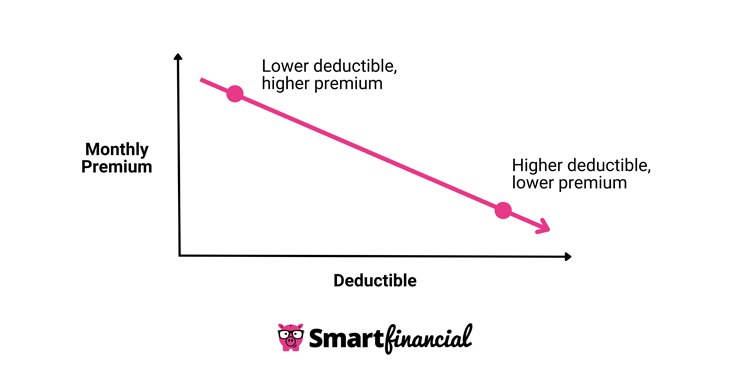
You may also be able to raise your deductible to reduce the cost of flood insurance. However, keep in mind that you should not increase the deductible higher than you can reasonably cover out of pocket, otherwise you may face financial hardship if you need to file a claim.
Who Provides Flood Insurance in Texas?
Flood insurance can be purchased as part of the National Flood Insurance Program (NFIP) which is managed by FEMA, and is available from about 47 insurance companies or directly through the NFIP.[11] Alternatively, flood insurance can be purchased from private insurance companies unaffiliated with the NFIP. Check with your existing home or renters insurance company to see if it offers either option.
How To Get Flood Insurance in Texas
You can get flood insurance in Texas through multiple insurance companies — either as private flood insurance, through an NFIP partnership or directly through the NFIP. If you’re looking for NFIP flood insurance, determine whether its coverage limits meet your needs or if you’ll also need supplemental flood coverage. For private flood insurance, gather quotes from three to five different insurance companies to compare premiums and find the best deal for the coverage offered.
- Insurance quotes /
- Home /
- Flood Insurance Texas
Preston Micalizio writes insurance content for SmartFinancial. He brings three years of professional experience writing in various industries, from higher education to e-commerce. He strives to engage with the audience, provide accurate reporting and make complex subjects easily digestible.


Get a Free Home Insurance Quote Online Now.
More on Home Insurance

Looking for Home Insurance?
Compare rates from dozens of companies in less than 3 minutes.