

Public Liability Insurance: Coverage and Costs Explained
 Written by Dylan Tate Written by Dylan Tate Dylan TateDylan Tate is an insurance content expert for SmartFinancial with over 300 articles about home, auto, business, health a... Read more |  Edited by Richard Murphy Edited by Richard MurphyRichard MurphyRichard Murphy manages content on SmartFinancial's website. With a strong background in content strategy and copywriting... Read more |
 Editorial Standards
 SmartFinancial Offers Unbiased, Fact-based Information. Our fact-checked articles are intended to educate insurance shoppers so they can make the right buying decisions. Learn More
Public liability insurance shields your business from major financial losses if you are held liable for a guest’s injury or damage to their property. This commercial insurance product generally isn’t sold as a standalone policy — instead, it is bundled within general liability insurance. Coverage may cost as little as $40 per month, depending on factors like your company’s size, industry, location and claims history.
Keep reading to learn more about public liability insurance for small businesses, including what expenses are and aren’t covered and when there are small business public liability insurance requirements.
|
Key Takeaways
|
On This Page

What Is Public Liability Insurance?
Why Is Public Liability Insurance Important?
How Does Public Liability Insurance Work?
What Does Public Liability Insurance Cover?
What Doesn’t Public Liability Insurance Cover?
Who Needs Public Liability Insurance?
How Much Does Public Liability Insurance Cost?
Public Liability Insurance vs. General Liability Insurance
Public Liability Insurance at a Glance
How To Get Public Liability Insurance
FAQs

What Is Public Liability Insurance?
Public liability insurance is a type of commercial insurance that can protect businesses from significant losses in case they are held responsible for causing another person or entity to experience physical or financial harm. It is one of the core coverages that may be automatically included within a general liability insurance policy, along with personal and advertising injury, completed operations and product liability coverage.[1]
|
General Liability Coverage Type |
Description |
Covered Claim Example |
|
Public liability |
Covers third-party bodily injury and property damage claims that occur on your business premises |
A waiter at a coffee shop spills coffee on and ruins a customer’s laptop |
|
Personal and advertising injury |
Covers third-party defamation and copyright infringement claims |
A social media content creator uses unlicensed, copyrighted music in a promotional video |
|
Completed operations |
Covers third-party bodily injury and property damage claims that occur away from your business premises but are related to your company’s services |
A technician incorrectly installs a satellite dish, and it falls and damages a nearby building |
|
Product liability |
Covers third-party bodily injury and property damage claims related to the manufacture, design or marketing of a product your business sells or uses |
A restaurant patron has an allergic reaction to an ingredient in their meal that wasn’t listed on the menu |
For motor carriers, public liability coverage may also refer to a commercial auto insurance endorsement that covers third-party bodily injury, property damage and environmental restoration claims that may be excluded from the base auto liability policy.[2]
Why Is Public Liability Insurance Important?
Public liability insurance is important because it covers some of the most common risks facing businesses on a regular basis — especially those that have frequent contact with customers or clients. Additionally, you may be asked to present a certificate of insurance showing proof of public liability coverage in order to secure a contract with an international business partner.[4]
How Does Public Liability Insurance Work?
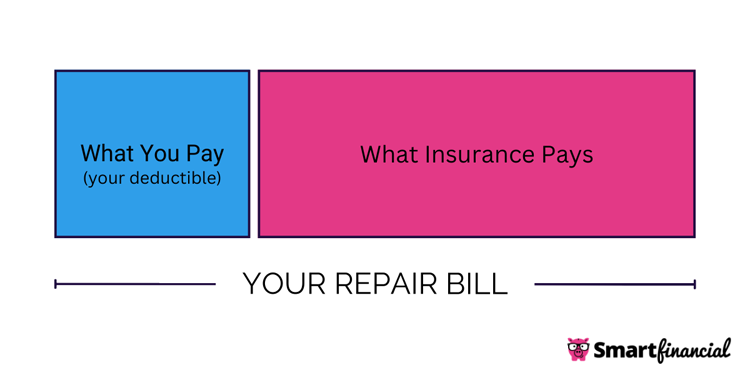
As an example of how public liability insurance works, suppose you own a restaurant and one of your customers sues you after slipping on a wet spot and breaking their arm. In this case, your public liability insurance could cover costs associated with the claim — up to your coverage limit. Some policies may require an upfront, out-of-pocket payment known as a deductible, but not all insurers require deductibles for general liability claims.[5]
What Does Public Liability Insurance Cover?
A basic public liability insurance policy typically provides coverage for the following expenses:[4]
- Medical treatments if a guest is injured on your property
- Repair bills if your business is responsible for damaging someone’s property
- Defense costs, judgments, settlements and other legal expenses if a bodily injury or property damage claim escalates into a lawsuit
What Doesn’t Public Liability Insurance Cover?
Public liability insurance coverage generally doesn’t apply to the following situations:
- Personal and advertising injury claims
- Professional mistakes
- Employee injuries
- Commercial vehicle accidents
- Damage to your business-owned property
- Intentional criminal actions, such as assault committed against a customer
- Expenses that exceed your policy’s coverage limits
Who Needs Public Liability Insurance?
You will likely need a general liability insurance policy that includes public liability coverage if any of the following criteria apply to your business:[6]
- Face-to-face interactions with clients, customers or other people
- Regular access to clients’ property
- Reliance on marketing or advertising to promote your business
- Use of property owned by other people or entities to conduct activities related to your business
- Need for commercial liability insurance to successfully bid for contract work
How Much Does Public Liability Insurance Cost?
As part of a general liability insurance policy, public liability coverage costs an average of $500 to $1,200 per year. The exact cost of your policy may vary based on the following cost factors:[7]
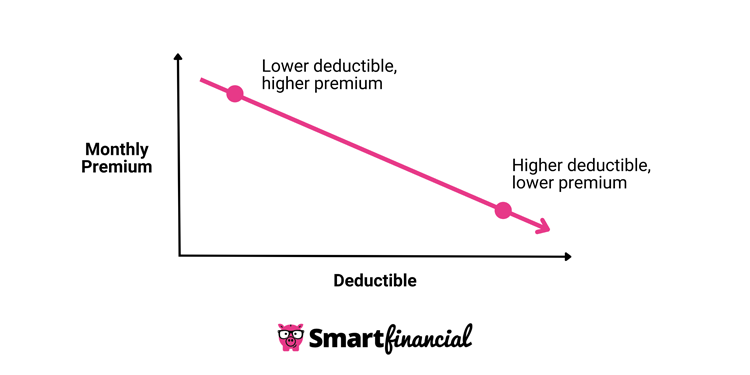
- Coverage specifics: If you select a policy with high coverage limits and a low or no deductible, you can generally expect higher liability insurance premiums.
- Industry: Certain lines of work come with higher liability risks than others, so your insurance company will consider your industry when setting your rates. For example, a resort hotel that hosts hundreds of guests at a time is much more likely to file a public liability claim than a technology company that has minimal in-person interactions with customers.
- Size: Bigger businesses are often viewed as a higher risk to cover, so your insurance carrier will need to know your annual revenue and how many employees you have to calculate accurate premiums.
- Location: Your insurer will also take into account where you operate when determining your insurance costs. For example, businesses in urban areas will likely have more foot traffic — and therefore higher premiums — than those in rural areas.
- Claims history: Businesses that have filed insurance claims many times before may be seen as riskier to insure, meaning they will likely have to pay more for coverage.
- Loss prevention measures: Commercial insurance discounts may be available if you implement risk reduction strategies, such as mandatory employee training and clearly communicated safety protocols.
Public Liability Insurance vs. General Liability Insurance
Though public liability insurance may be offered as a standalone policy in some nations, it has largely been replaced by general liability insurance in the United States, since general liability insurance covers the same types of losses while also offering coverage for additional losses. See the following table for a breakdown of how these coverage types differ:[4]
|
Public Liability Insurance |
General Liability Insurance |
|
|---|---|---|
|
Covered Losses |
Third-party bodily injury and property damage claims |
Same as public liability insurance — plus third-party personal or advertising injury and potentially other claims |
|
Coverage Scope |
Narrower than general liability insurance |
More comprehensive than public liability insurance |
|
Availability |
Generally not available as a standalone policy |
Available as a standalone policy or as part of a business owners policy |
|
Where the Term Is Standard |
Australia and the United Kingdom |
United States |
Public Liability Insurance at a Glance
- Definition: Public liability insurance is a commercial insurance coverage type that steps in if a business is held responsible for inflicting bodily injury or property damage on another person or entity.
- Availability: Most insurance companies do not offer standalone public liability insurance because general liability insurance provides the same level of coverage and adds more comprehensive protection.
- Coverage: A public liability insurance policy can pay for medical treatments, property repairs and legal services in the event of a covered claim. However, it differs from a complete general liability insurance policy in that it doesn’t cover personal and advertising injury claims.
- Requirements: Motor carriers may be required by law to add a public liability insurance endorsement to their commercial auto policy to cover bodily injury, property damage and environmental restoration claims that may not otherwise be covered.
- Contractual covenants: You may need to show proof of public liability coverage to do business with a foreign company, since public liability insurance commonly refers to the most fundamental type of business insurance in certain countries, such as the United Kingdom and Australia. Keep in mind that you can satisfy this contractual requirement by purchasing general liability insurance because it includes public liability coverage.
- Who needs it: General liability insurance is most important for businesses that physically interact with customers or often have access to their property, such as retailers, restaurants and handymen.
- Costs: Average monthly premiums for general liability insurance typically range from around $40 to $100, depending on factors like where you operate, the extent of your business operations and how many claims you have filed before.
How To Get Public Liability Insurance
To find the right commercial liability insurance policy for your business, you’ll need to collect quotes from about three to five different insurance companies. Each insurer will likely need to know information like your industry, location and size to generate accurate quotes. This can make for a tedious process if you try to contact each carrier one at a time.
But, if you opt to use SmartFinancial’s online insurance marketplace platform, you’ll experience a much more streamlined comparison shopping process. With SmartFinancial, you’ll only need to provide your company’s information once, and then we’ll do the dirty work of collecting quotes on your behalf. Click here, insert your ZIP code and start comparing commercial insurance quotes for free in as little as a few minutes!
- Insurance quotes /
- Commercial /
- Public Liability Insurance
Dylan Tate is an insurance content expert for SmartFinancial with over 300 articles about home, auto, business, health and life insurance under his belt. He has over nine years of experience writing for online publications, primarily about gaming and esports. In the process, he has become an expert in search engine optimization, news reporting, feature writing and copy editing.


Get a Free Commercial Insurance Quote.
More on Commercial Insurance

Looking for Commercial Insurance?
Compare rates from dozens of companies in less than 3 minutes.