

Food Liability Insurance: How To Keep Yourself and Your Customers Safe
 Written by Dylan Tate Written by Dylan Tate Dylan TateDylan Tate is an insurance content expert for SmartFinancial with over 300 articles about home, auto, business, health a... Read more |  Edited by Richard Murphy Edited by Richard MurphyRichard MurphyRichard Murphy manages content on SmartFinancial's website. With a strong background in content strategy and copywriting... Read more |
 Editorial Standards
 SmartFinancial Offers Unbiased, Fact-based Information. Our fact-checked articles are intended to educate insurance shoppers so they can make the right buying decisions. Learn More
Food liability insurance can protect both your business and your customers from major financial losses in the event of a bodily injury, property damage, food poisoning or some other covered claim. Restaurants, bars, caterers and other food businesses need to consider purchasing various types of commercial insurance, including general liability, commercial property, workers’ compensation and commercial auto coverage.
Continue reading to learn more about liability insurance for food business owners, including what losses may be covered and what factors may influence your premiums.
|
Key Takeaways
|
On This Page

What Is Food Liability Insurance?
What Does Food Liability Insurance Cover?
What Doesn’t Food Liability Insurance Cover?
Essential Types of Food Liability Insurance
How Much Does Food Liability Insurance Cost?
Who Needs Food Liability Insurance?
Food Liability Insurance at a Glance
How To Get Food Liability Insurance
FAQs

What Is Food Liability Insurance?
Food liability insurance refers to a collection of commercial insurance policies that can protect businesses that sell or serve food against financial losses stemming from lawsuits related to their business activities. There is no singular insurance product known as “food liability insurance,” so you will instead need to purchase multiple types of commercial insurance to create the right policy for your food business.
What Does Food Liability Insurance Cover?
The specifics of your food liability coverage will depend on the coverage types you elect to include in your policy. In general, a comprehensive food business insurance policy should cover losses like these:
- Customer or employee injuries
- Damage to customer or business personal property
- Food poisoning claims
- Allergen-related incidents
- Contamination or spoilage of food
- Commercial vehicle accidents
- Business disruptions caused by sudden property damage
- Alcohol-related liability lawsuits
What Doesn’t Food Liability Insurance Cover?
Policy exclusions may vary by coverage type, but in general, basic food service insurance policies commonly exclude coverage for the following situations:[1]
- Insurance fraud
- Gradual losses, like wear and tear
- Flood and earthquake damage
- Intentional criminal actions
- Pandemics
- Government shutdowns
Essential Types of Food Liability Insurance
In the upcoming sections, you’ll learn about some of the most important types of business insurance that you need to sell or serve food for a living.
| Situation | Covered by |
| After one of your waiters spills a drink on the floor, a customer slips and breaks their arm | General liability insurance |
| Someone gets sick after eating hors d’oeuvres at a special event you catered | Product liability insurance |
| You are sued after an intoxicated patron leaves your bar and causes a car accident that injures another person | Liquor liability insurance |
| One of your food delivery drivers accidentally runs over a customer’s mailbox while driving a company-owned vehicle | Commercial auto liability insurance |
General Liability Insurance
General liability insurance is a foundational commercial coverage type that is recommended for every business.[2] It can pay for medical treatments, property repairs and legal services if your food business is held responsible for someone else’s injury or damage to their property. General liability insurance also includes personal and advertising injury coverage to take care of legal costs in case you are sued for libel, slander or intellectual property violations.
Product Liability Insurance
Broadly speaking, product liability insurance covers legal fees if a customer experiences an injury or some other kind of loss due to a defect in the manufacture, sale, handling or distribution of one of your products. For food businesses, this includes claims of food poisoning and allergic reactions to unlabeled ingredients. While some insurers offer product liability coverage as a standalone policy, others automatically bundle it within general liability insurance.[3]
Food Contamination and Spoilage Insurance
Contamination and spoilage insurance is a specialized coverage type that can mitigate your financial losses if your inventory goes bad due to an extended power outage or a mechanical breakdown affecting your freezers, refrigerators or other storage equipment. This policy may also cover the following expenses if your business is forced by a government entity to temporarily close amid a foodborne illness outbreak:[4]
- Replacement of spoiled food
- Equipment cleaning costs
- Lost income during the shutdown
- Medical tests and vaccinations for employees
- Public relations and crisis management support
Liquor Liability Insurance
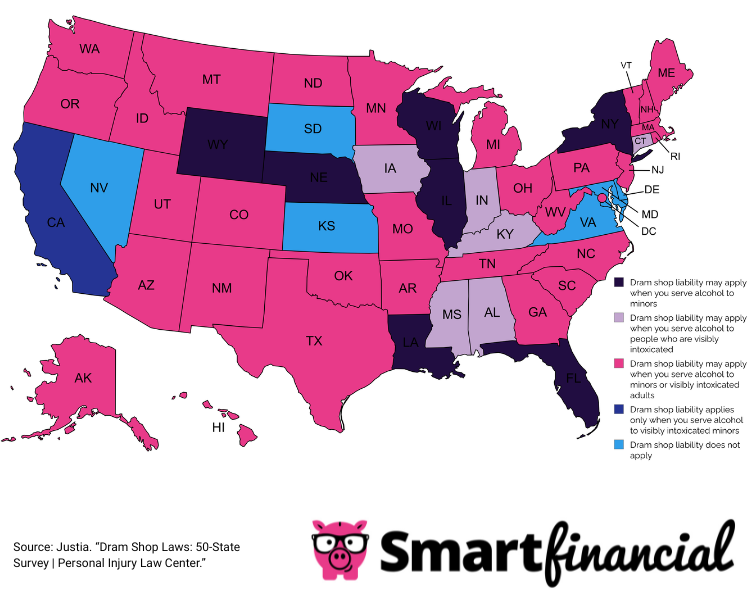
Liquor liability insurance provides medical, repair and legal expense coverage if a customer buys or is served alcohol on your business premises and you are later sued after they cause bodily injury or property damage while intoxicated. Although you cannot always be held liable for the actions of your drunken patrons, you may be held accountable in certain cases, like if you negligently serve alcohol to a patron who is already drunk.[5]
Commercial Property Insurance
If the buildings you own or the items inside them are damaged or lost because of a covered peril — such as fire or theft — then commercial property insurance can help you pay for repairs or replacements. You may also need other types of property coverage for broader protection. For example, inland marine insurance covers business-owned items in transit, while equipment breakdown insurance covers damage caused by sudden internal failures.
Workers’ Compensation Insurance
Workers’ compensation insurance can cover hospital bills, rehabilitative care, lost wages and disability benefits if one of your employees experiences an injury on the job — such as a severe burn injury after accidentally touching a hot stove. Depending on where you operate, your workers’ comp policy may also include employer’s liability coverage, which covers your legal expenses if you are sued over a workplace accident.
Commercial Auto Insurance
Commercial auto insurance consists of multiple coverages that can protect your business if you or your employees get into a collision while driving for commercial purposes. Basic policies should include liability coverage to pay for others’ expenses when your business is at fault and physical damage insurance to cover damage to your company’s vehicles. Other coverages worth considering include medical payments and uninsured motorist coverage.
Business Interruption Insurance
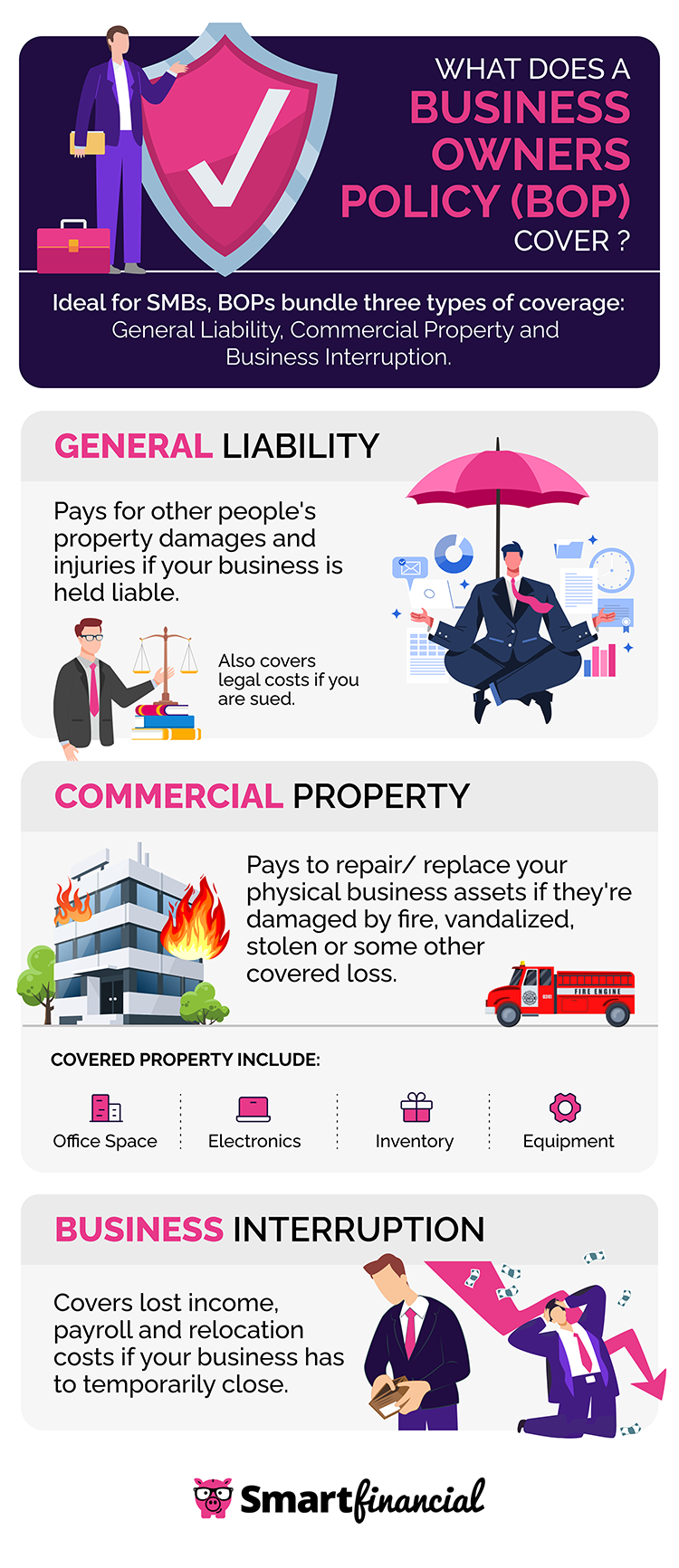
If you must halt normal business operations due to property damage from a sudden peril covered by your commercial property insurance policy, then your business interruption insurance can step in to cover lost income and ongoing operational costs, such as payroll, rent or mortgage payments, taxes and expenses associated with temporarily relocating.
Many small businesses opt to bundle general liability, commercial property and business interruption insurance together by purchasing a business owners policy. That said, some insurance companies may consider restaurants to be too high-risk to qualify for BOP coverage, so you will need to check with your insurer to determine whether you are eligible.[6]
How Much Does Food Liability Insurance Cost?
Small food businesses may be able to secure general liability coverage from the Food Liability Insurance Program for as little as $300 per year. However, your policy will be more expensive if you opt to add other coverage types to it. In the following table, you’ll see approximate starting rates for some of the other common commercial insurance coverage types offered by FLIP:[7]
| Coverage Type | Starting Annual Premium |
| Tools and equipment coverage | $100 |
| Liquor liability insurance | $300 |
| Cyber liability insurance | $100 |
| Food trailer coverage | $150 |
| Professional liability insurance | $125 |
In addition, the cost of your food liability insurance policy may be determined based on the following factors:[7]
- Annual revenue: Larger businesses that generate more revenue tend to have a higher liability exposure, so their insurance policies may be more expensive. For example, businesses with $1 million in yearly income may have to pay upwards of $3,000 per year for general liability insurance from FLIP.
- Claims history: If you have filed several business insurance claims in the past, insurance carriers may view you as a higher risk to file additional claims going forward, and they may charge you more for coverage to offset that risk.
- Discount eligibility: You may be able to qualify for discounts that lower your commercial insurance rates by implementing risk management protocols, such as rotating stock properly and getting rid of potential trip, slip or fall hazards.
Who Needs Food Liability Insurance?
Food liability insurance coverage may be necessary for the following types of businesses and professionals:[8][9]
- Restaurants
- Bartenders
- Caterers
- Personal chefs
- Mobile food vendors, such as food trucks, carts and concession trailers
- Bakers
- Farmers market sellers
- Cottage food producers
- Shared-use commercial kitchens
- Coffee shops
- Grocery stores
- Butcher shops
When Is Food Liability Insurance Required?
While basic general liability insurance typically isn’t required by law, other commercial coverage types may be mandatory for your food business, depending on your commercial operations. For example, most businesses with employees are required to carry workers’ compensation insurance, while most businesses that use vehicles for commercial purposes must have commercial auto liability insurance.[10][11]
Food Liability Insurance at a Glance
- Definition: Food liability insurance is not a single insurance product, but rather a collection of commercial insurance coverages that address the most common risks facing restaurants, bars, caterers and other food businesses.
- Liability recommendations: Various types of liability insurance can be beneficial for food businesses, including general liability, product liability and liquor liability insurance.
- Property recommendations: Your food business may also need certain types of property coverage to be fully covered, including commercial property, business interruption and food contamination and spoilage insurance.
- Limitations: Although many small businesses choose to bundle basic liability and property coverages together through a business owners policy, some insurers do not offer BOPs to high-risk businesses, such as restaurants.
- Requirements: If you have employees or use vehicles to conduct business activities, you may be required by law to carry workers’ compensation insurance or commercial auto insurance, respectively.
- Costs: The Food Liability Insurance Program offers general liability insurance to small food businesses for around $25 per month, but your premiums may vary based on factors like your size, policy details, claims history and risk prevention strategies.
How To Get Food Liability Insurance
Before picking an insurance policy for your food business, you need to compare quotes from around three to five different carriers, since each insurance company has its own unique methods for assessing risk and assigning premiums. To receive a quote, you may need to share information like your company’s size, where you operate and how much money you bring in each year.
You can simplify the comparison shopping process by using an online insurance marketplace platform, like SmartFinancial. Simply fill out a brief questionnaire about your business and coverage needs, and then we’ll connect you with an insurance agent who can help you determine which insurer can offer the best policy given your requirements and budget. Get started on comparing business insurance quotes at no cost today!
- Insurance quotes /
- Commercial /
- Food Service Insurance
Dylan Tate is an insurance content expert for SmartFinancial with over 300 articles about home, auto, business, health and life insurance under his belt. He has over nine years of experience writing for online publications, primarily about gaming and esports. In the process, he has become an expert in search engine optimization, news reporting, feature writing and copy editing.


Get a Free Commercial Insurance Quote.
More on Commercial Insurance

Looking for Commercial Insurance?
Compare rates from dozens of companies in less than 3 minutes.