

How To Find the Best Health Insurance in New Jersey
 Written by Dylan Tate Written by Dylan Tate Dylan TateDylan Tate is an insurance content expert for SmartFinancial with over 300 articles about home, auto, business, health a... Read more |  Edited by Dan Marticio Edited by Dan MarticioDan MarticioDan Marticio is the content manager at SmartFinancial and has written 150+ articles across multiple insurance verticals.... Read more |
 Editorial Standards
 SmartFinancial Offers Unbiased, Fact-based Information. Our fact-checked articles are intended to educate insurance shoppers so they can make the right buying decisions. Learn More
Health insurance is required by law in New Jersey, meaning it’s crucial for residents to shop around and compare prices for health plans from multiple carriers. Certain types of health insurance are a bit cheaper than average in New Jersey and the state also grants its residents a longer-than-usual open enrollment period.
Read on to learn more about New Jersey health insurance such as how much it typically costs and what happens if you fail to sign up for a policy.
|
Key Takeaways
|
On This Page

Is Health Insurance Required in New Jersey?
New Jersey Health Insurance Rankings
How Much Does Health Insurance Cost in New Jersey?
What Is the Average Cost of Health Insurance in New Jersey by City?
Which Health Insurance Companies Are the Most Affordable in New Jersey?
When Is Open Enrollment for Health Insurance in New Jersey?
What Types of Health Insurance Are Available in New Jersey?
How To Get Health Insurance in New Jersey
FAQs

Is Health Insurance Required in New Jersey?
New Jersey imposes a financial penalty known as the Shared Responsibility Payment (SRP) on taxpayers who neither purchase health insurance nor qualify for an exemption to the state’s health insurance requirements. In 2024, the SRP can theoretically range from $695 to $19,800 depending on the number of people in your household and your household income, though in practice the SRP legally cannot exceed the statewide average cost of a bronze health plan.[1]
New Jersey Health Insurance Rankings
New Jersey has an above-average health care system, ranking 17th in the nation in terms of overall quality according to the Commonwealth Fund. Most notably, New Jersey boasts the lowest rate of alcohol-related deaths and the smallest impact of income disparity on avoidable emergency room visits for Medicare beneficiaries in the country. Take a look at the table below to see how New Jersey fared in each of the metrics analyzed by the Commonwealth Fund.[2]
|
Dimension |
National Rank |
|---|---|
|
Reproductive & Women’s Health |
21 |
|
Access & Affordability |
15 |
|
Prevention & Treatment |
18 |
|
Avoidable Hospital Use & Cost |
41 |
|
Healthy Lives |
4 |
|
Income Disparity |
29 |
|
Racial & Ethnic Health Equity |
13 |
How Much Does Health Insurance Cost in New Jersey?
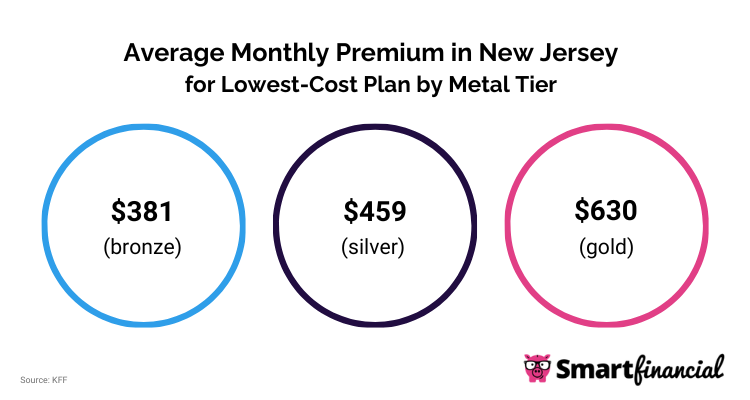
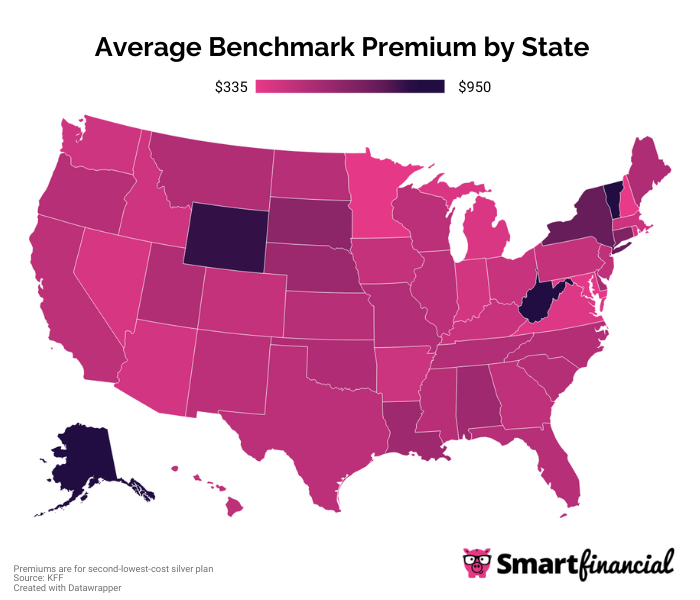
Silver-tier health insurance is a bit cheaper than average in New Jersey, as it costs $461 per month on average to enroll in a benchmark plan in the Garden State, whereas it costs $477 per month on average to enroll in a benchmark plan across the United States. New Jerseyans also pay an average of $381 per month for the lowest-cost bronze plan in the state, $459 per month for the lowest-cost silver plan and $630 per month for the lowest-cost gold plan.[3]
Cheapest Health Insurance Options in New Jersey
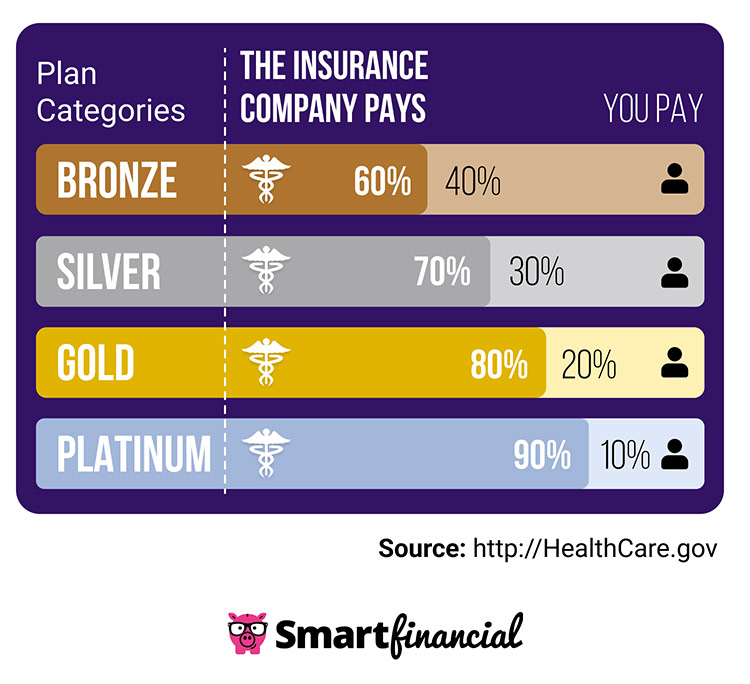
In general, bronze health plans have the lowest premiums because they require you to pay the most in out-of-pocket costs like deductibles, copays and coinsurance whenever you receive care. As a result, a bronze plan should be the cheapest option if you don’t expect to need medical care often but could end up costing you more in the long run than a higher-tiered gold or platinum plan if you do access health care regularly.[4]
Health maintenance organization (HMO) plans are also an appealing option because they tend to come with lower premiums and out-of-pocket costs than preferred provider organization (PPO) plans. Of course, the trade-off is that certain benefits covered by a PPO are not covered by an HMO including out-of-network care and specialist visits without a referral.[5]
What Is the Average Cost of Health Insurance in New Jersey by City?
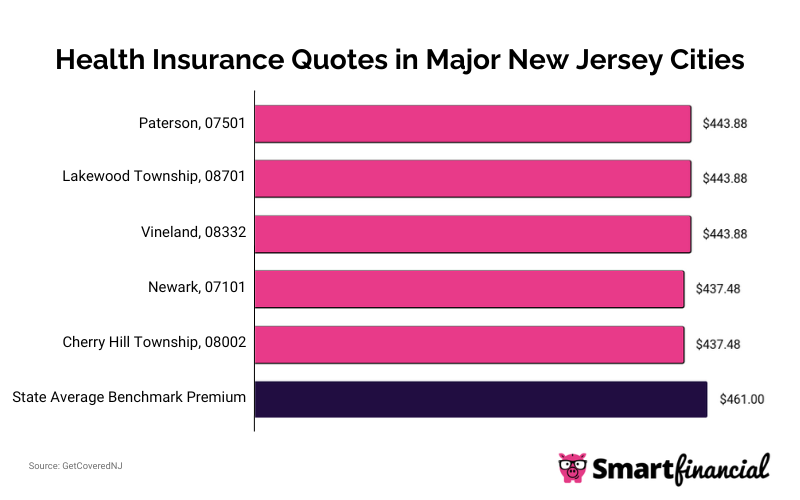
The following table provides the median costs of Marketplace health plans listed on New Jersey’s state-run health exchange, GetCoveredNJ. The listed rates do not account for premium tax credits and apply to a sample population of 30-year-olds making $40,000 per year in multiple New Jersey cities and townships.[6]
|
City, ZIP Code |
Quote |
|---|---|
|
Paterson, 07501 |
$443.88 |
|
Lakewood Township, 08701 |
$443.88 |
|
Vineland, 08332 |
$443.88 |
|
Newark, 07101 |
$437.48 |
|
Cherry Hill Township, 08002 |
$437.48 |
Which Health Insurance Companies Are the Most Affordable in New Jersey?
Aetna generally offers the lowest rates for silver health insurance plans in New Jersey. Check out the below table to see examples of other health insurance companies that charge 40-year-olds less than $800 per month for silver-tier coverage.[7]
|
Insurance Company |
Cost Range |
|---|---|
|
Aetna |
$458 to $460 |
|
Horizon Blue Cross Blue Shield |
$461 to $768 |
|
$481 to $524 |
|
|
$488 to $490 |
|
|
$490 to $571 |
When Is Open Enrollment for Health Insurance in New Jersey?
Open enrollment lasts from November 1 to January 31 in New Jersey, meaning New Jerseyans get a slightly extended window of time during which they can sign up for health insurance coverage compared to the federal Health Insurance Marketplace open enrollment period of November 1 to January 15.[8][9]
Outside of open enrollment, you can still join a Marketplace plan if you become eligible for a special enrollment period on account of a qualifying life event like becoming pregnant, moving to a new coverage area or losing your employer-sponsored health insurance. In addition, New Jersey residents earning no more than 200% of the federal poverty level (FPL) can qualify for a special enrollment period at any point during the year.[8]
What Types of Health Insurance Are Available in New Jersey?
Although state law prohibits the sale of short-term health insurance, New Jersey residents can enroll in most other major types of health insurance including the following:[10]
- Marketplace health insurance
- Private coverage purchased directly from an insurance company
- Employer-sponsored group health insurance
- Consolidated Omnibus Budget Reconciliation Act (COBRA) continuation coverage
- Medicare
- NJ FamilyCare (includes Medicaid and CHIP)
- Department of Veterans Affairs (VA) health benefits
- Student health plans
How To Get Health Insurance in New Jersey
You should generally compare quotes from approximately three to five insurers before you settle on a health plan. You’ll have to provide information like your age, ZIP code, household income and more to obtain a quote, which can make for a tiresome process if you try to reach out to multiple health insurance companies individually.
Instead, consider letting SmartFinancial shop for you. Once you give us your information through a brief questionnaire, we’ll match you up with agents who can help you search for New Jersey health plans in your area. Compare health insurance quotes at no cost today.
- Insurance quotes /
- Health /
- New-jersey
Dylan Tate is an insurance content expert for SmartFinancial with over 300 articles about home, auto, business, health and life insurance under his belt. He has over nine years of experience writing for online publications, primarily about gaming and esports. In the process, he has become an expert in search engine optimization, news reporting, feature writing and copy editing.


Get a Free Health Insurance Quote Online Now.
More on Health Insurance

Looking for Health Insurance?
Compare rates from dozens of companies in less than 3 minutes.