

Does Car Insurance Cover Flood Damage?
 Written by Preston Micalizio Written by Preston Micalizio Preston MicalizioPreston Micalizio writes insurance content for SmartFinancial. He brings three years of professional experience writing ... Read more |  Edited by Richard Murphy Edited by Richard MurphyRichard MurphyRichard Murphy manages content on SmartFinancial's website. With a strong background in content strategy and copywriting... Read more |
 Editorial Standards
 SmartFinancial Offers Unbiased, Fact-based Information. Our fact-checked articles are intended to educate insurance shoppers so they can make the right buying decisions. Learn More
If you have a standard car insurance policy, you may need to purchase additional coverage to be protected against flood damage. A flooded car can lead to mold, corrosion, or severe mechanical and electrical damage that could total your car. Without the proper auto insurance coverage, repairs or replacement may result in significant out-of-pocket expenses.
Keep reading to learn when car insurance covers flood damage, what type of coverage applies and how to make a flood damage claim.
|
Key Takeaways
|


Am I Covered if a Flood Damages My Car?
Car insurance may cover flood damage, but only with a specific type of coverage. Typically, flood damage coverage requires comprehensive car insurance, which is optional and must be added to your policy. Without this coverage, you’ll likely need to pay for repairs or replacement out of pocket. We’ll talk more about comprehensive coverage and what it includes in detail later on.
How Can Water Damage Your Car?
Water can have severe effects on your vehicle, especially if it is partially or fully submerged due to a flood. Excessive water exposure may result in rust or corrosion in the future, but it can also lead to malfunctions, mold growth and aesthetic damage. Below are a few potential ways that water from floods can damage your car:[1]
- Flooded engine that prevents your car from starting
- Electrical damage from short circuits to various components
- Contaminated fluids, such as fuel
- Increased risk of rust
- Increased risk of corrosion
- Mold growth
- Interior damage to carpeting and upholstery
- Damaged aftermarket electronics, such as a dash camera
What Types of Car Insurance Policies Cover Flooding?
While there is no dedicated flood insurance for vehicles, damage caused by flooding is typically covered by comprehensive coverage — an optional policy feature that protects against noncollision perils. Comprehensive coverage is also commonly included as part of a full coverage policy, which bundles liability and collision coverage with it. Damage covered by comprehensive insurance can vary between policies, but often includes:
|
Floods |
Fire |
|
Windstorm |
Hail |
|
Earthquakes |
Theft |
|
Vandalism |
Civil disturbance |
|
Falling Objects |
Collision with an animal |
Your lender may require comprehensive coverage if you have an auto loan; however, it is typically optional otherwise.[2] This means you’ll likely need to contact your insurer to add this coverage. Be sure to review the situations included in the policy, as they may not always include flooding or water damage.
Another type of insurance that can help with flood damage is gap coverage, which pays the difference between your insurance payout and what you owe on a financed or leased car after a total loss. This ensures that even if your vehicle is totaled due to flood damage, you won’t be left paying out the remainder of an auto loan or lease agreement out of pocket.
Additionally, you may also want to consider rental car reimbursement insurance, which helps cover the cost of renting a temporary vehicle while your flood-damaged car is being repaired or replaced. However, this coverage may be included in your standard policy, depending on the insurer.
When Is Flooding Not Covered by Car Insurance?
If you don't purchase comprehensive coverage, you likely won’t be covered for flood damage caused to your car.[3] This means if you only carry minimum car insurance, which only includes the lowest legal amount of liability coverage, your repair or replacement expenses will need to be paid out of pocket. Damage due to poor maintenance or intentional damage likely also won’t be covered by your insurance.
Damage to your car that occurs during a flood but is not caused directly by the flood itself may not be covered, depending on what types of insurance you have. For example, if you were involved in a car accident with another vehicle during a flood, the repair costs for your vehicle would likely require collision insurance. Personal property that was damaged in your car, including aftermarket devices such as stereo systems, may not be covered by car insurance; however, it could be covered by homeowners or renters insurance.[2]
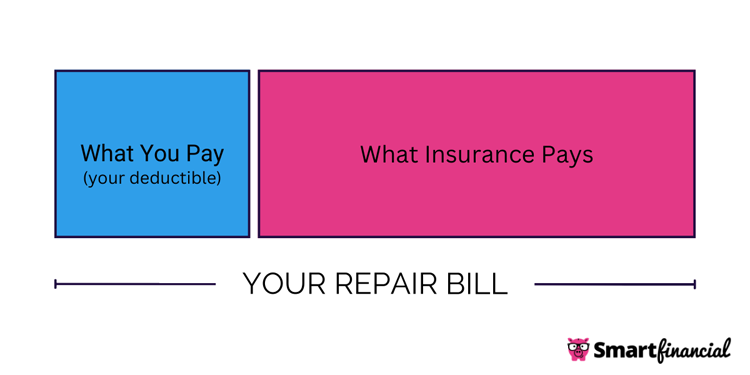
You also won’t be covered if you fail to pay your car insurance premiums on time, as this may void your auto insurance policy. Additionally, comprehensive coverage claims typically include a deductible that is subtracted from your claim amount and must be paid out of pocket. Refusing or failing to pay this deductible to your repair shop could result in repair delays or refusal of service.
How To File a Car Insurance Claim for Flood Damage
File a claim with your insurance provider as soon as possible after the flood has passed and you can safely assess the damage to your vehicle. Be sure to take pictures of any visible damage as evidence, as this may be necessary to expedite your claim. Even if there is no visible damage, it may be worth taking your car to a mechanic for a more thorough evaluation — including getting a quote for any anticipated repairs.
An insurance adjuster will likely contact you to review your claim and determine whether the damage is covered under your policy. They may request information, such as pictures, details of the flood and repair cost estimates. The adjuster may either direct you to a mechanic or provide an in-person inspection to determine the extent of the damage and the expected cost of repairs or replacement.
If your claim is approved, you’ll likely receive the payment minus your deductible. If additional flood damage is discovered at a later date, you’ll need to file a new claim.
How To Add Comprehensive Coverage for Flood Damage to Your Policy
First, check with your existing auto insurance company to see if you can add comprehensive coverage to your policy. If the covered perils don’t meet your needs, the premium is more than you want to pay or you’re considering switching insurers, shop around for other options. Try to get quotes from three to five insurers to understand the range of policies available.
When gathering quotes, you’ll need to provide information about your vehicle, such as its make and model, along with personal details, including whether you live in a flood-prone area, your age and your gender. Keep in mind that you’ll usually need to provide this information to each insurance company individually, which can make the process time-consuming.
Speed up the process by using an insurance marketplace like SmartFinancial. After answering a few questions, you’ll be connected with a licensed insurance agent who can help you get the coverage you need. Click here for free car insurance quotes today!
- Insurance quotes /
- Auto /
- Does Car Insurance Cover Flood Damage
Preston Micalizio writes insurance content for SmartFinancial. He brings three years of professional experience writing in various industries, from higher education to e-commerce. He strives to engage with the audience, provide accurate reporting and make complex subjects easily digestible.


Get a Free Auto Insurance Quote Online Now.
More on Auto Insurance

Looking for Auto Insurance?
Compare rates from dozens of companies in less than 3 minutes.