

MBI vs. Extended Warranty: Which Protects You From Costly Repairs?
 Written by Dylan Tate Written by Dylan Tate Dylan TateDylan Tate is an insurance content expert for SmartFinancial with over 300 articles about home, auto, business, health a... Read more |  Edited by Richard Murphy Edited by Richard MurphyRichard MurphyRichard Murphy manages content on SmartFinancial's website. With a strong background in content strategy and copywriting... Read more |
 Editorial Standards
 SmartFinancial Offers Unbiased, Fact-based Information. Our fact-checked articles are intended to educate insurance shoppers so they can make the right buying decisions. Learn More
Mechanical breakdown insurance and extended warranties are similar in that they can both reimburse you if your car breaks down due to a sudden internal failure. However, they often differ when it comes to how to obtain them, when you can qualify for them, how much they cost, what repairs they cover and how much you have to contribute out of pocket whenever you file a claim.
Continue reading for specific MBI vs. extended warranty comparisons that can help you decide whether you should add coverage to your car insurance policy or purchase a standalone plan.
|
Key Takeaways
|


What Is Mechanical Breakdown Insurance?
Mechanical breakdown insurance — also known as car repair insurance — is an optional car insurance add-on that covers damage to the parts of your vehicle caused by sudden breakdowns and other mechanical or electrical malfunctions. See the following table for an overview of the car parts that usually are and aren’t covered by MBI.[1]
|
Generally Covered by MBI |
May Not Be Covered by MBI |
|---|---|
|
Suspension |
|
|
Brake pads |
|
|
Transmission |
Drive belts |
|
Drive train |
Cooling system hoses |
|
Cooling system |
|
|
Air conditioning |
|
|
Heating systems |
|
How Does Mechanical Breakdown Insurance Work?
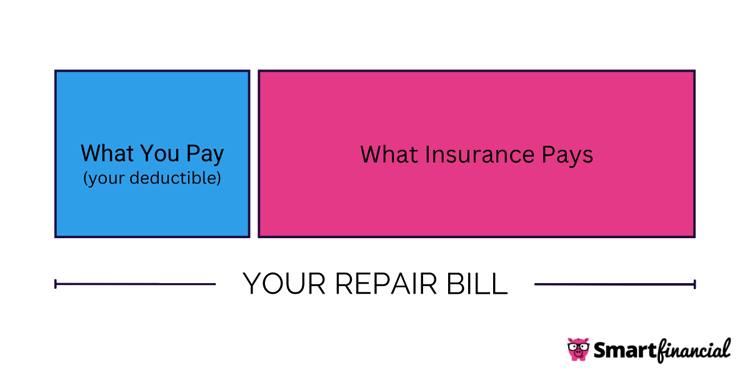
If you file a claim on your MBI policy after a covered loss, you will need to cover a portion of the costs out of pocket by paying a deductible. GEICO, for example, requires a $250 deductible for MBI claims.[2] Keep in mind that your mechanical breakdown insurance won’t cover losses that are instead covered by physical damage insurance — such as damage from car accidents or storms — nor will it cover wear and tear, which is not covered by any type of auto insurance.
Who Offers MBI?
Car repair insurance coverage is primarily sold by auto insurance companies as an add-on to existing car insurance policies. That said, you may also be able to obtain a standalone mechanical breakdown insurance plan from a bank or credit union.[3] In this way, it is similar to gap insurance, which is offered by a variety of different financial institutions.
When Is MBI Available?
You may only be able to get MBI while your car is fairly new. For example, GEICO only offers new MBI policies for vehicles that are less than 15 months old and have no more than 15,000 miles on them. However, once they have purchased the initial policy, GEICO customers are allowed to renew their MBI for up to seven years or 100,000 miles — whichever comes first.[2]
How Much Does Mechanical Breakdown Insurance Cost?
The cost of mechanical breakdown insurance may range from as little as $30 per year to as much as $120 per year — with deductibles typically spanning from $100 to $500 — depending on the type of car you have and your policy’s coverage details.[3] You must pay for MBI whenever you pay the rest of your car insurance premium, which usually occurs on a monthly, quarterly, semiannual or annual basis, depending on your insurance company.[4]
What Is an Extended Warranty?
An extended warranty is a service contract that covers repairs or replacements of vehicle components that are damaged by sudden internal failures. As its name suggests, it is a paid extension of the manufacturer’s warranty that automatically comes with new cars. Free factory warranties usually expire after three years or 36,000 miles — whichever comes first — while extended warranties may add coverage for an extra two to seven years.[5][6]
Although MBI and extended warranty claims both require deductibles, the deductibles for extended warranties are generally smaller.[1] In addition, extended warranties may have much more lenient eligibility requirements than MBI policies. For example, Endurance offers vehicle service contracts for any car that is up to 20 years old with no mileage restrictions.[7]
Who Sells Extended Warranties?
Extended auto service contracts are often sold by car dealerships, auto manufacturers and other third-party companies.[8] Although insurance carriers don’t directly sell extended warranties, they may partner with other providers to offer comparable service contracts. For example, Allstate customers can secure a special deal on extended vehicle care plans administered by Pablo Creek Services — an Allstate subsidiary.[9]
Coverage Tiers
There are three main types of extended warranties, as described in the table below. While vehicle protection plans that provide less coverage are naturally cheaper, those that offer broader coverage are generally considered to be a better value.[10]
|
Warranty Type |
Description |
|---|---|
|
Powertrain warranty |
Covers only the essential components responsible for moving your vehicle forward, such as the engine, transmission and drivetrain |
|
Midlevel warranty |
Covers most of your car’s major systems but excludes coverage for certain electronic and comfort features |
|
Bumper-to-bumper warranty |
Provides comprehensive coverage for nearly all of your car’s major parts and systems that may be subject to mechanical breakdowns |
Common Exclusions
Your warranty company may reject claims involving racing, off-roading or defective aftermarket parts, depending on your coverage details.[5] Meanwhile, oil filters and wiper blades may not be covered, and tires and batteries may require their own separate warranties.[11] Additionally, while MBI may cover repairs performed by any facility, an extended warranty may only cover repairs performed by an authorized shop or the dealership that sold your car to you.[2][8]
How Much Does an Extended Warranty Cost?
On average, bumper-to-bumper extended warranties cost about $1,000 per year, but the costs may be split into an initial down payment of $0 to $350 and monthly payments of $30 to $150 throughout the life of the warranty.[12] However, some providers may require you to pay for your warranty in full with an upfront, lump-sum payment. Alternatively, the cost of your warranty may be rolled into your auto loan — in which case, you will have to pay interest on it.[1]
MBI vs. Extended Warranty: Key Differences
Here’s a review of the biggest differences to keep in mind when deciding whether to purchase a mechanical breakdown insurance policy or an extended car warranty:
|
MBI |
Extended Warranty |
|
|---|---|---|
|
Suppliers |
Insurance companies, banks and credit unions |
Car dealerships, manufacturers and other third-party companies |
|
Eligibility |
Only newer cars with low mileage are eligible for new policies |
Older cars with high mileage may be eligible |
|
Payment Schedule |
Monthly, quarterly, semiannual or annual payments |
Full lump-sum payment up front, regular payments as part of a vehicle financing contract or an initial down payment followed by monthly payments |
|
Pricing |
Lower premiums ($30 to $120 per year) with higher deductibles ($100 to $500) |
Higher premiums ($1,000 per year) with lower deductibles ($50 to $250) |
|
Covered Repair Shops |
Any repair facility |
Only authorized repair shops or the dealership that sold you the car |
Mechanical Breakdown Insurance: Pros and Cons
These are the biggest pros and cons of car repair coverage:
|
Pros |
Cons |
|---|---|
|
Can often be cheaply added to your existing car insurance policy |
May only be available for newer cars with low mileage or cars that have already had MBI coverage for a long time |
|
Simplifies the claims process, since all of your auto-related claims are handled by one insurance company |
Often comes with a higher deductible than an extended warranty |
|
May cover repairs performed by any licensed repair shop you choose |
|
Extended Warranty: Pros and Cons
Before buying an extended vehicle warranty, consider the following benefits and drawbacks:
|
Pros |
Cons |
|---|---|
|
Prolongs the coverage provided during the factory warranty coverage period |
Typically costs significantly more than MBI |
|
Older vehicles with high mileage may qualify |
You may have to pay interest on the premiums if they are included in your car financing agreement |
|
Often comes with a lower deductible than an MBI policy |
May only cover repairs performed by certain approved dealers or auto shops |
How To Get Mechanical Breakdown Insurance
To find the best deal on a car insurance policy with mechanical breakdown coverage, you’ll need to compare quotes from three to five auto insurers. Carriers will request information like your driving record and the make and model of your car to generate quotes. This can make for a time-consuming process if you reach out to insurance companies one at a time.
For a more streamlined comparison shopping experience, shop through SmartFinancial. You only need to fill out a single online questionnaire before we connect you with an agent who can help you find an affordable, high-quality car insurance policy in your area. Click here to enter your ZIP code and begin comparing auto insurance quotes for free!
- Insurance quotes /
- Auto /
- Mbi Vs Extended Warranty
Dylan Tate is an insurance content expert for SmartFinancial with over 300 articles about home, auto, business, health and life insurance under his belt. He has over nine years of experience writing for online publications, primarily about gaming and esports. In the process, he has become an expert in search engine optimization, news reporting, feature writing and copy editing.


Get a Free Auto Insurance Quote Online Now.
More on Auto Insurance

Looking for Auto Insurance?
Compare rates from dozens of companies in less than 3 minutes.