

Is My Car Covered if I Drive in a Heavy Storm?
 Written by Dylan Tate Written by Dylan Tate Dylan TateDylan Tate is an insurance content expert for SmartFinancial with over 300 articles about home, auto, business, health a... Read more |  Edited by Richard Murphy Edited by Richard MurphyRichard MurphyRichard Murphy manages content on SmartFinancial's website. With a strong background in content strategy and copywriting... Read more |
 Editorial Standards
 SmartFinancial Offers Unbiased, Fact-based Information. Our fact-checked articles are intended to educate insurance shoppers so they can make the right buying decisions. Learn More
Full coverage car insurance generally covers storm damage — including wind, flooding and other types of damage directly caused by a storm — as well as damage incurred if you get into a car accident while driving during a storm. However, if you only carry liability insurance and any other coverage types required by law in your state, storm-related damage to your vehicle typically won’t be covered.
Keep reading for an in-depth overview of when storm damage is covered by car insurance and what steps you should take if your vehicle is damaged amid bad weather.
|
Key Takeaways
|


Does Car Insurance Cover Storm Damage?
A basic car insurance policy that only includes state-mandated liability insurance can take care of another person’s medical bills and property repairs if you injure them or damage their property while driving through a storm. It can also cover legal fees if the other driver sues you after an accident. However, your liability coverage won’t cover any damage your vehicle incurs during the storm.
If you get into an accident while driving in bad weather and the other driver is at fault, their bodily injury liability insurance and property damage liability insurance could take care of your medical expenses and repair costs, respectively. That said, no type of auto liability insurance will cover damage to your car caused by the storm itself. Meanwhile, medical payments coverage or personal injury protection may cover your medical bills after a weather-related crash.
What Types of Car Insurance Cover Storm Damage?
For more extensive storm damage coverage, you need to purchase the two physical damage coverage types: comprehensive and collision insurance. You aren’t required by law to purchase comprehensive or collision coverage in any state. Nevertheless, lenders and lessors often require these coverage types for drivers who finance or lease their vehicles.
Collision coverage can pay to repair or replace your vehicle after a crash — even if you are the at-fault driver. For example, your collision insurance may kick in if you start hydroplaning amid heavy rainfall and slam into another car, a guardrail or a ditch. Conversely, comprehensive coverage insures your car against a wide array of noncollision perils, including natural disasters, animal strikes, theft and vandalism.
What Types of Weather-Related Damage Does Car Insurance Cover?
Comprehensive insurance generally covers multiple weather-related perils that could damage your car, such as hail, lightning, falling tree branches and various types of wind damage caused by a hurricane or tornado. Unlike homeowners insurance, a comprehensive car insurance policy may even provide coverage for damage from floods and earthquakes.[1]
Your policy may also cover damage caused by storm-related road debris, though coverage may vary. For example, American Family covers windshield damage from rocks but not from flying tar or gravel.[2] Ultimately, your insurer could opt to add an act-of-God exclusion that removes coverage for natural disasters, so it’s important to go over your policy documents or consult with your insurance agent to ensure you understand the specifics of your car insurance coverage.[3]
What Should I Do if My Car Is Damaged by a Storm?
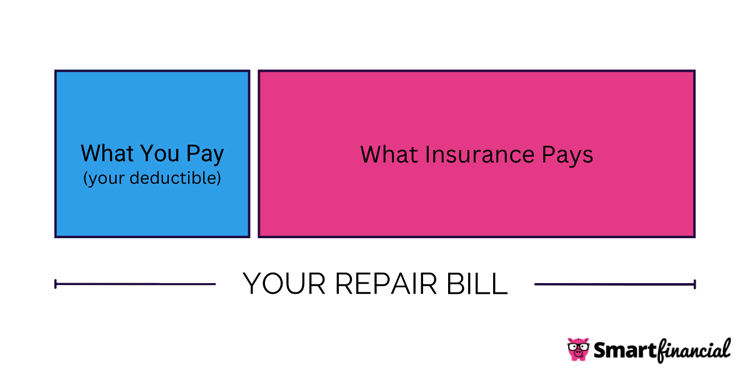
After a storm, you should first assess the damage to your vehicle and determine whether it’s severe enough to justify contacting your car insurance company and scheduling a time for an adjuster to inspect it. Keep in mind that filing a claim can raise your car insurance premiums, and there’s no point in filing a claim unless the cost of repairs exceeds your deductible — the minimum amount of money you must contribute out of pocket toward every claim.
Even if you decide to go through with your storm damage insurance claim, it’s a good idea to prevent extra damage by sealing or covering cracked windows or windshields and making other minor repairs, as needed. In addition, you need to dry your car out as thoroughly as possible once the storm ends to avoid a long-lasting odor and rusting or other kinds of internal water damage.
How To File a Car Insurance Claim for Storm-Related Damage
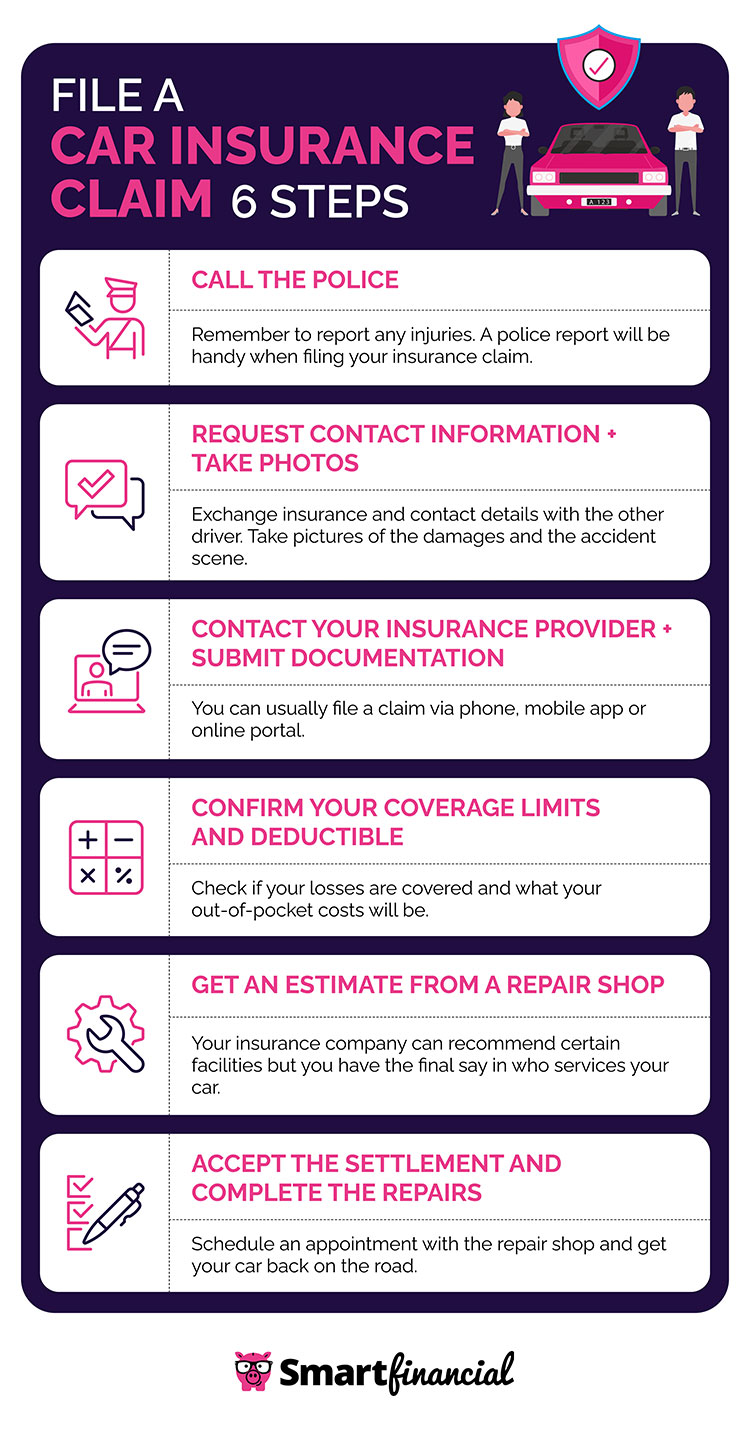
You can take these steps to file a car insurance claim whenever your car is damaged in stormy weather:
- Call 911 so first responders can tend to anyone who is injured and officers can fill out a police report.
- Take pictures or videos of the damaged parts of your vehicle, and exchange contact information with the other driver if the damage was caused by a car crash.
- Reach out to your insurance carrier to initiate the claims process and submit relevant documentation, such as photos and police reports.
- Check your deductible and coverage limits to get an idea of how much money you can expect to receive from your insurance provider.
- Contact an auto shop to get a quote for repairs.
- Accept your insurance payout if you believe the settlement is appropriate, and use the money to replace or fix your car.
If your claim is denied or the insurance settlement is insufficient to cover the cost of repairs, you may be able to turn to the Federal Emergency Management Agency. FEMA’s Assistance for Housing and Other Needs program can help you pay to repair or replace a car damaged by a federally declared natural disaster if your family needs the vehicle on a daily basis.[4]
- Insurance quotes /
- Auto /
- Does Car Insurance Cover Storm Damage
Dylan Tate is an insurance content expert for SmartFinancial with over 300 articles about home, auto, business, health and life insurance under his belt. He has over nine years of experience writing for online publications, primarily about gaming and esports. In the process, he has become an expert in search engine optimization, news reporting, feature writing and copy editing.


Get a Free Auto Insurance Quote Online Now.
More on Auto Insurance

Looking for Auto Insurance?
Compare rates from dozens of companies in less than 3 minutes.