

Spring Cleaning Your Insurance: How To Save Money in Springtime
 Written by Preston Micalizio Written by Preston Micalizio Preston MicalizioPreston Micalizio writes insurance content for SmartFinancial. He brings three years of professional experience writing ... Read more |  Edited by Richard Murphy Edited by Richard MurphyRichard MurphyRichard Murphy manages content on SmartFinancial's website. With a strong background in content strategy and copywriting... Read more |
 Editorial Standards
 SmartFinancial Offers Unbiased, Fact-based Information. Our fact-checked articles are intended to educate insurance shoppers so they can make the right buying decisions. Learn More
Spring cleaning your insurance can be a great chance to ensure you have the necessary coverages, access to qualifying discounts and the lowest possible premium. While you should review your insurance throughout the year, springtime offers an easy excuse to refresh yourself on your current policies and ensure you aren’t experiencing coverage gaps.
Read on to learn more about reviewing your insurance coverage this spring and throughout the year.
|
Key Takeaways
|


1. Review Your Current Coverage
This springtime, take an opportunity to review your current insurance policies, including auto, homeowners or renters, health and more. Spring is early enough in the year that it’s an excellent opportunity to look ahead to upcoming changes and see whether your current coverage will match your needs. For example, if you anticipate a particularly rough hurricane season in the coming months, it may be worth purchasing flood insurance coverage.
Reviewing your coverage also lets you look back on significant life changes over the past year to ensure your insurance policies align with your current needs. For example, if you recently completed a renovation on your home, it may be necessary to increase your coverage limits if the project increased your home’s rebuilding costs. You may also have started a home business and should review your commercial insurance policies to ensure you have the right coverage for your office equipment, which might not be covered by homeowners or renters insurance.
While the deadline for applying for health insurance through open enrollment will have passed by spring, a recent major life event — such as moving into a new home or having a child — could place you within a special enrollment period, allowing you to change your health plan. It’s also worth reviewing your policies to better understand their limits, as not all policies cover every event. For instance, homeowners policies typically do not cover damage caused by negligence, such as mold from a leaking pipe.
2. Update Your Information
Your personal information may have changed during the last year, and you should ensure your insurer is up to date. For example, if you’ve gotten married, divorced or added a child to your family, these changes could affect how you are underwritten. This can even result in insurance savings, such as with an auto insurance policy, which typically lowers your premium after marriage if both drivers have clean driving records.[2]
3. Assess Your Deductibles and Insurance Premiums
Your deductible determines how much you’re willing to pay out of pocket when making an insurance claim before the insurer takes over. For example, if you have a physical damage car insurance claim for $5000 with a $1,000 deductible, your insurance would pay the remaining $4,000 after you pay the deductible amount.
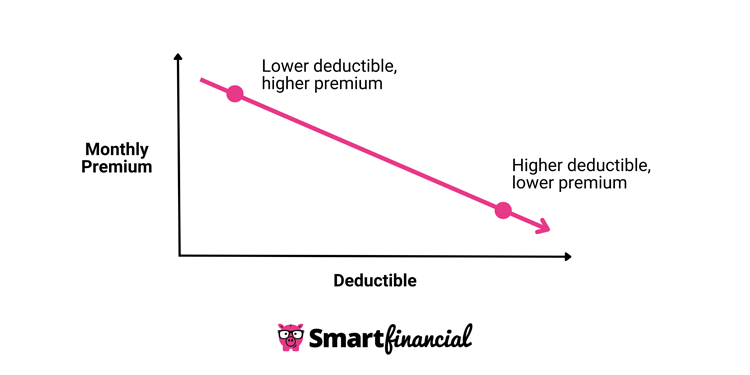
Raising your deductible often results in a lower premium, as you’re opting to take on more of the financial burden if you make a claim. While raising your deductibles can help you lower your monthly premium costs, ensure you don’t raise them higher than you can afford to cover if you need to make a claim.
4. Check for Gaps in Coverage
You may have gaps in what your insurance covers that you haven't considered before. For example, as we mentioned earlier, homeowners insurance typically does not cover flood damage. Additionally, you’re unlikely to get coverage for earthquake damage without an additional policy, and you may need to purchase separate windstorm coverage depending on where you live.[3][4]
You may also have a gap in your coverage limits compared to your property’s value. For example, if you don’t have enough dwelling coverage for your home, you may be left with excessive out-of-pocket expenses for repairs if your house is lost in a fire.
5. Consider Additional Coverage Options
When reviewing your insurance policies, you may notice coverage you don’t have that might be beneficial. For example, if you’re considering a road trip after the weather warms up, it may be a good idea to purchase roadside assistance to help you out if you get a flat tire or need a tow while driving. You might also consider collision and comprehensive auto coverage to protect your car from physical damage.
Purchasing additional homeowners insurance coverage, such as flood and earthquake damage, could be beneficial, as these aren’t typically included with standard homeowners insurance policies.[3] You may also want to consider purchasing a life insurance policy, which can help protect your family from financial burdens in the event of your death.
6. Check To See if You Qualify for Discounts
While some insurance providers may automatically apply qualifying discounts, others may require you to update your information before the discounts take effect. For example:
- If your vehicle mileage has significantly decreased because you started working remotely and don’t commute to the office as often, informing your insurer could result in a low-mileage discount on your auto liability coverage.[5]
- If your child earned high grades in the previous school semester, your shared car insurance policy may qualify for a good-student discount.[5]
- Informing your insurer that you’ve upgraded to impact-resistant windows could help you save as much as 45% on the windstorm portion of your premium.[6]
- Installing fire alarms and residential sprinklers could help you save up to 5%, depending on your location and the insurance provider.[7]
- Installing a security device, like a smart-home security camera, could also result in discounts on your home insurance premiums.[8]
7. Shop and Bundle
Even if you find you’re satisfied with the types of coverage you have, it’s still worth shopping around when spring cleaning your policies to ensure you’re getting the best deal. Many insurance providers use different underwriting methods and offer discounts that your current insurance company may lack, meaning you could save on your monthly expenses merely by switching. Try to get quotes from three to five different insurance companies to get a range of available premium options.
It's also worth considering the benefits of bundling, which can help you save on your premiums simply by keeping your policies with the same company. For example, bundling your homeowners and auto insurance could result in savings of 10% to 40%, depending on your insurer and other factors.[9][10]
8. Connect With an Insurance Agent
Gathering quotes to compare insurance rates can be tedious, as you’ll need to provide information relevant to each type of insurance to each provider individually. This can make spring cleaning your insurance more time-consuming and frustrating. Consider speeding up the process by using an insurance marketplace such as SmartFinancial. After answering a brief questionnaire, we can connect you with a licensed insurance agent to help you get the coverage you need.
- Insurance quotes /
- Insurance Review
Preston Micalizio writes insurance content for SmartFinancial. He brings three years of professional experience writing in various industries, from higher education to e-commerce. He strives to engage with the audience, provide accurate reporting and make complex subjects easily digestible.


Get a Free Insurance Quote Online Now.
More on Insurance

Get a Free Insurance Quote.
Compare rates from dozens of companies in less than 3 minutes.