

5 Insurance Tasks To Tackle Before Fall Begins
 Written by Dylan Tate Written by Dylan Tate Dylan TateDylan Tate is an insurance content expert for SmartFinancial with over 300 articles about home, auto, business, health a... Read more |  Edited by Richard Murphy Edited by Richard MurphyRichard MurphyRichard Murphy manages content on SmartFinancial's website. With a strong background in content strategy and copywriting... Read more |
 Editorial Standards
 SmartFinancial Offers Unbiased, Fact-based Information. Our fact-checked articles are intended to educate insurance shoppers so they can make the right buying decisions. Learn More
From checking your policies for gaps in coverage to looking for ways to lower your premiums, there are multiple insurance-related tasks that you may want to take care of heading into fall. Your fall season insurance preparation checklist should also include shopping around to find out which insurer can offer you the best deal on the coverage you need.
Read below for a more comprehensive insurance checklist for the fall season, including insurance review tips and a rundown of the coverage types you need to protect against common fall safety hazards.
|
Key Takeaways
|


1. Review Your Insurance Policies
During your fall insurance preparation process, review your current policies to evaluate whether your premiums fit within your budget and whether you have the right amount of coverage. No matter how useful a certain insurance product could potentially be, you may be overinsured if the premiums create a significant financial strain or force you to cut other important expenses.
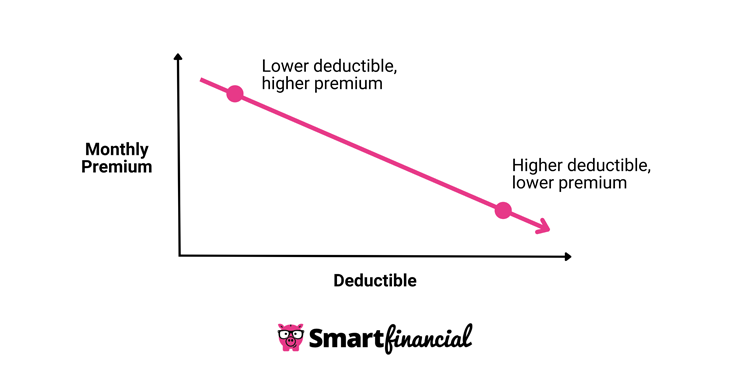
One way to keep insurance prices manageable is to drop unnecessary coverages from your policies. For example, if you have an older car that’s fully paid off, you can likely cancel your physical damage insurance if the vehicle is worth less than 10 times the amount you’d have to pay for coverage.[1] You can also typically lower your premiums by raising your deductibles — as long as you have enough money in savings to cover a higher deductible in case of a claim.
Also, check the updated value of your covered property to see if your insurance coverage limits have kept pace with inflation. If you’ve obtained new, valuable property since your last insurance review, you may need to raise your coverage limits. Maintaining a home inventory is a useful way to track the value of your most important belongings and determine whether you need more personal property coverage.
|
Type of Insurance |
Why It Matters in Fall |
|---|---|
|
Helps pay for costly repairs to your home or personal belongings after damage from common autumn hazards, such as windstorms and fires |
|
|
Covers flood damage to your property, which is otherwise excluded from homeowners insurance coverage |
|
|
Protects against the upticks in animal strikes and other deadly collisions that commonly occur in fall |
|
|
Comes up for renewal for Health Insurance Marketplace plan members in the fall |
|
|
Helps prevent unexpected accidents or liability claims from putting your company out of business |
|
|
Can help cover final expenses, mortgage payments and other outstanding costs for your loved ones in case you die while they are still reliant on your income |
2. Assess Your Coverage Needs
Your insurance coverage needs can change over time, so it’s important to consider whether your current insurance policies adequately account for the risks you face in your day-to-day life. For example, if you recently started driving for Uber or a similar service, you may need to add a rideshare insurance endorsement to your car insurance policy to fully cover the risks associated with your work.
On the other hand, changes in your circumstances could open up opportunities for you to scale back your insurance coverage. For example, if you recently shifted your retail business into a fully remote e-commerce store, you may be able to trim down your general liability coverage limits, since there’s no longer a risk of customers getting injured on your business premises.
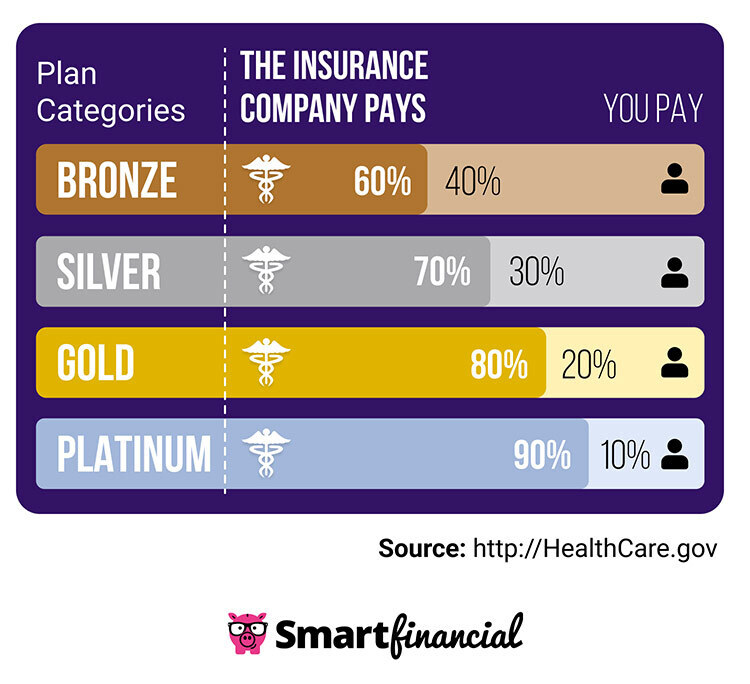
It’s particularly important to consider whether your health care needs have changed before open enrollment begins on the Health Insurance Marketplace on Nov. 1.[2] For example, if you recently developed a chronic illness that necessitates frequent treatments, you may want to switch to a higher-tiered plan that will cover a greater percentage of your medical costs.
3. Update Your Beneficiaries
While life insurance can sometimes feel like a “one-and-done” purchase, there are times when it may make sense to update the list of beneficiaries who will receive a payout if you die while the policy is active. For example, if you’ve gotten divorced and remarried since purchasing your life insurance, it may make sense to remove your former spouse from the policy and add your new spouse as a beneficiary instead.
Additionally, consider adding contingent beneficiaries who can claim the death benefit if your primary beneficiaries aren’t available to do so. For example, if your child has started a family since you last updated your life insurance coverage, you may want to add their spouse and children to the policy as contingent beneficiaries. That way, your child-in-law and grandchildren can still benefit from your policy, even if your child dies before you.
4. Compare Rates
Every insurance company has its own underwriting formulas that it uses to calculate risk, so it’s important to compare quotes from around three to five different insurers before settling on a policy to see which carrier offers the best deal for someone in your situation — especially if you’ve recently experienced a life change that could lead to higher insurance rates.
For example, teenage drivers are more likely to get into car accidents than drivers in any other age group, and they generally have to pay more for auto insurance as a result.[3] For this reason, it may be beneficial to shop around to prevent or mitigate a burdensome rate hike if you plan to add a child who just turned 16 to your car insurance policy.
5. Shop for Discounts
Going into the autumn months, there are several steps you can take to save money on your insurance policies, including homeowners and car insurance. Examples of common discounts include the following:
- Bundling: If your insurer offers several different insurance products, you may be able to earn a discount by bundling multiple policies together. For example, you may save money by purchasing both home and auto insurance from the same insurance provider.
- Loss prevention: Insurance companies often offer discounts to policyholders who install technology or implement other measures to lower the odds that they’ll need to file an insurance claim. Examples of loss prevention measures that could lead to discounts include home security systems, anti-theft devices for cars and mandatory employee safety training for businesses.
- Preferred payment: Many insurance carriers will grant you a discount if you pay your insurance bills using the insurer’s preferred payment method. This may involve paying your premium for the entire year up front or using an electronic funds transfer (EFT).
- Occupational: You may qualify for an insurance discount based on your profession. For example, some insurance companies offer discounts to military personnel and first responders.
- Loyalty: By staying with the same insurance company for several years, you could eventually qualify for discounted rates and potentially other benefits.
- Claim-free: Insurers often reward low-risk policyholders by offering discounts to people who go an extended period of time without filing any insurance claims.
- New property: It may be cheaper to insure a new car or home than an older one, depending on your insurance company.
Common Insurance Claims During the Fall Season
Throughout autumn, there’s a higher risk of certain kinds of hazards that may require you to file a claim on your home, auto or other insurance policy. Here are examples of common losses that may result in insurance claims during the fall season:[4][5][6][7]
- Wind damage
- Hurricane-induced flooding
- House fires
- Fatal car crashes
- Collisions with deer and other animals
Fall Season Insurance Preparation at a Glance
- Definition: Fall season insurance preparation refers to the process of going over your insurance coverage needs and making sure you’re paying as little as possible for the policies you need to protect yourself and your loved ones this autumn.
- Insurance review: It’s recommended that you review your insurance policies heading into fall to make sure they still adequately address the risks you most often face and look for opportunities to cut costs.
- Risk assessment: To make sure your policies are effectively working for you, consider how your coverage needs or the risks you face may have changed since your last insurance review. This is especially important to consider prior to health insurance open enrollment, which begins on the Marketplace each year in November.
- Life insurance check: If there have been any major changes in your family in recent years — such as a divorce or a new child — you may need to add beneficiaries to or remove beneficiaries from your life insurance policy.
- Comparison shopping: One insurance company may offer you a lower premium than another insurer on the same level of coverage. As a result, it’s important to shop around periodically to make sure you’re getting the best deal possible on the insurance coverage you need.
- Cost-saving opportunities: You may qualify for an insurance discount if you bundle policies, go many years without filing a claim, take steps to lower your chances of filing a claim or pay your full premium for the year in one sitting.
- Common autumn risks: Hazards that are especially common in fall and may lead to insurance claims include windstorms, floods, house fires and deadly collisions with animals or other vehicles.
How To Shop for Insurance This Fall Season
For the most straightforward comparison shopping process possible, consider going through SmartFinancial. Once you fill out a short questionnaire, we’ll connect you with an insurance agent who can help you compare free quotes for various types of policies. Click here to select the type of coverage you need and start comparing insurance quotes today!
- Insurance quotes /
- Fall Season Insurance Preparation
Dylan Tate is an insurance content expert for SmartFinancial with over 300 articles about home, auto, business, health and life insurance under his belt. He has over nine years of experience writing for online publications, primarily about gaming and esports. In the process, he has become an expert in search engine optimization, news reporting, feature writing and copy editing.


Get a Free Insurance Quote Online Now.
More on Insurance

Get a Free Insurance Quote.
Compare rates from dozens of companies in less than 3 minutes.