

How To Get Car Insurance Discounts for First Responders
 Written by Preston Micalizio Written by Preston Micalizio Preston MicalizioPreston Micalizio writes insurance content for SmartFinancial. He brings three years of professional experience writing ... Read more |  Edited by Richard Murphy Edited by Richard MurphyRichard MurphyRichard Murphy manages content on SmartFinancial's website. With a strong background in content strategy and copywriting... Read more |
 Editorial Standards
 SmartFinancial Offers Unbiased, Fact-based Information. Our fact-checked articles are intended to educate insurance shoppers so they can make the right buying decisions. Learn More
Depending on their insurance carrier, car insurance for first responders may be more affordable thanks to exclusive discounts. However, these discounts aren’t available from all car insurance companies and may apply only to certain first responder professions, making it all the more important to shop around to get the best deal.
Keep reading to learn more about the types of insurance you should consider as a first responder, what can influence your rates and how to qualify for first responder discounts.
|
Key Takeaways
|
On This Page

What Types of Car Insurance Should a First Responder Consider?
Is Car Insurance More Expensive for First Responders?
What Is the Average Car Insurance Rate for First Responders?
Do First Responders Get Car Insurance Discounts?
Ways First Responders Can Save on Car Insurance
How To Get Car Insurance for First Responders
FAQs

What Types of Car Insurance Should a First Responder Consider?
First responders will likely need minimum liability car insurance coverage, which is required in most states. This includes both bodily injury liability, which covers the other person’s injuries after an accident, and property damage liability, which covers damages you cause to someone else’s car in an accident. Below are a few other insurance products first responders may want to consider, which may be optional depending on the state they live in or if they’re financing their vehicle:
- Comprehensive: Helps cover non-collision damage, including theft, vandalism and weather-related incidents.
- Collision: Helps cover the cost of damage to your car after a crash, regardless of who is at fault.
- Medical payments (Medpay): Helps cover medical bills for you and your passengers.
- Personal injury protection (PIP): Similar to Medpay but may also cover lost wages and other expenses.
- Uninsured motorist (UM): Helps cover your injuries if the at-fault driver has no insurance.
- Underinsured motorist (UIM): Helps when the other driver’s insurance isn’t enough to cover your losses.
- Gap coverage: Covers the difference between what you owe on a financed car and its actual value.
- Rental car reimbursement: Helps cover the cost of a rental car while your vehicle is being repaired after a covered loss.
- Roadside assistance: Typically covers services such as towing, jump-starts and flat tire changes.
Is Car Insurance More Expensive for First Responders?
Car insurance typically isn’t more expensive for first responders compared to the average driver.[1] Factors for underwriting are typically based on age, the type of car you drive, your coverage levels, whether you have a clean driving record and other types of personal information.
That said, there are some instances where first responders may not be able to save as much as drivers in other professions. For example, many insurance companies offer telematics discounts, which utilize real-time driving habits, such as mileage and the time of day driven, to adjust premiums. Many first responders may need to commute late at night due to their work hours, which could negatively impact their premiums, as telematics programs may view this as a riskier time to drive.[2]
What Is the Average Car Insurance Rate for First Responders?
First responders will likely pay about the same premium rates as the typical driver.[1] Rates will typically depend on whether you choose full or minimum coverage, with full coverage having an average monthly premium of $223 and minimum coverage having an average monthly premium of $67.[3] Discounts, including a first responder discount if they’re available, can help lower your costs.
Do First Responders Get Car Insurance Discounts?
First responders may be eligible for discounts on car insurance due to their profession, although these discounts are not always available from every insurer. Below are a few insurers that offer first responder discounts:
|
Insurance Company |
Discount |
|---|---|
|
Up to 12%[4] |
|
|
Varies[5] |
|
|
Up to 15%[6] |
|
|
California Casualty |
Varies[7] |
Please note that these discounts may not be available in all states. For example, Liberty Mutual doesn’t offer discounts for first responders in several states, including California and New York.[4]
Who Qualifies for a First Responder Car Insurance Discount?
Eligibility for a first responder car insurance discount varies among carriers but may be limited to specific professions or require membership in a qualifying organization. For example, Country Financial offers its first responder discount to full-time firefighters, law enforcement officers, EMTs and paramedics.[6] Liberty Mutual, however, only offers this discount to current and former law enforcement officers who are members of the Fraternal Order of Police organization.[4][8]
Ways First Responders Can Save on Car Insurance
Outside of a profession-based discount, there are other ways that first responders can reduce their auto insurance premiums. For example, first responders may opt for a less expensive car, as luxury vehicles can be more costly to repair after an accident. Pricier cars typically have higher insurance premiums to compensate for their higher value.[9]
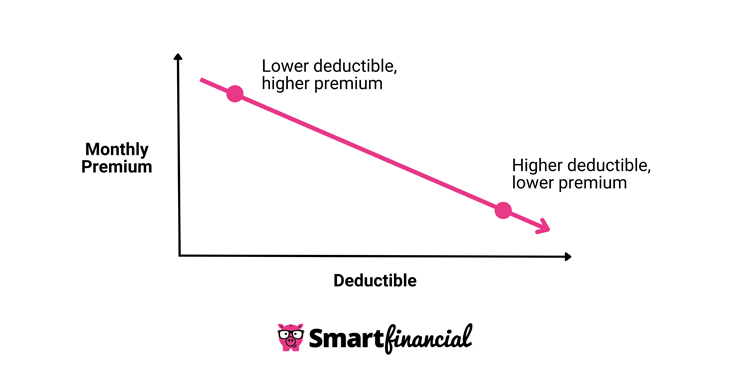
First responders may also consider increasing their deductibles, which can, in turn, lower their premiums. Keep in mind that a higher deductible means more out-of-pocket expenses when making a claim, so ensure you don’t raise it higher than necessary, or you could face a financial burden after an accident.
You can also take advantage of other special discounts unrelated to your profession, including discounts for bundling with home insurance or for maintaining safe driving habits. Avoid making unnecessary claims, such as when your claim amount barely exceeds your deductible, or making risky choices that could lead to an accident or claim, like driving while tired. Even a single auto insurance claim could result in a reassessment of your risk by your insurer and an increase in your monthly premiums.[10]
How To Get Car Insurance for First Responders
You’ll likely need to shop around to get the best deal on car insurance, including finding an insurance carrier that offers a discount for being a first responder or for other reasons you qualify for. Try getting quotes from three to five different insurance companies to get a range of options. You’ll need to provide them with personal information, such as your location, age and profession, as well as details about your car, including its make, model and annual mileage.
Keep in mind that this process can become tedious, as you’ll likely need to get quotes one at a time from each insurer. Consider speeding up this process by using an insurance marketplace like SmartFinancial. After answering a brief questionnaire, we can connect you with a licensed insurance agent to help you get the right car insurance coverage for your needs. Click here for a free car insurance quote today!
- Insurance quotes /
- Auto /
- Car Insurance For First Responders
Preston Micalizio writes insurance content for SmartFinancial. He brings three years of professional experience writing in various industries, from higher education to e-commerce. He strives to engage with the audience, provide accurate reporting and make complex subjects easily digestible.


Get a Free Auto Insurance Quote Online Now.
More on Auto Insurance
Looking for Auto Insurance?
Compare rates from dozens of companies in less than 3 minutes.