

What Is a Coinsurance Clause in Business Insurance?
 Written by Preston Micalizio Written by Preston Micalizio Preston MicalizioPreston Micalizio writes insurance content for SmartFinancial. He brings three years of professional experience writing ... Read more |  Edited by Richard Murphy Edited by Richard MurphyRichard MurphyRichard Murphy manages content on SmartFinancial's website. With a strong background in content strategy and copywriting... Read more |
 Editorial Standards
 SmartFinancial Offers Unbiased, Fact-based Information. Our fact-checked articles are intended to educate insurance shoppers so they can make the right buying decisions. Learn More
You'll likely find a coinsurance clause in your commercial property insurance policy. This clause outlines how much insurance coverage you must carry in relation to the replacement cost of your business property. Meeting this requirement helps share financial responsibility with your insurer — but falling short of the required limit could result in a reduced payout if you make a claim.
Keep reading to learn more about coinsurance clause requirements, why insurers include them in commercial policies and the penalties for not having enough coverage in place.
|
Key Takeaways
|


How Does Coinsurance Work With Business Insurance?
Coinsurance is a provision in commercial property insurance that requires you to insure your property up to a specified percentage of its total cost. The insurer typically sets this percentage between 80% and 100% of the property’s value. For example, if your commercial building is valued at $1 million, you’d need at least $800,000 in coverage to meet an 80% coinsurance clause requirement.[1][2]
We’ll explain how these penalties work in the next section.
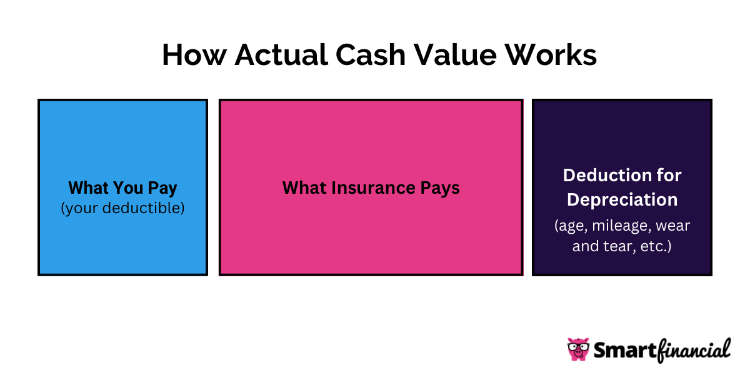
The amount of coverage you need also depends on whether your commercial property policy uses actual cash value (ACV) or replacement cost value (RCV).[3] For instance, ACV policies factor in depreciation, which may reduce the amount needed to meet the coinsurance clause threshold.
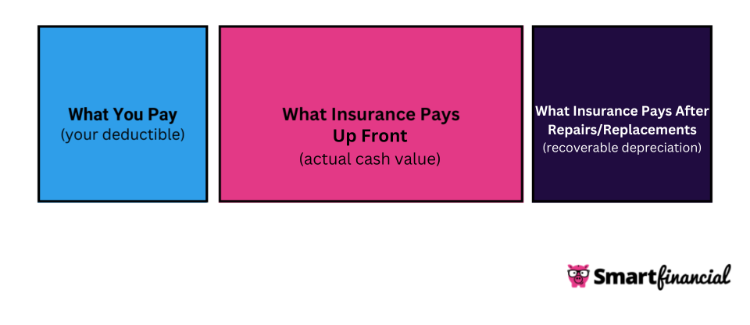
In contrast, an RCV policy bases coverage on the cost to replace the property without factoring in depreciation. These policies typically come with higher premiums and may result in higher coinsurance clause requirements, since depreciation is not deducted when calculating a claim.[4]
What Is a Waiver of Coinsurance?
An insurer may occasionally offer a waiver of coinsurance, removing the requirement to meet the full coinsurance amount if the selected coverage limit is deemed acceptable. This is typically added through an endorsement that sets an agreed-upon amount for the coverage period. In exchange, you’ll likely pay a higher premium — but your insurer assumes more of the financial responsibility if you file a large claim.[5]
What Is a Coinsurance Penalty Clause?
A coinsurance penalty clause is a provision in your business insurance policy stating that if you don’t carry the required amount of coverage, you’ll pay more out of pocket when filing a claim.[1]
Returning to the earlier example, suppose your commercial property is valued at $1 million, and your coinsurance requirement is 80% — meaning you’re required to carry at least $800,000 in coverage. If you purchased only $600,000 in coverage to reduce premium costs, you may receive only a partial payout, even if your claim is well below your policy limits.[1]
Your penalty is calculated by dividing the coverage you purchased by the amount you were required to carry. In this case, $600,000 ÷ $800,000 = 0.75, meaning you’d only receive 75% of the payout after your deductible is applied. For example, if you file a $50,000 claim and have a $2,000 deductible, you’d only receive $36,000 — leaving you responsible for your deductible plus an additional $12,000 out of pocket.[1]
Why Do Insurance Companies Have Coinsurance Clauses?
There are a few reasons why your insurer may include coinsurance clauses in a commercial property insurance policy:[1]
- Helps ensure adequate coverage: Business owners may try to keep policy limits low to save on premiums — but this can leave them underinsured if major property damage occurs. Coinsurance requirements encourage policyholders to carry sufficient coverage.
- Shares the financial burden: Coinsurance is a form of cost-sharing that spreads the financial responsibility for a claim between the insurer and the policyholder.
- Improves underwriting accuracy: By requiring coverage tied to the property’s full value, insurers can more precisely assess risk and set premiums that reflect the actual exposure.
- Supports timely claims payouts: When coverage reflects the full replacement cost of the property, insurers are better equipped to cover large losses — which can lead to faster and more complete claims payments.
How To Get Business Insurance
Getting the right business insurance policy for your commercial property means finding coverage with a coinsurance clause that aligns with your goals — or a waiver of coinsurance if available. Gather quotes from at least three to five insurers to compare your options, including potential benefits and discounts. This process can be time-consuming, as you typically need to request quotes individually.
You can streamline your search by using an insurance marketplace like SmartFinancial. After answering a brief questionnaire about your business and coverage needs, we’ll connect you with a licensed insurance agent who can help you find the right commercial policy. Click here for a free commercial insurance quote today!
- Insurance quotes /
- Commercial /
- Coinsurance Clause
Preston Micalizio writes insurance content for SmartFinancial. He brings three years of professional experience writing in various industries, from higher education to e-commerce. He strives to engage with the audience, provide accurate reporting and make complex subjects easily digestible.


Get a Free Commercial Insurance Quote.
More on Commercial Insurance

Looking for Commercial Insurance?
Compare rates from dozens of companies in less than 3 minutes.