

Tesla Cybercab Insurance: Requirements, Coverage and Costs Explained
 Written by Dylan Tate Written by Dylan Tate Dylan TateDylan Tate is an insurance content expert for SmartFinancial with over 300 articles about home, auto, business, health a... Read more |  Edited by Richard Murphy Edited by Richard MurphyRichard MurphyRichard Murphy manages content on SmartFinancial's website. With a strong background in content strategy and copywriting... Read more |
 Editorial Standards
 SmartFinancial Offers Unbiased, Fact-based Information. Our fact-checked articles are intended to educate insurance shoppers so they can make the right buying decisions. Learn More
While Tesla’s Cybercab robotaxis are not yet for sale, business owners who have expressed interest in obtaining a Cybercab may want to start thinking about insurance now. A Tesla Cybercab insurance policy may need to include commercial auto insurance and other business insurance coverage types, such as general liability and cyber insurance.
Continue reading to learn more about insurance for Tesla Cybercabs, including how liability may be determined after an accident and what the process of insuring a Tesla Cybercab may be like.
|
Key Takeaways
|
On This Page

What Is the Tesla Cybercab?
Do Tesla Cybercabs Need Insurance?
How Could Tesla Cybercab Insurance Work?
Who Is Liable if a Tesla Cybercab Causes an Accident?
What Insurance Coverage Does a Cybercab Owner Need?
How Much Could Tesla Cybercab Insurance Cost?
How Autonomous Driving Could Change Commercial Auto Insurance
Cybercab Insurance vs. Traditional Taxi Insurance
Could Autonomous Vehicles Eventually Lower Insurance Costs?
Cybercab Insurance Requirements by State
Tesla Cybercab Insurance at a Glance
How Can Businesses Prepare To Insure a Tesla Cybercab?
Frequently Asked Questions

What Is the Tesla Cybercab?
The Cybercab is a self-driving car developed by Tesla. Designed to be fully autonomous, the Cybercab doesn’t have gas and brake pedals or a steering wheel. It’s one of two robotaxi vehicles — along with the Model Y — used by Tesla to offer driverless ridesharing services across a handful of cities in Florida and Texas, including Miami, Tampa, Dallas and Houston.[1]
Like standard taxicabs, Cybercabs are primarily designed for commercial use rather than personal use. Currently, Cybercabs aren’t available to purchase. That said, Tesla’s website features an interest form that business owners can use to signal their interest in buying a Cybercab fleet or participating in event planning or infrastructure development related to Cybercab deployment.[2]
Do Tesla Cybercabs Need Insurance?
Insurance is likely mandatory for Tesla Cybercabs because commercial auto insurance is required by law for businesses that use vehicles to conduct commercial activities in most states. At a minimum, you’ll need auto liability insurance. Depending on your state, you may also need uninsured and underinsured motorist coverage, medical payments coverage or personal injury protection.[3]
|
Reason To Buy Tesla Cybercab Coverage |
Explanation |
|---|---|
|
Protection from out-of-pocket losses |
Unless you have commercial insurance with adequate limits, you could face potentially devastating out-of-pocket costs if you’re held liable for an accident or some other claim related to your Cybercab |
|
Demonstration of financial security |
Maintaining ample insurance coverage shows your commitment to safety and fiscal responsibility, which may make your business more attractive to clients and prospective business partners |
|
Legal requirements |
Certain types of insurance — including commercial auto coverage — may be required by law, meaning you could face legal penalties for failing to carry a policy in compliance with your state’s laws |
How Could Tesla Cybercab Insurance Work?
Since Cybercabs are made for businesses instead of consumers, they’ll likely need to be covered by commercial insurance rather than private passenger auto insurance. The specific method of obtaining coverage may vary based on who owns the vehicle.
Tesla-Owned Cybercab
Tesla’s website confirms that its proprietary robotaxis are insured — though precise insurance details aren’t available unless you have a specific Cybercab’s vehicle identification number.[4] Keep in mind that Tesla Insurance offers personal auto insurance policies to Tesla owners in several states, so the company may have the means to self-insure against car accidents involving the Cybercabs it operates in Texas and Florida.[5]
Business-Owned Cybercab
Once businesses can buy their own Cybercabs, each business owner may need to obtain fleet insurance for their Cybercab vehicles — whether through Tesla or another insurance company. Tesla doesn’t yet offer a commercial auto insurance product, but it announced its intention to do so eventually when it first launched Tesla Insurance in 2019 — so it could begin selling business auto insurance as soon as Cybercabs become more widely available.[6]
Individually Owned Cybercab Used Commercially
Even if you only acquire a single Cybercab, you’ll still need business insurance to cover it while it’s used for commercial purposes. However, many car insurance companies offer ridesharing endorsements for private passenger policies, potentially allowing you to bundle your personal and commercial coverage for personally owned autonomous vehicles under a single car insurance policy.[7]
Who Is Liable if a Tesla Cybercab Causes an Accident?
Determining liability for an accident involving a Tesla Cybercab may be complicated. With standard human-driven cars, responsibility for a collision generally falls to the at-fault driver or drivers, and an investigation may simply need to focus on determining who’s at fault. However, in the event of a robotaxi accident, there may not be a human on the scene who can be considered at fault for the crash.
As a result, various external factors may need to be taken into account to determine who should be held liable after a Cybercab accident. Depending on the circumstances, any of the following entities could be forced to step in to cover relevant repair and medical expenses following a commercial vehicle accident involving a Cybercab:[8]
|
Who Could Be At Fault |
Example |
|---|---|
|
Tesla |
If a Cybercab gets into an accident due to a manufacturing flaw — such as an external camera that malfunctions and fails to detect road hazards — Tesla could be held liable for failing to properly and safely design or produce the vehicle |
|
Fleet operator |
The owner of a Cybercab could be held responsible for crashes that can be traced to poor maintenance or other executive failures on their part, like if a Cybercab’s tires blow out because the owner failed to have them inspected and replaced on schedule |
|
Third-party manufacturer or service provider |
External parties may be held liable if they make a mistake that plays a role in a Cybercab accident, including a manufacturer responsible for making an individual part that malfunctions or a technician who makes an error when servicing the Cybercab’s batteries |
|
Other parties |
Even if a Cybercab crashes into another vehicle, the driver of that vehicle could face some liability if their actions contributed to the collision, like if a speeding driver fails to brake in time and runs a red light before being struck by a Cybercab |
What Insurance Coverage Does a Cybercab Owner Need?
Several types of commercial insurance may be necessary to protect a Cybercab and other aspects of a robotaxi ridesharing business. In the upcoming sections, you’ll learn about some of the most important commercial coverage types to consider.
Commercial Auto Liability
Commercial auto liability insurance can take care of medical bills and property repairs for other people if your business is held liable for a collision that causes bodily injury or property damage — and potentially your legal expenses if the other person sues your company. Remember, auto liability insurance is usually required by law, and most businesses are advised to maintain at least $500,000 to $1 million worth of coverage.[3]
Physical Damage
Another important type of commercial auto insurance to consider is physical damage coverage, which takes care of your repairs or replacements if your Tesla Cybercab is damaged or totaled. Physical damage insurance can be further broken down into two main coverage types: collision insurance for damage from car accidents and comprehensive insurance for losses from theft, natural disasters and other external perils.
General Liability
General liability insurance is a foundational commercial insurance policy recommended for every business.[9] It can protect you from financial losses if someone gets hurt on your property or you’re held responsible for damage to their property — like if a customer visiting your office trips on a loose rug and hits their head on a desk. General liability insurance also covers your legal fees if you’re sued for copyright violations or defamation.
Some general liability insurance policies automatically include product liability insurance, which protects you if someone experiences a bodily injury or property damage because of a product your business makes, sells or uses.[10] This may be relevant for a Cybercab owner because liability for an accident may be traced to the vehicle itself rather than an employee of the company.
Cyber Liability
Any business that relies heavily on highly automated systems with complex connections and data storage capabilities needs cyber insurance to protect against first-party and third-party losses stemming from cybercrimes. While standard cyber liability insurance policies may be designed for data breaches more so than car hacking incidents, some commercial insurers offer specialized auto cyber insurance products.
Commercial Umbrella/Excess Liability
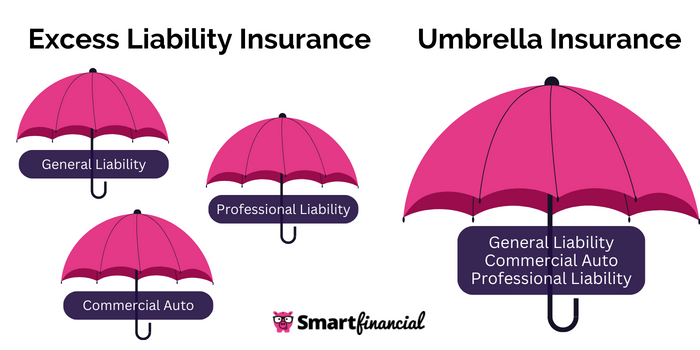
Excess liability insurance can provide extra coverage if an especially costly claim uses up all of the available coverage for one of your underlying liability insurance policies, such as general, cyber or auto liability insurance. Many businesses opt for commercial umbrella insurance — a type of excess liability coverage that raises the coverage limits for multiple underlying liability policies at the same time.
Workers’ Compensation
Most businesses are required by law to maintain workers’ compensation insurance, depending on their state, industry and number of employees.[13] Although you naturally won’t have to employ any drivers to operate a Cybercab business, you may still need workers’ compensation insurance if you have multiple employees handling the oversight or maintenance of your fleet.
Business Interruption
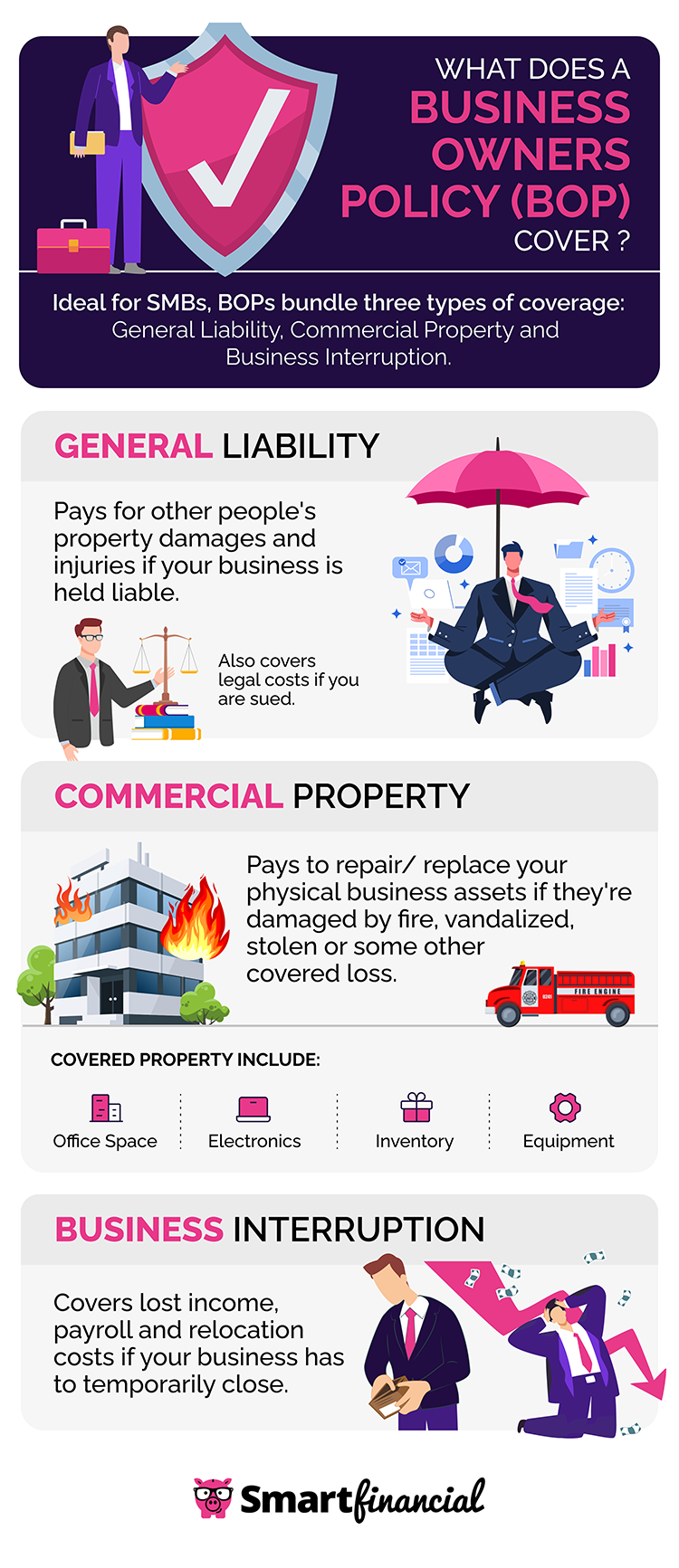
Business interruption insurance refers to the portion of a commercial property insurance policy that covers lost income, payroll, temporary relocation costs and other ongoing expenses if you must pause your normal business operations because of a covered peril, such as fire, theft, burst pipes or storms.[14] Small businesses can often save money by bundling general liability, commercial property and business interruption coverage into a business owners policy.
How Much Could Tesla Cybercab Insurance Cost?
It’s too early to know exactly how much it will cost to insure a Tesla Cybercab. See the list below for an overview of factors that commonly impact commercial auto insurance rates and how these factors may come into play for Cybercabs:[15]
- Type of business: How you use commercial vehicles determines your likelihood of filing claims and influences your business insurance costs. This factor should be fairly standardized across Cybercab owners if the vehicles are exclusively used for autonomous ridesharing, but it could vary if businesses are allowed to use their Cybercabs for other purposes, such as transporting goods.
- Driving record: Along with looking at the amount of time vehicles spend on the road, commercial auto insurance underwriters must evaluate the likelihood of any given vehicle being involved in an accident. Because Cybercabs don’t have human drivers, their insurance premiums may be based on the vehicle’s overall safety record rather than the driving history of an individual employee.
- Value of vehicles: Since your insurer has to pay out the actual cash value of a covered vehicle after a total loss, high-value cars are generally more expensive to insure. Tesla CEO Elon Musk has said Cybercab prices will start at less than $30,000, suggesting they may qualify for lower insurance rates — though, if true, that price would be well below the current cheapest Tesla model.[16][17]
- Location: Several location-based factors can influence the likelihood that you’ll file a business insurance claim related to your Cybercab, including local rates of car accidents, uninsured drivers, thefts, vandalism incidents or natural disasters. As a result, business owners in higher-risk regions can expect to pay more for coverage.
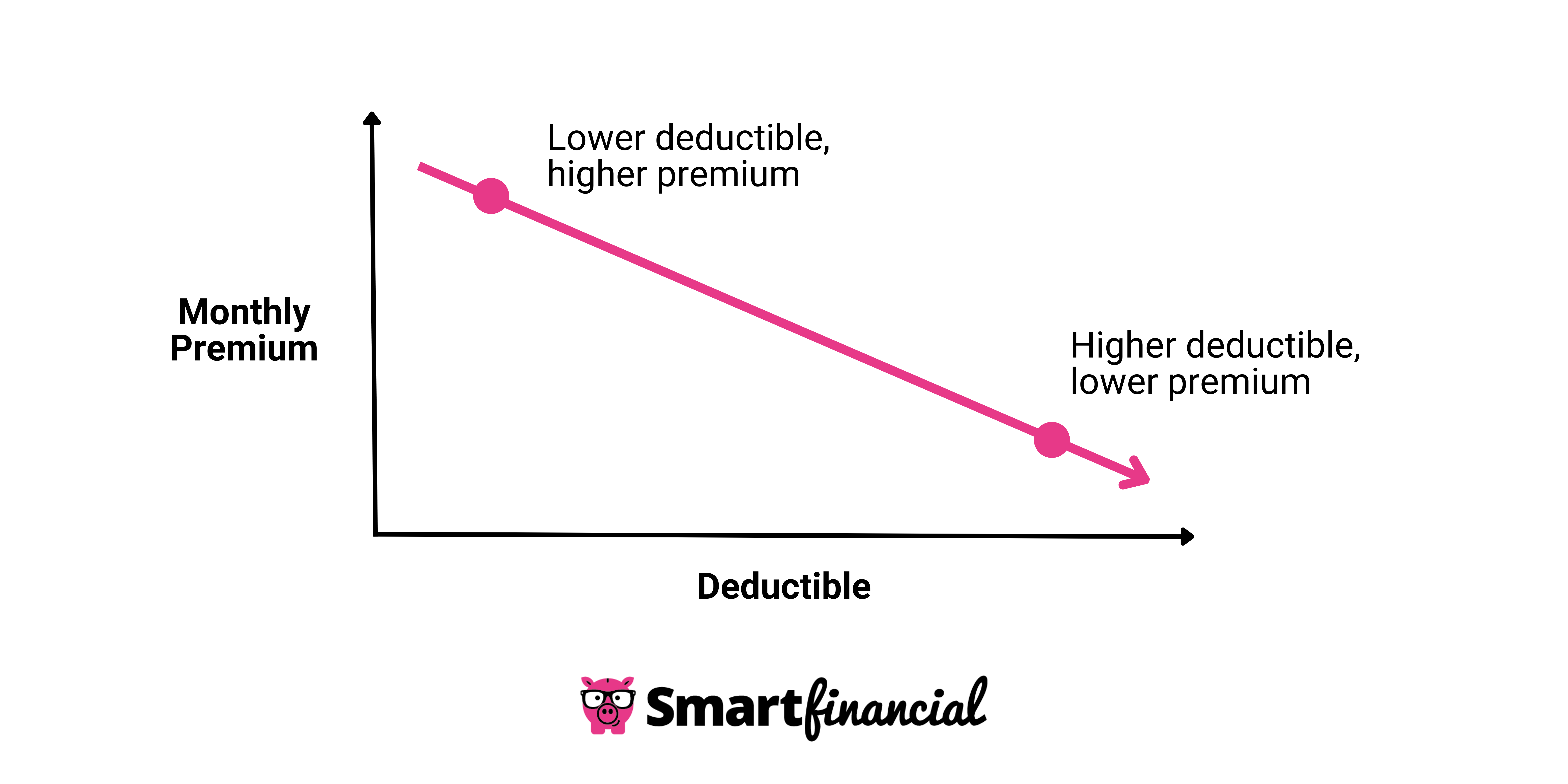
- Coverage details: Naturally, the specific coverage types, limits and deductibles you select will also affect how much your Tesla Cybercab liability insurance policy costs. In general, you can lower your premiums by choosing a higher deductible for applicable policies.
How Autonomous Driving Could Change Commercial Auto Insurance
Autonomous vehicles like the Cybercab will almost definitely need to be insured just like human-operated cars, but the different risks they pose may require business insurance carriers to adjust their underwriting criteria or even develop new coverage options. Standard insurance policies may not adequately address the risks associated with self-driving cars, as they assess liability based on human-made decisions rather than machine-automated actions.
Nevertheless, customized commercial insurance may still be the best risk transfer mechanism for autonomous cars. If product liability lawsuits are the only way to be reimbursed after a Cybercab crash, claimants could have to wait years for lengthy court cases to be resolved in order to be reimbursed. Conversely, insurers can investigate and pay out claims quickly and then seek reimbursement from manufacturers through subrogation if necessary.[18]
Cybercab Insurance vs. Traditional Taxi Insurance
Given the differences in how they are operated and what risks they face, Cybercabs and traditional cabs may have different insurance requirements and liability considerations. The following table goes over some key points to consider when comparing Cybercab Tesla insurance and standard taxi insurance:
|
Traditional Taxis |
Tesla Cybercabs |
|
|
Who Drives |
People who have driver’s licenses and have undergone vetting in the hiring process |
Automated vehicles that operate without the possibility of direct human intervention |
|
Who’s Liable for Accidents |
The person driving the vehicle or their employer |
Potentially several different entities, such as the manufacturer, the Cybercab owner and other drivers or service providers |
|
Relevant Insurance Policies |
Covered by a specialized commercial auto insurance coverage type known as for-hire livery insurance |
May need to be covered by product liability insurance or other bespoke commercial auto policies |
Could Autonomous Vehicles Eventually Lower Insurance Costs?
More widespread adoption of autonomous vehicles could eventually lead to lower car insurance costs across the board, especially if these cars can consistently lead to lower crash rates. Though the collection of data surrounding self-driving vehicles is still in its infancy, a 2026 study found that Waymo’s driverless rideshare vehicles are involved in fewer collisions than human-driven cars.[19]
In some cases, data pointing to the safety of autonomous driving is already leading to auto insurance savings. For example, Tesla owners who sign up for pay-per-mile car insurance through Lemonade can save 50% on miles during which they engage the Full Self-Driving program — since Tesla’s data shows that accidents are half as common while Full Self-Driving is engaged.[20]
Nevertheless, certain factors could drive up commercial auto insurance rates for autonomous vehicles. For example, if these cars have high repair or replacement costs, they may have correspondingly high insurance premiums. In addition, if glitches arise that can make automated cars malfunction and crash, insurance companies may view vehicles that don’t give passengers the option to take control as a higher risk to cover.
Cybercab Insurance Requirements by State
Remember that each state has its own car insurance requirements, so the amount and types of coverage you need for a Cybercab may vary by state. Usually, minimum liability coverage limits are the same for both commercial and personal policies within any given state.[21] However, much higher coverage limits may be recommended for autonomous vehicles due to their potential to rack up extremely high repair bills in the event of a crash.[18]
Tesla Cybercab Insurance at a Glance
- Definition: Tesla Cybercab insurance refers generally to a business insurance policy that could provide coverage for the operations of an autonomous ridesharing business using Cybercabs.
- Availability: Cybercabs aren’t yet available for purchase, but interested businesses can sign up to potentially obtain a Cybercab or participate in event organization or infrastructure development through Tesla’s website.
- Liability: Self-driving vehicles complicate the usual methods of assigning liability in the event of a car accident. Instead of a human driving a car, the entity held liable for a collision could end up being the manufacturer, the vehicle owner, a third-party service provider or some other external party.
- Coverage: You may need various insurance products for your autonomous rideshare company, potentially including general liability, commercial auto, cyber liability and workers’ compensation insurance. Cybercabs could also require customized commercial insurance policies to fully address their unique risks.
- Cost: Once Tesla Cybercabs become widely available, the cost to insure them may depend on factors like the vehicle’s overall safety record, where they are operated, how they are used, how much they cost and the individual policyholder’s coverage details.
- Savings opportunities: Early research suggests that autonomous cars are involved in fewer vehicle accidents than traditional cars, which could result in lower commercial auto insurance premiums for Cybercab operators over time.
How Can Businesses Prepare To Insure a Tesla Cybercab?
If you want to get started on insurance preparations so you’ll be ready whenever Cybercabs are released, take the following steps:
- Indicate your interest in purchasing a Cybercab on Tesla’s online sign-up page.
- Define how your business intends to use a Cybercab.
- Identify who will own and operate the vehicle.
- Review potential coverage needs and requirements.
- Assess whether your current insurer offers adequate coverage or whether a specialized policy may be necessary.
- Research insurance providers that are equipped to cover autonomous vehicles so you’ll be prepared to shop around once you can acquire your Cybercab.
- Insurance quotes /
- Commercial /
- Tesla Cybercab Insurance
Dylan Tate is an insurance content expert for SmartFinancial with over 300 articles about home, auto, business, health and life insurance under his belt. He has over nine years of experience writing for online publications, primarily about gaming and esports. In the process, he has become an expert in search engine optimization, news reporting, feature writing and copy editing.


Get a Free Commercial Insurance Quote.
More on Commercial Insurance

Looking for Commercial Insurance?
Compare rates from dozens of companies in less than 3 minutes.