

Do I Need Commercial Auto Insurance if My Business Vehicles Are Leased?
 Written by Preston Micalizio Written by Preston Micalizio Preston MicalizioPreston Micalizio writes insurance content for SmartFinancial. He brings three years of professional experience writing ... Read more |  Edited by Dan Marticio Edited by Dan MarticioDan MarticioDan Marticio is the content manager at SmartFinancial and has written 150+ articles across multiple insurance verticals.... Read more |
 Editorial Standards
 SmartFinancial Offers Unbiased, Fact-based Information. Our fact-checked articles are intended to educate insurance shoppers so they can make the right buying decisions. Learn More
Commercial auto insurance for leased vehicles is a requirement for driving in nearly every state. Additionally, your leaseholder may require additional coverage beyond minimum liability coverage to protect the car if it’s damaged in an accident or stolen.
Keep reading to learn more about the different types of coverage you might need for leased company vehicles, the cost of commercial auto coverage and how to find a policy that meets your needs.
|
Key Takeaways
|
On This Page

Do You Need Commercial Auto Insurance for Leased Vehicles?
What Types of Commercial Auto Insurance Are Available for Leased Vehicles?
How Much Does Commercial Auto Insurance for a Leased Vehicle Cost?
What Are the Benefits of Commercial Car Insurance for Leased Vehicles?
What Happens if You Don’t Have Coverage for a Leased Commercial Vehicle?
How To Find the Right Commercial Insurance Policy for Leased Vehicles
FAQs

Do You Need Commercial Auto Insurance for Leased Vehicles?
Provided you use the vehicle for business purposes, you’ll likely need commercial auto insurance for your car, whether it's leased or owned. While auto insurance is a requirement in nearly every state, standard auto insurance typically won’t cover a car used on behalf of a business. This is because many insurers view driving for business use as a higher risk of an expensive claim.[1]
However, if you're using a leased vehicle for work, you may need specialized commercial auto insurance, such as a hired and non-owned auto insurance policy. For example, some insurers, like The Hartford, won’t cover leased vehicles with their commercial auto policy.[2] However, other insurers, like State Farm, will.[3] If you’re planning on leasing, review your policy's limitations.
For example, your lease may require both collision and comprehensive coverage, and the lessor may purchase a costlier-than-average policy on your behalf and bill you for it if you don’t maintain that coverage.
What Types of Commercial Auto Insurance Are Available for Leased Vehicles?
Commercial auto insurance policies for leased vehicles will include liability coverage, which protects you from expenses your company is responsible for when causing an accident. However, coverage types are often optional regarding your commercial policy. Below, we’ll discuss some of the different coverage types that are available.
Liability Coverage
Liability insurance protects your business against damages caused when you or an employee is at fault and includes:
- Bodily injury liability: Covers another person’s injuries or fatalities
- Property damage liability: Covers damages caused to another person’s property
Physical Damage Coverage
Typically required by a lessor, physical damage coverage protects your leased vehicle when it’s damaged due to a car accident or a covered peril and includes:
- Collision: Covers damages to your commercial vehicle when hit by another object
- Comprehensive: Covers your car against non-collision physical damages like fire or vandalism
Additional Coverages
Other types of coverage may be available as optional policies or may be required by your state. Some of these coverages can include:
- Gap: Covers the difference between what your insurance pays you and the remaining amount you owe for your car’s lease if it’s stolen or totaled. Some leaseholders may require gap coverage as part of their lease agreement.
- Medical payments or personal injury protection (PIP): Covers payments for you and your employee’s medical costs, lost wages and funeral expenses after an accident, whether or not you or your employee are at fault. Some states require PIP or medical payments coverage.
- Uninsured/underinsured motorist: Covers injuries and may cover property damage when the at-fault driver doesn’t have car insurance or doesn’t have enough coverage, with some states making this coverage mandatory. It can also cover accidents involving hit-and-run drivers.[4]
- Hired and non-owned: Covers you for liability if in an accident in a car that is personally owned, rented or leased and used for business purposes. Keep in mind that if your leased vehicle is damaged, this type of coverage may not cover the vehicle’s repair or replacement.[5]
- Cargo insurance: Insures items that your vehicle or truck is transporting.
How Much Does Commercial Auto Insurance for a Leased Vehicle Cost?
The price of your commercial auto policy will vary between insurers, with commercial auto insurance cost factors often depending on how much coverage you buy, how long you’ve been in business and the type of vehicle being insured. For example, The Hartford customers can spend as much as $574 monthly on average.[1] However, most policyholders with NEXT Insurance could pay $100 to over $200 monthly for their commercial auto coverage.[6]
Keep in mind that your insurance for a leased car may be higher than the average commercial auto costs due to lease agreements' requirements, such as the inclusion of comprehensive, collision and gap coverage. Your deductible could also affect your costs, with higher deductibles typically coinciding with lower premiums.
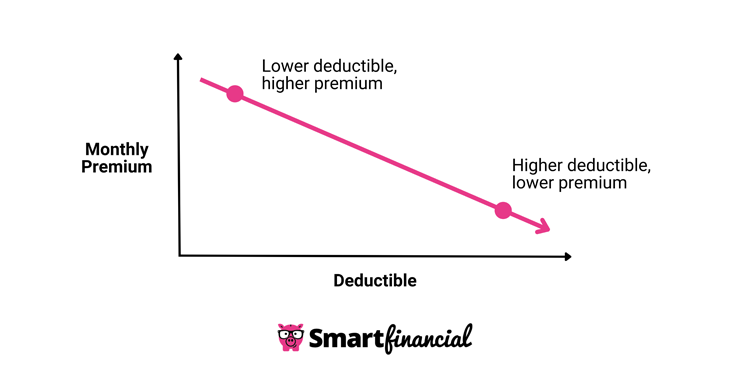
However, be cautious when raising your deductible, as you could increase it to the point where your out-of-pocket costs before insurance coverage kicks in become a financial burden. For example, if your leased car gets in an accident that causes $3,000 in damages but you have a $2,000 deductible, you’d have to cover that $2,000 before your commercial car insurance company would cover the remaining $1,000.
What Are the Benefits of Commercial Car Insurance for Leased Vehicles?
Purchasing a commercial car insurance policy will typically help cover you if your car gets into an accident, helping you avoid costly out-of-pocket liability expenses. Knowing that you have this coverage may offer peace of mind, allowing you to focus more on the business without worrying about the worst-case scenario if your leased car gets into an accident.
Comprehensive coverage can also protect your leased car from unexpected perils such as theft, vandalism, damage due to inclement weather and fires. Additionally, commercial auto insurance premiums may be tax deductible, helping to offset some of the costs.[7]
What Happens if You Don’t Have Coverage for a Leased Commercial Vehicle?
Lessors will require you to show proof of insurance before they lease you a car, so it is unlikely that you can lease a car without it. However, if this somehow happens or if you drop coverage in the middle of the lease, you could face consequences such as fines, license penalties and significant out-of-pocket expenses if you get into an accident.
Additionally, the leaseholder may hold you accountable for any damages sustained to the leased vehicle, whether you’re liable for the damages or not. You’ll be forced to pay these expenses if you don’t have commercial car insurance coverage or face potential legal action from the leaseholder.[8] Similarly, without coverage, you’ll be responsible for paying any medical bills and damages when you’re liable for an accident.
Driving without insurance could also increase your commercial auto insurance costs, with insurers potentially seeing a lapse in coverage as a sign your business is too high-risk. Some insurers may decline to offer coverage if they view you as too high of a risk to insure, making it difficult to find insurance when needed.
How To Find the Right Commercial Insurance Policy for Leased Vehicles
You’ll want commercial auto insurance quotes from three to five different insurers to get various options, including what types of additional coverage they offer. Keep in mind that your leaseholder may require specific coverage that is optional in some commercial auto policies, so check that what you need is offered by the insurer. Getting a business insurance quote often requires giving information on the type of vehicle leased, your type of business and your driving history.
You’ll need to provide each insurer with this information one at a time, which can become tedious. Consider using an insurance marketplace like SmartFinancial to help speed up the process. After answering a brief questionnaire, we can connect you with a licensed insurance agent to help you find the policy that meets your and your business needs. Click here to get a free commercial auto insurance quote today.
- Insurance quotes /
- Commercial /
- Commercial Auto Insurance For Leased Vehicles
Preston Micalizio writes insurance content for SmartFinancial. He brings three years of professional experience writing in various industries, from higher education to e-commerce. He strives to engage with the audience, provide accurate reporting and make complex subjects easily digestible.


Get a Free Commercial Insurance Quote.
More on Commercial Insurance

Looking for Commercial Insurance?
Compare rates from dozens of companies in less than 3 minutes.