

Why New DOT Regulations Are Impacting Trucking Insurance Costs
 Written by Dylan Tate Written by Dylan Tate Dylan TateDylan Tate is an insurance content expert for SmartFinancial with over 300 articles about home, auto, business, health a... Read more |  Edited by Dan Marticio Edited by Dan MarticioDan MarticioDan Marticio is the content manager at SmartFinancial and has written 150+ articles across multiple insurance verticals.... Read more |
 Editorial Standards
 SmartFinancial Offers Unbiased, Fact-based Information. Our fact-checked articles are intended to educate insurance shoppers so they can make the right buying decisions. Learn More
New Department of Transportation (DOT) regulations for trucking companies took effect recently, imposing stricter penalties on commercial drivers who fail a mandatory drug or alcohol test. Maintaining compliance with DOT requirements is crucial for keeping commercial insurance rates low, as noncompliant businesses may be perceived as high risk by insurance companies.
Keep reading for more information on DOT regulations and truck insurance, including an overview of the trucking industry regulation updates and how you can maintain affordable insurance premiums.
|
Key Takeaways
|
On This Page

New DOT Regulations: Key Changes
How Do the New DOT Regulations Affect Truck Insurance Costs?
Who Is Most Affected by These Changes?
How Commercial Truck Drivers Can Mitigate Rising Insurance Costs
Are There Insurance Companies Offering Discounts for DOT-Compliant Fleets?
DOT Regulations and Truck Insurance FAQs

New DOT Regulations: Key Changes
The DOT’s new regulations increase the penalties for commercial motor vehicle (CMV) drivers who acquire the “prohibited” status by committing drug or alcohol violations. Previously, employers regulated by the DOT — including trucking businesses — were required to stop prohibited drivers from performing safety-sensitive functions, like driving CMVs. Beginning on Nov. 18, 2024, the DOT took it a step further by requiring state driver’s licensing agencies (SDLAs) to revoke or deny commercial driving privileges for prohibited drivers.[1]
To change their status to “not prohibited,” a driver must see an approved substance abuse professional (SAP) and follow the SAP’s recommended treatment plan. Then, they must pass a return-to-duty test by having a blood alcohol concentration (BAC) below 0.02 or testing negative for drug use.[2] After returning to work, the driver must also pass at least six unannounced drug or alcohol tests over the course of a year to retain their “not prohibited” status.[1]
Keep in mind that a prohibited driver cannot request their own return-to-duty test. Instead, the test must be requested by their employer or, if they are a freelance owner-operator, their consortium/third-party administrator (C/TPA).[1]
How Do the New DOT Regulations Affect Truck Insurance Costs?
In general, failing to comply with DOT regulations can result in higher commercial insurance rates for a trucking business.[4] However, if you adhere to the new guidelines by temporarily removing drivers from your business until they have taken steps to change their status as high-risk drivers, you will improve your company’s overall driver safety record, which will likely contribute to lower commercial auto insurance premiums.
Who Is Most Affected by These Changes?
The latest DOT standards affect all businesses that use CMVs. A CMV is a motor vehicle that is used in interstate commerce to transport people or property on highways and meets any of the following criteria:[5]
- Has a gross vehicle weight rating (GVWR) of at least 10,001 pounds or a gross combined weight rating (GCWR) of at least 26,001 pounds
- Is designed to carry at least eight people for a price or at least 15 people for free
- Requires federal placarding because it transports hazardous materials
How Commercial Truck Drivers Can Mitigate Rising Insurance Costs
If your trucking insurance premiums are on the rise, you should follow the tips in the below sections to keep insurance expenses from overwhelming your business.
Improve DOT Compliance and Safety Records
Following DOT trucking requirements and improving your company’s safety record will likely lead to lower commercial insurance rates. Your truckers’ driving records are among the most important details that truck insurance underwriters will consider when setting your rates since truckers with recent car accidents or traffic offenses are generally considered to be more likely to cause crashes or commit violations again in the future.
Conversely, closely monitoring new driver qualifications and requiring drivers with recent convictions to follow the DOT’s mandated return-to-duty procedures will lower the odds that your business will need to file a commercial insurance claim. In turn, this will lower the risk associated with insuring your business, potentially allowing you to enjoy lower insurance premiums.
Work With Your Insurer To Lower Your Premiums
If you are worried about rate increases as you try to navigate DOT compliance and truck insurance, you should communicate with your business insurance provider to see if there are concrete steps you can take to lower your premiums. Examples of actions that may enable you to keep your insurance prices manageable include the following:
- Establishing more thorough vehicle maintenance and employee safety procedures
- Improving your business credit score
- Removing unnecessary insurance coverage types from your policy and lowering excessively high coverage limits, if applicable
- Filing claims only when absolutely necessary
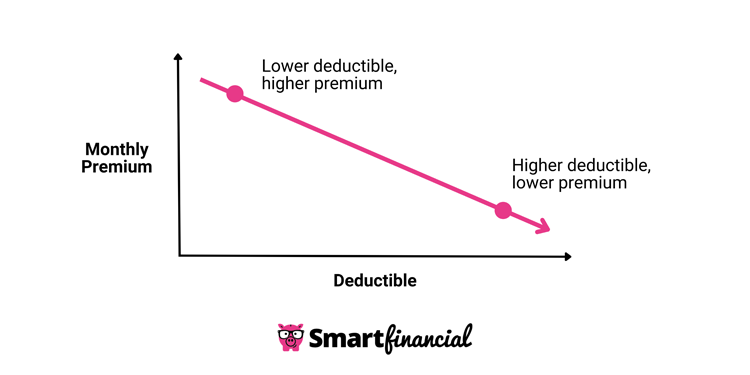
- Raising your insurance deductibles
Are There Insurance Companies Offering Discounts for DOT-Compliant Fleets?
As a general rule, you can expect to qualify for a fleet insurance discount from the majority of commercial insurance companies if you can show proof of compliance with state or federal guidelines, including those issued by the DOT.[6] Of course, DOT compliance is not merely important because of the potential for insurance savings; if you allow a prohibited driver to operate one of your CMVs, you could be fined up to $6,974.[7]
- Insurance quotes /
- Commercial /
- Dot Regulations Truck Insurance
Dylan Tate is an insurance content expert for SmartFinancial with over 300 articles about home, auto, business, health and life insurance under his belt. He has over nine years of experience writing for online publications, primarily about gaming and esports. In the process, he has become an expert in search engine optimization, news reporting, feature writing and copy editing.


Get a Free Commercial Insurance Quote.
More on Commercial Insurance

Looking for Commercial Insurance?
Compare rates from dozens of companies in less than 3 minutes.