

10 Ways To Lower Your Commercial Trucking Insurance Premiums
 Written by Preston Micalizio Written by Preston Micalizio Preston MicalizioPreston Micalizio writes insurance content for SmartFinancial. He brings three years of professional experience writing ... Read more |  Edited by Dan Marticio Edited by Dan MarticioDan MarticioDan Marticio is the content manager at SmartFinancial and has written 150+ articles across multiple insurance verticals.... Read more |
 Editorial Standards
 SmartFinancial Offers Unbiased, Fact-based Information. Our fact-checked articles are intended to educate insurance shoppers so they can make the right buying decisions. Learn More
Keeping your drivers’ records clean, searching for discounts, and utilizing new safety tech and driver’s training programs can all help lower your commercial trucking insurance premiums. Insurance rates can rack up, especially if you keep your deductible too low and enroll in coverage options and endorsements you don’t need, so reducing these costs can help your business meet its goals without sacrificing the coverage you need.
Keep reading to learn tips on lowering your commercial trucking insurance costs.
|
Key Takeaways
|
On This Page

1. Maintain a Clean Driving Record
2. Invest in Safety Technology
3. Bundle Policies
4. Increase Your Deductible
5. Implement Driving Training Programs
6. Limit Coverage to Essential Areas
7. Leverage Fleet Management Software
8. Review Your Policy Regularly
9. Negotiate With Your Commercial Trucking Insurance Provider
10. Shop Around for the Best Deals
FAQs

1. Maintain a Clean Driving Record
Maintaining a clean driving record is essential in keeping your commercial truck insurance costs low, as a history of accidents or moving violations may label you as a risky driver to insurers. The riskier you are, the more expensive premiums you’ll face. Fortunately, insurers generally won’t look beyond the last three to five years of your driving history.[1] If you’re paying elevated rates, you may see them lower once this lookback period expires, provided you continue avoiding accidents and tickets.
Managing multiple drivers may be tricky, and having a log of their actions that can be easily organized electronically may make it easier. At the same time, it can also help hold drivers accountable for their performance.
2. Invest in Safety Technology
Various forms of safety technology, such as telemetrics, dashcams and collision avoidance systems, can help drivers remain safer on the road, which could result in lower trucking insurance costs. Such technology reduces the chance of getting into accidents that could damage your vehicle or lead to liability costs involving a pedestrian. Since you’re less likely to file a claim, insurers generally charge lower premiums as a result.
Even if you’re already using a combination of safety features and technology, it may be worth regularly assessing new advancements or new areas where safety technology could be implemented.
3. Bundle Policies
Bundling, which is purchasing multiple forms of coverage from the same insurance company, is a great way to lower insurance premiums. For example, some insurance companies may let you bundle your commercial and personal auto policies to earn a discount. You may be able to bundle multiple trucks together as a fleet onto a single policy, for which many insurers offer discounts. The more vehicles you have on one policy, the lower your rates generally will be.[2]
4. Increase Your Deductible
By increasing your deductible, or the amount you’ll cover out of pocket before receiving a claim’s benefits, you can help lower the price of your monthly premium.
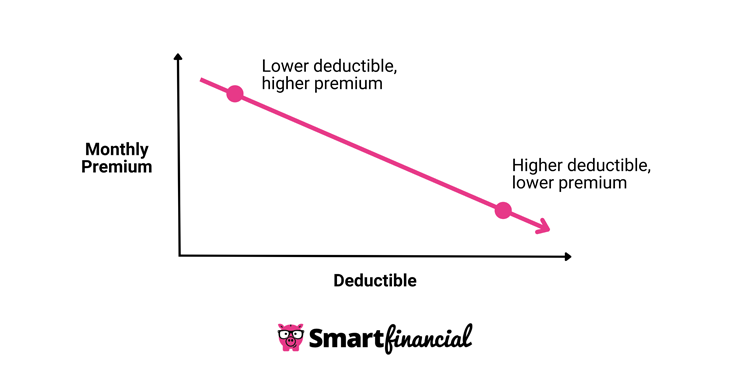
Keep in mind that raising your deductible beyond a financially beneficial point can backfire. For instance, with a $1,000 deductible, $5,000 in hail damage to your truck would leave you covering the first $1,000. Costs can escalate for fleet owners, as each vehicle can have its own deductible. A hailstorm damaging a fleet of 50 trucks, each with a $1,000 deductible, could total to a $50,000 deductible. Additionally, separate deductibles may apply for the coach, trailer, and cargo in an accident.
Some insurers, like Great West Casualty Company, offer endorsements to trucking companies to manage these expenses. For example, in a claim for one truck, their physical damage single deductible endorsement applies only the highest available deductible if multiple parts of your truck with separate deductibles — such as the coach, trailer, and cargo — are damaged. Similarly, their physical damage location coverage endorsement caps out-of-pocket costs for single-location losses, such as hail damage to a fleet. In our earlier example, this endorsement would reduce that $50,000 out-of-pocket cost to only $20,000, for instance.[3]
5. Implement Driving Training Programs
A driver training program can help your drivers learn the best defensive driving techniques and handle emergencies, such as when a tire goes flat on a busy highway or if the truck’s brakes start malfunctioning. Properly trained drivers can better avoid accidents and respond when things go wrong. This can help keep them and others on the road safe and may result in fewer claims, keeping your premiums from climbing.
6. Limit Coverage to Essential Areas
Getting coverage that exceeds your state’s minimum requirements can be a good idea, but going overboard on unnecessary coverage could result in higher premiums without much benefit. For example, if your truck is brand new, you may be able to save for the first year by purchasing a roadside assistance endorsement.
Additionally, the type of cargo you transport will determine what insurance coverage you need. For example, if you no longer plan on transporting hazardous materials, you likely won’t need hazmat coverage. Keep in mind that gaps in hazmat coverage could result in higher premiums if you buy it later, so it's worth weighing your business's goals when determining what coverage you need.[4]
7. Leverage Fleet Management Software
Fleet management software, such as ToolSense, Samsara, or GeoTab, can help you track your drivers' performance while on the road, optimize routes and manage necessary maintenance.
8. Review Your Policy Regularly
As with many types of insurance policies, you’ll want to review your commercial trucking insurance at least once a year.[5] However, you may want to review your policy whenever you make a significant change to your business, such as if you add more trucks to your fleet, upgrade your equipment or hire experienced drivers. Such changes could all result in changes in what coverage your business needs and may even qualify you for other discounts.
9. Negotiate With Your Commercial Trucking Insurance Provider
You may be able to work with your provider to lower trucking insurance premiums, and asking about discounts they offer is a good start. In addition to discounts discussed previously, others offered by some insurance companies may include:
- Paid in full discount: Some insurers may allow you to pay the total of your annual premium instead of making monthly payments, often with an attached discount for paying up front.
- Loyalty discount: If you’ve partnered with the same insurance company for an extended period, they may offer a discount for continued loyalty. Remember that if you switch to another insurance provider, you’ll likely lose this discount, which may offset any savings from switching.
- Business experience discount: If you’ve been in business for a certain number of years and have maintained a good business track record, you may be able to get a discount. The idea is that more seasoned business owners are lower risk to insurers than those who are inexperienced.
Additionally, if you implement or improve driving data tracking and trucking training programs and other safety measures, you could argue that these risk-mitigating practices should result in a lower premium. Contact your insurer and see if they have any suggestions on how you might further lower your premium.
10. Shop Around for the Best Deals
Shopping around with multiple commercial trucking insurance companies can help you find the best deal. Consider checking with three to five insurers. Keep in mind that many insurance companies will require you to provide information such as your garaging location, the range of your operation and details on you and any other drivers, alongside information about the conditions and model of the truck to each insurer individually.
This process can be tedious and time-consuming, but you can help speed things up by using an insurance marketplace like SmartFinancial. After answering a brief questionnaire, you’ll be connected with a licensed insurance agent to help you find the best policy that meets your trucking business's demands. Click here to get a free commercial insurance quote today!
- Insurance quotes /
- Commercial /
- How To Lower Commercial Truck Insurance Premiums
Preston Micalizio writes insurance content for SmartFinancial. He brings three years of professional experience writing in various industries, from higher education to e-commerce. He strives to engage with the audience, provide accurate reporting and make complex subjects easily digestible.


Get a Free Commercial Insurance Quote.
More on Commercial Insurance

Looking for Commercial Insurance?
Compare rates from dozens of companies in less than 3 minutes.