

Tow Truck Insurance: Cost, Coverage and Requirements Explained
 Written by Dylan Tate Written by Dylan Tate Dylan TateDylan Tate is an insurance content expert for SmartFinancial with over 300 articles about home, auto, business, health a... Read more |  Edited by Richard Murphy Edited by Richard MurphyRichard MurphyRichard Murphy manages content on SmartFinancial's website. With a strong background in content strategy and copywriting... Read more |
 Editorial Standards
 SmartFinancial Offers Unbiased, Fact-based Information. Our fact-checked articles are intended to educate insurance shoppers so they can make the right buying decisions. Learn More
A tow truck insurance policy should include various property, liability and commercial auto insurance coverages to pay for medical treatments, car repairs and legal services for your business or other people or entities in the event of a sudden loss. Commercial insurance is generally required by law for businesses that use vehicles — which naturally applies to all towing companies.
Continue reading to learn more about commercial insurance for tow trucks, including what specialized coverage options are available and what factors can influence your premiums.
|
Key Takeaways
|
On This Page

What Is Tow Truck Insurance?
Why Tow Truck Businesses Need Specialized Insurance
What Does Tow Truck Insurance Cover?
What Isn’t Covered by Tow Truck Insurance?
Who Needs Tow Truck Insurance?
Types of Tow Truck Insurance
How Much Does Tow Truck Insurance Cost?
Is Tow Truck Insurance Required?
Tow Truck Insurance at a Glance
How To Get Commercial Tow Truck Insurance
FAQs

What Is Tow Truck Insurance?
Tow truck insurance refers to a collection of commercial auto and other business insurance coverages that address the most common risks towing businesses are likely to face in their daily operations. Your tow truck policy should generally include a mix of standard commercial insurance coverage types and insurance products specially designed to meet the needs of tow truck companies.
Why Tow Truck Businesses Need Specialized Insurance
Without proper insurance coverage, tow truck businesses could be fully on the hook for any expenses that arise due to a covered accident or peril — placing business owners at risk of going into serious debt whenever situations come up that are out of their control. See the table below for examples of how specialized tow truck coverage could be beneficial for your business:[1]
| Benefit | Example |
| Financial safety net | Your insurance company pays to rebuild your office building after a fire — which you wouldn’t have been able to afford out of pocket |
| Legal compliance | You are able to present a certificate of liability insurance showing proof of commercial auto coverage in order to meet your state’s legal requirements and obtain a tow truck permit |
| Reputational boost | Prospective customers are more likely to call your business because they know you are insured and can cover their losses if you are held liable for damaging their vehicle |
| Protection against accidents, lawsuits and other claims | Your insurer pays to hire an attorney who negotiates a settlement after you are held responsible for injuring someone in a collision, allowing you to avoid costly and time-consuming legal action |
| Peace of mind | You are able to avoid unneeded stress and operate your company more confidently because you know that your finances are protected — even if a sudden loss occurs |
What Does Tow Truck Insurance Cover?
The level of coverage provided by your tow truck insurance policy may vary, depending on which coverage types the policy includes. In general, insurance for commercial tow trucks should cover losses like these:
- Commercial vehicle accidents
- Damage to vehicles in your care
- Bodily injury and property damage claims unrelated to car accidents
- Damage to your commercial building or business personal property
- Employee injuries
- Professional mistakes
- Lawsuits stemming from covered claims
What Isn’t Covered by Tow Truck Insurance?
Exclusions may also vary by policy type, but you can generally expect your tow truck insurance company not to provide coverage for the following:[2]
- Intentional or fraudulent losses
- Expenses that exceed your policy’s coverage limits
- Damage to certain types of cargo, such as jewelry, alcohol, drugs and explosives
Who Needs Tow Truck Insurance?
Any business that makes use of tow trucks needs a robust commercial insurance policy — even if towing is not its primary business activity. Here are examples of types of businesses that may need to invest in tow truck liability insurance:[1][2]
- Towing companies
- Repossession agencies
- Impound lots
- Roadside assistance service providers
- Salvage yards
- Vehicle recovery services
- Independent tow truck owner-operators
- Government-sponsored rotational tow programs
- Auto body and car repair shops
- Auction haulers
- Automobile association contractors
Types of Tow Truck Insurance
In the upcoming sections, you’ll learn about some of the most important types of commercial insurance for tow truck businesses to consider.
1. Auto Liability Insurance
Towing businesses need commercial auto liability insurance to cover other people’s expenses in case they are responsible for a commercial vehicle accident. Bodily injury liability coverage can pay for medical treatments, while property damage liability coverage can pay for property repairs. Additionally, auto liability insurance can cover your legal fees if your business is sued after a collision.
2. General Liability Insurance
General liability insurance is necessary to cover hospital bills, vehicle repairs and legal expenses if your company is found liable for injuring someone or damaging their property outside of the context of a car accident. For example, general liability coverage may apply if someone trips over a loose rug and breaks their wrist in your office building or if you accidentally break a car’s windshield while trying to hook it to your tow truck.
3. On-Hook Towing Insurance
On-hook towing coverage is a specialized commercial liability insurance product that covers the vehicles in your care while they are actively attached to your tow truck or being transported on a flatbed.[1] Your on-hook towing policy may cover damage to your customers’ cars from a variety of external perils, including fire, theft, vandalism and collisions with other vehicles or objects.[3]
4. Garage Keepers Insurance
Garage keepers insurance — also known as storage location insurance — functions similarly to on-hook towing insurance, except that it applies while customers’ vehicles are stored on your property rather than when they are on the road. Your policy may provide one of the following three types of garage keepers coverage:[4]
- Legal liability: Garage keepers legal liability coverage applies to property damage claims when your business is legally liable for damage to a client’s car due to negligence or some other mistake.
- Direct primary: Conversely, garage keepers direct primary coverage provides no-fault protection for any source of damage to your customers’ cars, even if your business is not responsible for the loss. For example, this coverage may apply if a thief steals a customer’s car from your property and crashes it.
- Direct excess: A hybrid option is garage keepers direct excess coverage, which acts as primary coverage when your business is liable for a loss and secondary coverage when your business is not at fault. For example, if a client’s vehicle experiences unpreventable storm damage, they would need to file a claim on their own insurance, and your excess liability insurance would cover any costs that exceed their coverage limits.
5. Physical Damage Coverage
While liability insurance takes care of other people’s losses after an accident your business is responsible for, physical damage insurance can cover your own vehicle repairs. Collision insurance is a type of physical damage coverage that steps in if you crash into another vehicle or object or if you get into a single-vehicle rollover. Meanwhile, comprehensive insurance covers damage from external perils, such as natural disasters and vandalism.
Depending on the size of the trucks in your fleet, you may need a specialized type of heavy-duty tow truck insurance known as fire and theft with combined additional coverage. This policy is similar to comprehensive insurance, but it may only provide coverage for perils that are expressly named in the policy documents, such as fire, theft, floods and explosions.[5]
6. Workers’ Compensation Insurance
If you have employees, you need workers’ compensation insurance to shield you from costly lawsuits related to workplace accidents. Workers’ compensation insurance can cover expenses like medical bills, rehabilitation costs, lost wages, disability payouts and death benefits for an employee who gets injured, becomes sick or dies on the job or as a result of their work.
7. Commercial Umbrella Insurance
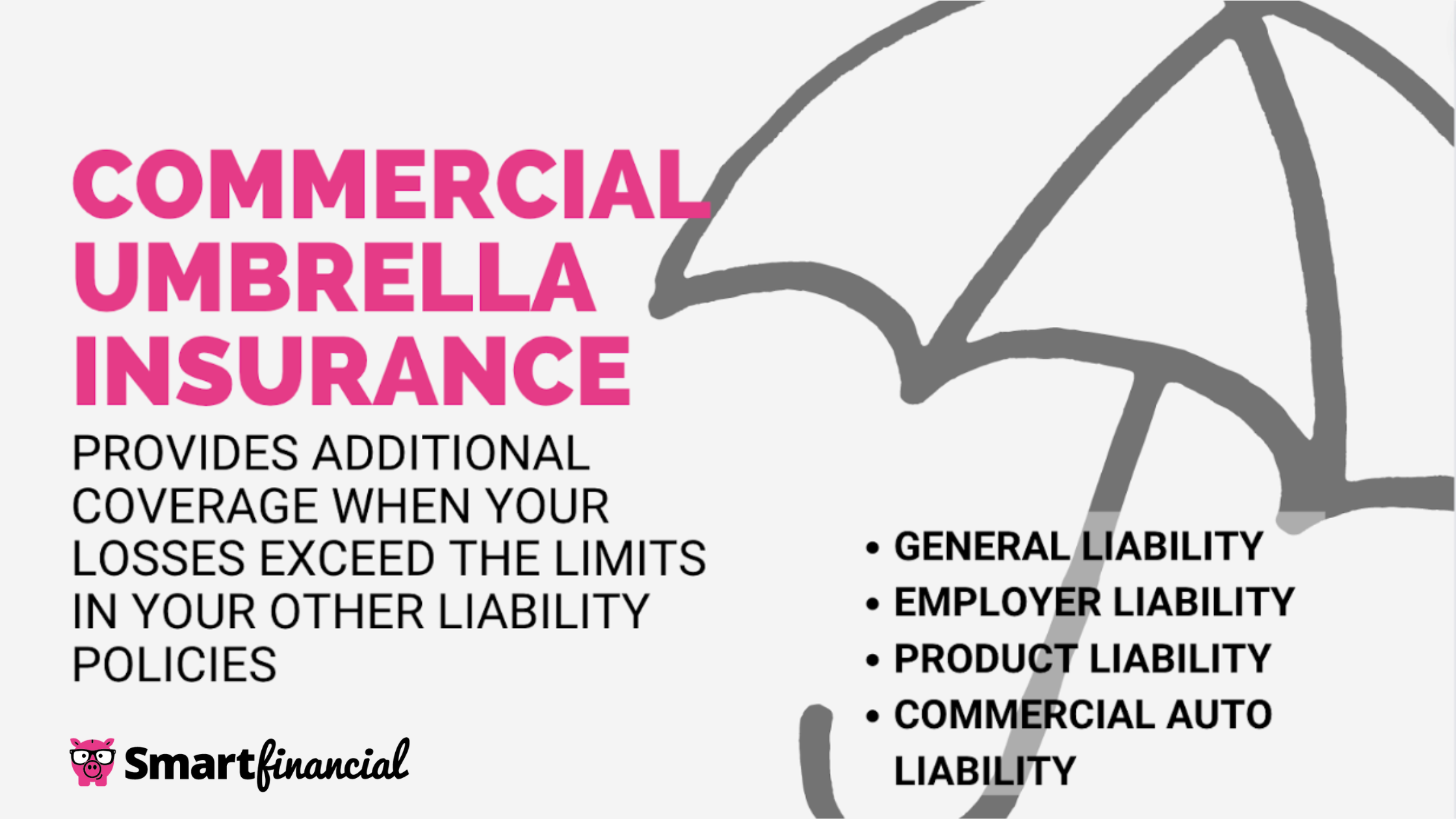
Commercial umbrella insurance can step in to provide extra coverage if an especially costly claim exhausts the coverage limits of your underlying liability insurance policies. As the “umbrella” name suggests, this insurance product can extend the coverage limits for multiple types of liability coverage — such as general, auto and garage keepers liability coverage — at the same time.
Additional Policies To Consider
Other coverages that may be worth adding to your tow truck business insurance policy include the following:
- Uninsured motorist: Uninsured motorist coverage can pay for medical care or car repairs if one of your drivers is struck by someone who doesn’t have auto insurance. Underinsured motorist coverage is a similar coverage type that takes effect if the at-fault driver has insurance but their coverage limits are too low to fully cover your expenses.
- MedPay: Regardless of whether your business is at fault for a collision, medical payments coverage can take care of hospital bills for any of your employees involved in the crash. Personal injury protection is a similar product that provides even broader coverage, as it can also cover lost wages while your employees are recovering.
- HNOA: Hired and non-owned auto insurance is a commercial auto insurance add-on that can extend your liability coverage to tow trucks your business uses but doesn’t own, such as leased or rented trucks.
- Professional liability: You may need professional liability insurance to cover lawsuits stemming from failures in the performance of your services, such as negligence, breach of contract or misrepresentation.
- Commercial property: Commercial property coverage insures the building you operate out of and any items stored inside — besides vehicles — from sudden and unexpected sources of damage.
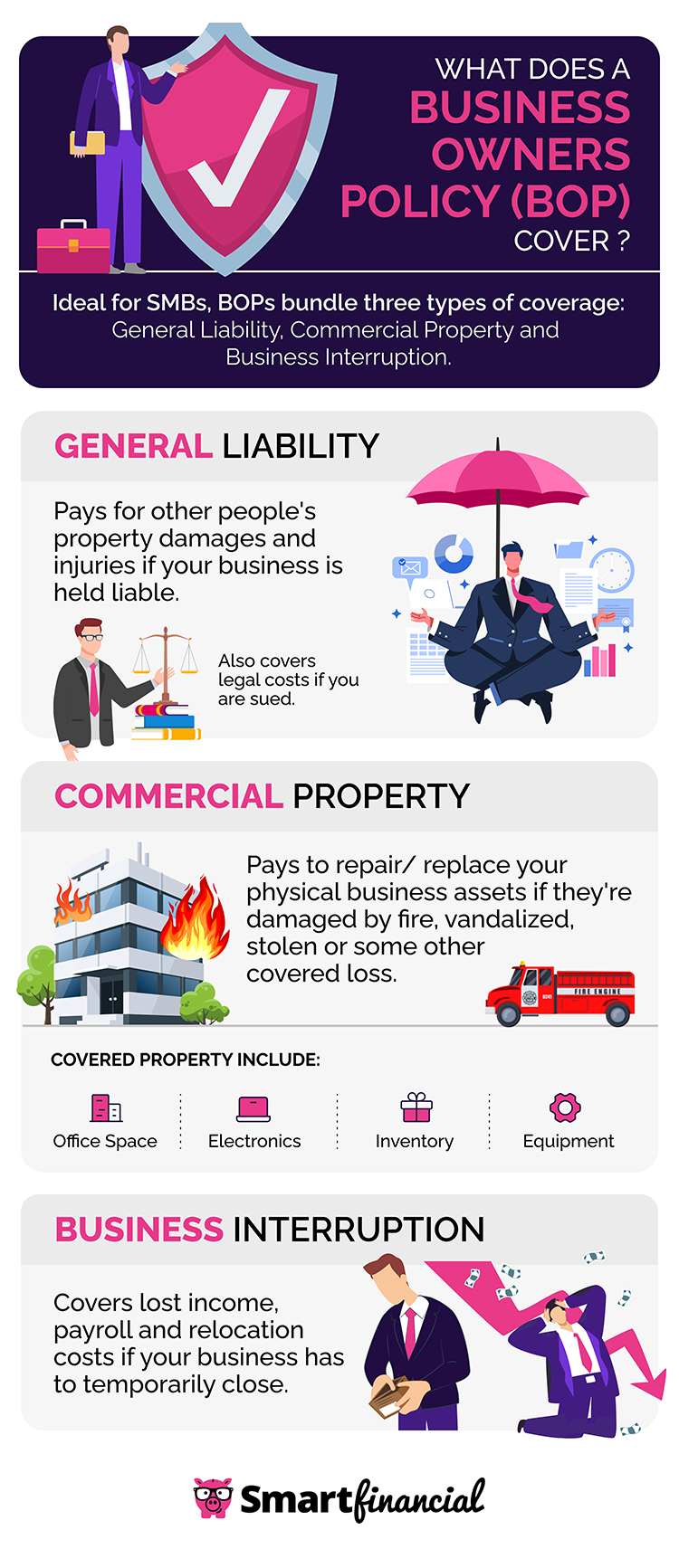
- Business interruption: If you must temporarily close your company because of a loss covered by your commercial property insurance, business interruption insurance can cover expenses like payroll, relocation expenses and ongoing operational costs. Small towing businesses may be able to bundle general liability, commercial property and business interruption insurance together through an affordable business owners policy.
How Much Does Tow Truck Insurance Cost?
Annual towing insurance premiums typically range from around $5,400 to $15,000 per truck on average. These factors will influence the exact cost of your commercial tow truck insurance policy:[6]
- Fleet characteristics, including how many and what types of tow trucks you use
- Employees’ driving records
- How many business insurance claims you’ve filed before
- Coverage types and limits included in the policy
- Where and when you operate
- What services you provide
Is Tow Truck Insurance Required?
Federal law requires certain for-hire tow trucks that operate across state lines and have a gross vehicle weight rating or gross combined weight rating of at least 10,000 pounds to be covered by at least $750,000 worth of commercial auto liability insurance.[7] Depending on your state, you may also be required by law to carry other commercial auto coverages, such as MedPay or uninsured motorist coverage.[8]
Tow Truck Insurance at a Glance
- Definition: Tow truck insurance coverage refers to a business insurance policy that combines standard and specialized coverages to address the risks facing a typical towing business.
- Benefits: Some of the main benefits of a towing insurance policy include financial protection, legal compliance, an improved reputation and peace of mind.
- Who needs it: Commercial tow truck insurance may be beneficial for any type of business that uses tow trucks, including repossession companies, roadside service providers, auction haulers and auto detailing or repair businesses.
- Requirements: You are generally required by law to maintain commercial auto insurance for your towing company. Also, workers’ compensation insurance may be mandatory if you have employees.
- Basic coverage: Small tow truck businesses can secure basic property and general liability coverages by purchasing a cost-effective business owners policy.
- Specialized coverage: Coverage types like on-hook towing insurance and garage keepers insurance can shield you from liability lawsuits related to property damage that occurs while you are transporting or storing customers’ vehicles.
- Cost: On average, it costs around $450 to $1,250 per truck per month to maintain commercial tow truck insurance.
How To Get Commercial Tow Truck Insurance
Business owners generally need to look at quotes from three to five different insurance companies before settling on a policy. Unfortunately, this can be time-consuming, especially if you individually reach out to each insurance carrier to provide information about your business, such as your industry, location, annual revenue and number of employees.
That said, you can shop around much more quickly by using SmartFinancial. Once you’ve filled out our online questionnaire to let us know about your coverage needs and circumstances, we’ll connect you with an agent who can help you find the right insurance policy for your towing business. Get started on comparing no-cost commercial insurance quotes today!
- Insurance quotes /
- Commercial /
- Tow Truck Insurance
Dylan Tate is an insurance content expert for SmartFinancial with over 300 articles about home, auto, business, health and life insurance under his belt. He has over nine years of experience writing for online publications, primarily about gaming and esports. In the process, he has become an expert in search engine optimization, news reporting, feature writing and copy editing.


Get a Free Commercial Insurance Quote.
More on Commercial Insurance

Looking for Commercial Insurance?
Compare rates from dozens of companies in less than 3 minutes.