

Do You Have a Greater Risk of Filing an Insurance Claim During the Holidays?
 Written by Dylan Tate Written by Dylan Tate Dylan TateDylan Tate is an insurance content expert for SmartFinancial with over 300 articles about home, auto, business, health a... Read more |  Edited by Richard Murphy Edited by Richard MurphyRichard MurphyRichard Murphy manages content on SmartFinancial's website. With a strong background in content strategy and copywriting... Read more |
 Editorial Standards
 SmartFinancial Offers Unbiased, Fact-based Information. Our fact-checked articles are intended to educate insurance shoppers so they can make the right buying decisions. Learn More
Several insured losses can become more common around the holidays, such as house fires, theft, car accidents, inclement weather, business interruptions, medical emergencies while traveling and more. Handling holiday insurance claims is similar to filing claims at other points in the year, but be aware that it may take longer for an insurer to process your claim during the holiday season.
Continue reading for several holiday season insurance tips, along with information about the most common types of insurance claims during the holidays and the steps you need to take when filing claims after holiday events.
|
Key Takeaways
|


What Are the Most Common Holiday Insurance Claims?
Weather-related losses are common during the holiday season, as are several other types of property damage and liability claims. Read the sections below to learn more about the most common holiday claims for various types of insurance policies.
Homeowners Insurance
In general, the most frequent homeowners insurance claims are those for wind, hail, water damage, freezing, fire and lightning — many of which can be especially common around the holiday season.[1] For example, you could have to file a home insurance claim during the winter months if a blizzard causes part of your roof to cave in, a frozen pipe bursts and floods your basement or a faulty string of lights starts a Christmas tree fire.
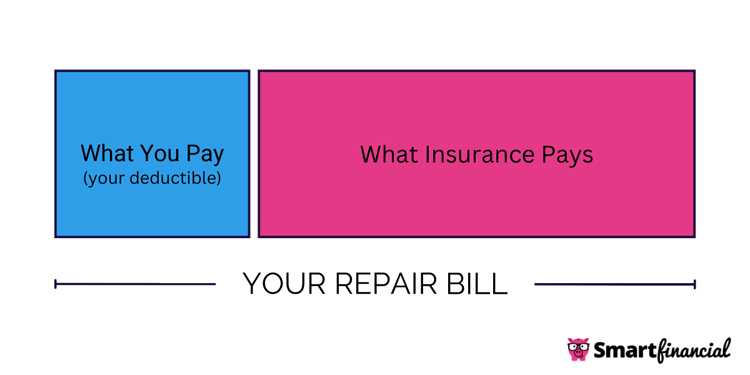
Your homeowners insurance policy should also cover theft that occurs while you’re away from home, like when you travel for the holidays. Specifically, it can reimburse you for the theft of any presents you purchase and any packages you order — though you need to keep in mind that it may not be worth filing a claim unless the sum of your losses exceeds your deductible.
Along with covering property losses, your home insurance should also include personal liability coverage to take care of medical bills or legal expenses if someone becomes sick or gets injured on your property. This may come in handy around Thanksgiving because outbreaks of a bacteria commonly responsible for food poisoning frequently occur in November and December — and these outbreaks are linked to popular holiday foods, like turkey and roast beef.[2]
Renters Insurance
Some of the most common home insurance claims are also likely to be common renters insurance claims during the holiday season because renters insurance can cover damage to your belongings and liability claims, much like homeowners insurance. That said, renters insurance differs from homeowners insurance in that it doesn’t include dwelling coverage.
For example, renters insurance should cover damage to your cooking equipment and appliances caused by a kitchen fire, but it likely won’t cover fire damage to the physical structure of your home or any structures directly connected to it. These losses will generally have to be covered by your landlord’s insurance policy instead.
Car Insurance
While summer and early fall generally have higher rates of fatal car crashes than other seasons, certain types of car insurance claims are still prevalent throughout winter.[3] For example, pedestrian deaths are most common from October to December — when there are fewer daylight hours.[4] In addition, from 1998 to 2014, New Year’s Day had the second-highest number of traffic fatalities across all days on average — only behind the Fourth of July.[5]
Travel Insurance
If you plan to take a long-distance trip over the holidays, you may want to invest in a travel insurance policy to cover common situations and losses that can arise while you’re on vacation. The most common travel insurance claims are related to medical emergencies.[6] Having travel insurance to cover these claims may be especially important if you travel overseas, as your standard health insurance plan may not cover international care.
For example, your travel insurance company may reimburse you if you have to cancel your plane tickets and hotel reservations after your child breaks their leg while playing football on Thanksgiving, or it may help you pay to replace the gifts you were planning to bring to relatives on the other side of the country if your airline loses them with your suitcase.
Commercial Insurance
Some of the most common business insurance claims to keep an eye out for this holiday season include claims related to burglary, fire, weather damage and customer injuries.[7] Your commercial insurance policy should include commercial property coverage for the buildings and items owned by your business and general liability coverage for losses your business causes customers or other entities to experience.
Business owners policies also commonly include business interruption coverage, which can take care of various expenses that arise when a covered peril shuts down your business temporarily. For example, if a winter storm causes significant damage to your commercial building, your insurance provider may help you relocate for a limited time, or it may simply help you keep paying your employees for as long as you are out of business.
How To File an Insurance Claim During the Holidays
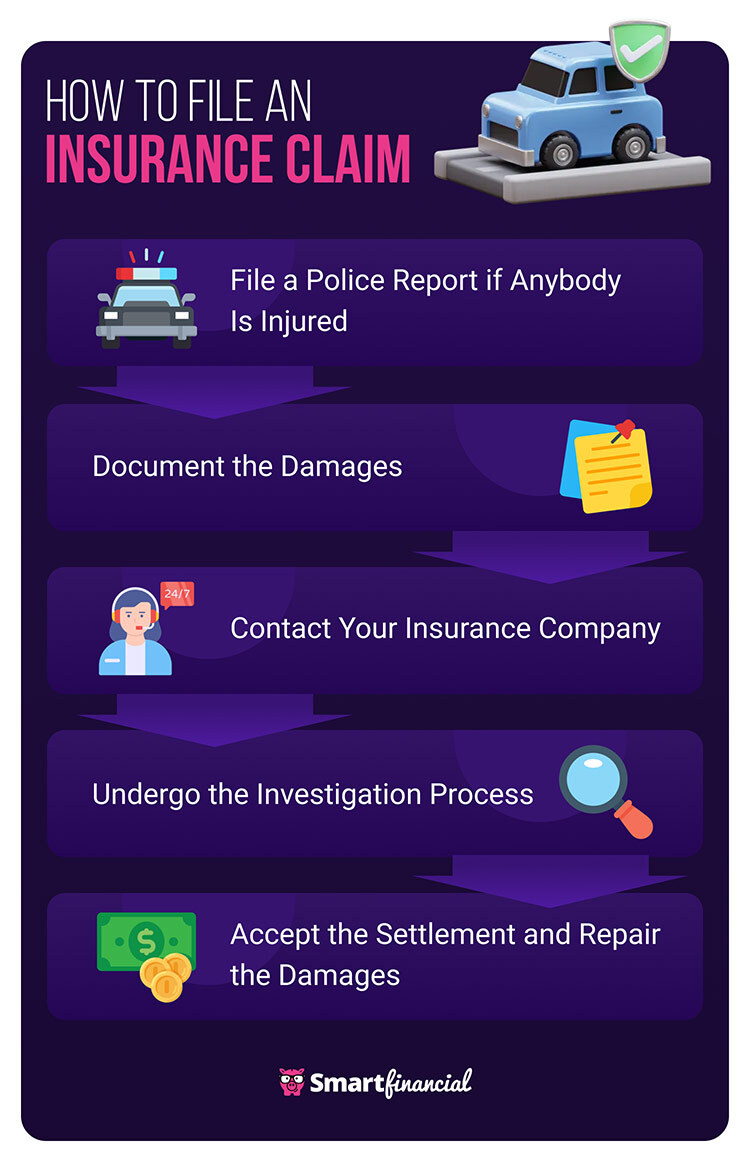
Take the following steps to file an insurance claim after you experience a covered loss over the holidays:
- Call 911 if someone is seriously injured, and request a police report if your claim involves a crime, like theft or vandalism.
- Thoroughly document any damage to your property by taking pictures or videos.
- Get in touch with your insurer via phone, mobile app or online portal to initiate the claims process.
- Give your insurance agent or carrier any information needed for the investigation process, such as police reports and pictures or videos.
- Use your insurance payout to cover the loss that prompted you to file the claim.
How Long Does It Take To Process a Claim During the Holidays?
The insurance claims process can take upwards of one month during the holiday season, according to Ramzy Ladah, a trial attorney and personal injury lawyer at Ladah Law Firm. Some of the factors that can contribute to longer-than-average wait times during the holidays include claims adjusters taking time off work and insurance companies processing a large number of claims related to common holiday insurance losses.
“Car accident claims, for instance, may take time due to investigations — determining fault and assessing damage are never quick steps,” Ladah said in a message to SmartFinancial. “With home-related claims, the need for contractors can mean more delays, as repair services are usually stretched thin at this time of year.”
However, the amount of time it takes to process your claim may depend on the type of claim you file and your state’s legal requirements. For example, health insurance companies in North Carolina must either pay out a claim or send the claimant a notice explaining the reason for denying the claim within 30 days of receiving it — regardless of whether they receive it during the holidays.[8]
Tips for Preventing Holiday Incidents and Avoiding Claims
Some of the best ways to prevent holiday incidents that could turn into costly insurance claims include the following:
- Practice fire safety to lower your fire risk by making sure candles aren’t left unattended, outlets aren’t overloaded and flammable objects aren’t positioned near your stove or other heat sources.
- Drive slowly, and keep a sufficient distance between yourself and other vehicles, especially in snowy or icy weather.
- Clear ice from your driveway and other walkways before guests come over to minimize the risk of a slip-and-fall accident.
- Insulate your pipes, and let your faucets drip continuously amid freezing temperatures.
- Store gifts away from windows, unlocked cars or other places where prospective thieves could easily find and get to them.
- Avoid setting up holiday decorations where they could easily be blown through windows or other parts of your home by high winds.
- Refrain from driving after drinking at a holiday party.
- Insurance quotes /
- Holiday Insurance Claims
Dylan Tate is an insurance content expert for SmartFinancial with over 300 articles about home, auto, business, health and life insurance under his belt. He has over nine years of experience writing for online publications, primarily about gaming and esports. In the process, he has become an expert in search engine optimization, news reporting, feature writing and copy editing.


Get a Free Insurance Quote Online Now.
More on Insurance

Get a Free Insurance Quote.
Compare rates from dozens of companies in less than 3 minutes.