

What Are Medicare Special Needs Plans?
 Written by Dylan Tate Written by Dylan Tate Dylan TateDylan Tate is an insurance content expert for SmartFinancial with over 300 articles about home, auto, business, health a... Read more |  Edited by Richard Murphy Edited by Richard MurphyRichard MurphyRichard Murphy manages content on SmartFinancial's website. With a strong background in content strategy and copywriting... Read more |
 Editorial Standards
 SmartFinancial Offers Unbiased, Fact-based Information. Our fact-checked articles are intended to educate insurance shoppers so they can make the right buying decisions. Learn More
Medicare Special Needs Plans (SNPs) provide specialized coverage for elderly, disabled and terminally ill individuals who suffer from chronic conditions, need institutional care or qualify for Medicaid. SNPs are offered by private health insurance companies, meaning they may have limited networks and cost more than Original Medicare — though this may vary by plan type.
Continue reading to learn more about Medicare Advantage Special Needs Plans, including the types of plans insurers sell and how you can qualify for each type of plan.
|
Key Takeaways
|
On This Page

What Is a Medicare Special Needs Plan?
What Types of Medicare SNPs Are There?
What Do Medicare SNPs Cover?
How Much Do Medicare Special Needs Plans Cost?
Who Qualifies for Medicare Special Needs Plans?
Benefits of SNPs
Things To Consider Before Choosing a Medicare SNP
How To Enroll in a Medicare SNP
FAQs

What Is a Medicare Special Needs Plan?
A Medicare Special Needs Plan (SNP) is a type of Medicare Advantage plan offered by private insurance companies that provides extra benefits to address the needs of certain Medicare members who have unique health care requirements or qualify for other government-funded insurance programs. Regardless of which type of SNP you qualify for, you should be connected with a care coordinator who will devise a plan to help improve your overall well-being.[1]
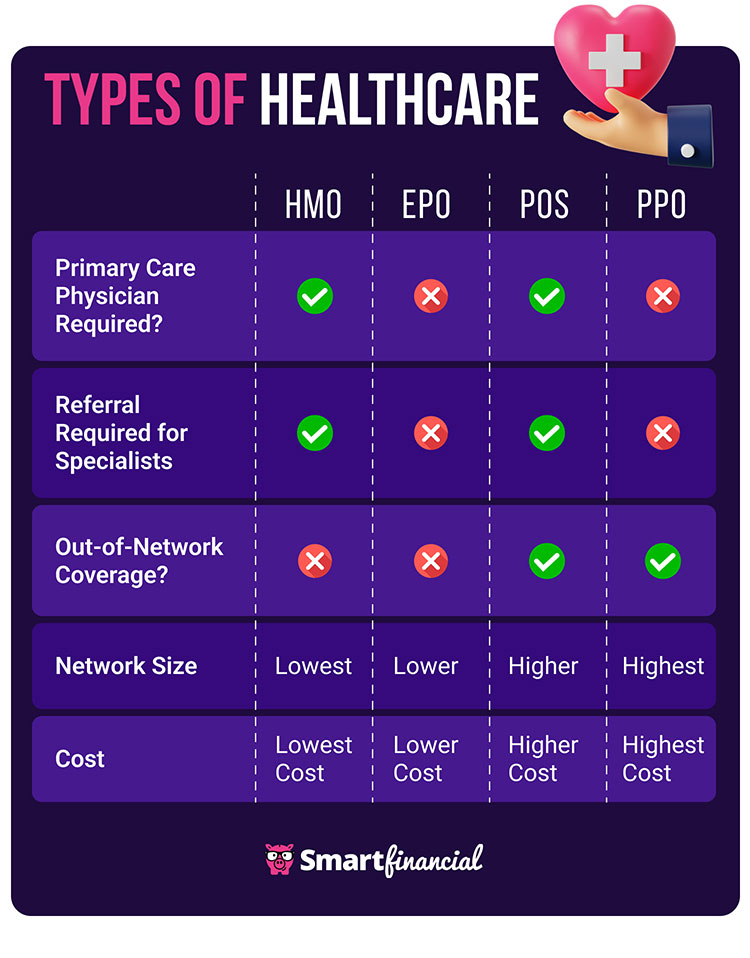
Medicare SNPs may be set up as either health maintenance organization (HMO) or preferred provider organization (PPO) plans.[1] HMOs generally exclude coverage for routine out-of-network care and limit your ability to see a specialist without a referral, but they tend to be relatively cheap. Conversely, PPOs grant you the freedom to go out of network and visit specialists without referrals, but they are usually more expensive.
What Types of Medicare SNPs Are There?
There are three main types of Medicare Special Needs Plans: C-SNPs, D-SNPs and I-SNPs. See the following sections for an overview of each of these coverage types.
C-SNP
Chronic Condition Special Needs Plans (C-SNPs) cover Medicare members with chronic health problems, such as diabetes or heart disease. These plans may offer specially tailored benefits to provide the optimal care for someone with a given chronic illness. You may be eligible for a special enrollment period that allows you to join a C-SNP as soon as you are diagnosed with a qualifying condition.[2]
D-SNP
Economically disadvantaged seniors and other individuals who qualify for both Medicare and Medicaid can secure specialized health insurance coverage through a Dual Eligible Special Needs Plan (D-SNP). The D-SNP provider works with your local Medicaid agency to coordinate your benefits, and most of your premium costs are covered by Medicaid.[1]
Depending on your insurance carrier, you may be able to qualify for either full or partial D-SNP coverage. You should be fully dual eligible if you receive full medical benefits from your state’s Medicaid program, while you may be only partially dual eligible if you qualify for a Medicare Savings Program through Medicaid but don’t receive full Medicaid benefits.[2]
I-SNP
If you are in need of intermediate or long-term care or already live in a facility that provides skilled nursing care, you may benefit from enrolling in an Institutional Special Needs Plan (I-SNP). Keep in mind that — unlike Original Medicare — certain SNPs may exclusively be available in select regions, depending on your insurance company. For example, Anthem only sells I-SNPs in California, Connecticut, Nevada and Virginia.[2]
What Do Medicare SNPs Cover?
SNPs automatically include Medicare Parts A, B and D, meaning they should always cover the services described below:[1]
- Part A: Also known as hospital insurance, Medicare Part A covers inpatient hospital stays, medical care received in a skilled nursing facility, hospice care and some types of home health care.
- Part B: Also known as medical insurance, Medicare Part B covers certain services provided by doctors, outpatient hospital treatments, medical supplies and preventive services.
- Part D: Medicare Part D helps lower the cost of prescription drugs for Medicare members.
As a subset of Medicare Part C, Special Needs Plans may also provide extra benefits included in other Medicare Advantage plans, such as dental and vision coverage, hearing care, transportation to covered medical services and access to specialized fitness programs.[2] In addition, each type of SNP may offer unique coverages related to the specific needs of the people it covers.
For example, C-SNPs cover condition care management and may require lower copays for specialist visits than standard Medicare Advantage plans.[3] Meanwhile, D-SNPs cover long-term services and supports, which are covered by Medicaid but not by Original Medicare.[4] Finally, I-SNPs may pay for the services of an on-site nurse practitioner and education related to care plans and transitions for you and your family members.[5]
What Isn't Covered?
Coverage specifics can vary depending on the type of plan you qualify for and the insurance company you select, but in general, Medicare Special Needs Plans only expressly exclude coverage for services that aren’t considered medically necessary by Medicare. Even then, you may be able to file an appeal if you believe a certain health care service should be covered by your SNP.[6]
How Much Do Medicare Special Needs Plans Cost?
Several Special Needs Plans do not require you to pay anything in premiums, deductibles or copays. This is especially true if you have a Dual Eligible SNP and your costs are covered by Medicaid.[2] Nevertheless, some plans do require you to pay a premium, with costs averaging $24.50 per month for C-SNPs and $36 per month for I-SNPs.[7]
You should note that, even if your SNP doesn’t come with a separate premium, you will still have to pay for Medicare Part B — unless the plan takes care of the Part B premium as one of its covered SNP benefits.[6] As of 2025, Medicare Part B costs $185 to $628.90 per month, depending on your tax filing status and annual income in 2023.[8]
Who Qualifies for Medicare Special Needs Plans?
To qualify for a Medicare SNP, you must first meet the basic eligibility requirements for Original Medicare, which means you must be at least 65 years old or have a disability, end-stage renal disease or amyotrophic lateral sclerosis (ALS, also known as Lou Gehrig’s disease).[9] In addition, all SNPs require you to live in the plan’s service area and enroll in Medicare Parts A and B before you can qualify.[1]
Each type of Special Needs Plan also comes with its own set of additional eligibility criteria. To join a D-SNP, you must meet both the federal requirements for Medicare enrollees and your state’s requirements for Medicaid enrollees. Meanwhile, you must experience at least one of the following chronic conditions to qualify for a C-SNP:[1]
- Alcohol use disorder or another chronic dependence
- Autoimmune disorder
- Cancer
- Cardiovascular disease
- Chronic and disabling mental health condition
- Chronic heart failure
- Chronic lung disease
- Dementia
- Diabetes
- End-stage liver disease
- End-stage renal disease requiring dialysis
- HIV/AIDS
- Neurological disorder
- Severe hematologic disease
- Stroke
Even if you don’t currently live in a nursing home or similar facility, you may qualify for an Institutional SNP if you need the level of care typically provided in such a facility. You are automatically eligible if you are expected to live or have already been living in one of the following types of facilities for at least 90 consecutive days:[1]
- Intermediate care facility
- Long-term care hospital
- Nursing home
- Psychiatric hospital
- Rehabilitation hospital
- Skilled nursing facility
- Swing bed hospital
Benefits of SNPs
The primary benefit of SNPs is that they allow Medicare members with unique health care requirements or budgetary restrictions to secure coverage that more closely matches their needs. Coverage may be free for individuals with limited income, and Special Needs Plans may cover certain services that aren’t covered under Original Medicare.
Another bonus is that you are allowed to keep your Medicare Supplement Insurance — also known as Medigap — after joining a Special Needs Plan. While Medigap may overlap with SNP coverage and it likely won’t be worth the cost to maintain both plans in the long term, this at least gives you the freedom to decide whether you want to stay on your SNP without forfeiting your supplemental coverage.[6]
Things To Consider Before Choosing a Medicare SNP
Since Medicare Advantage SNPs are administered by private insurance companies, you will need to pay attention to your insurer’s network. Depending on the type of private health plan you choose, nonemergency care from out-of-network providers will be more expensive or won’t be covered at all, so it’s important to pick an SNP that already contracts with any health care providers you regularly see.
You should also keep in mind that Medicare Special Needs Plans often require you to appoint a primary care physician (PCP). Many plans will not cover care you receive from a specialist unless your PCP first refers you to that specialist. Fortunately, as long as you get a referral, you can expect to have access to in-network doctors who specialize in treating your condition if you have a C-SNP.[6]
How To Enroll in a Medicare SNP
You may be able to enroll in a Medicare SNP online, either through the insurance company’s website or the official Medicare website. Insurers are also required to give you the option to fill out and send in a paper application. Alternatively, you can sign up for a plan over the phone by calling the relevant insurance carrier or 1-800-MEDICARE (1-800-633-4227).[6]
- Insurance quotes /
- Health /
- Medicare Special Needs Plans
Dylan Tate is an insurance content expert for SmartFinancial with over 300 articles about home, auto, business, health and life insurance under his belt. He has over nine years of experience writing for online publications, primarily about gaming and esports. In the process, he has become an expert in search engine optimization, news reporting, feature writing and copy editing.


Get a Free Health Insurance Quote Online Now.
More on Health Insurance

Looking for Health Insurance?
Compare rates from dozens of companies in less than 3 minutes.