

Business Insurance for Consultants: Costs and Coverage Explained
 Written by Dylan Tate Written by Dylan Tate Dylan TateDylan Tate is an insurance content expert for SmartFinancial with over 300 articles about home, auto, business, health a... Read more |  Edited by Richard Murphy Edited by Richard MurphyRichard MurphyRichard Murphy manages content on SmartFinancial's website. With a strong background in content strategy and copywriting... Read more |
 Editorial Standards
 SmartFinancial Offers Unbiased, Fact-based Information. Our fact-checked articles are intended to educate insurance shoppers so they can make the right buying decisions. Learn More
Professional liability insurance is perhaps the most important type of business insurance for consultants, but they may also need other coverages — such as general liability, workers’ compensation and commercial auto insurance — to meet legal or client requirements. The cost of a consulting firm’s commercial insurance policy may depend on factors such as its specialty, size, location, policy details and claims history.
Continue reading to learn more about insurance for consulting businesses, including which types of consultant insurance coverage you may need and how to choose the right policies for your consulting business.
|
Key Takeaways
|
On This Page

What Is the Best Type of Business Insurance for Consultants?
Do Consultants Need Business Insurance?
Types of Business Insurance for Consultants
How Much Does Consultant Insurance Cost?
What Risks Do Consultants Face Without Coverage?
Why Consultants Should Carry Business Insurance
How To Choose the Right Insurance for Your Consulting Business
Business Insurance for Consultants at a Glance
How To Get Business Insurance Quotes for Your Consulting Firm
Frequently Asked Questions About Consultant Insurance

What Is the Best Type of Business Insurance for Consultants?
Professional liability insurance is generally considered the most important commercial insurance coverage type for consultants because it protects against claims arising from alleged failures in the performance of professional duties — including lawsuits stemming from bad advice. That said, the “best” insurance product for your business may depend on factors like your consulting specialty, client requirements and business structure.
| Consulting Coverage Type | Best For |
| Professional liability insurance | Protecting against claims of professional mistakes or bad advice |
| General liability insurance |
Protecting against third-party bodily injury and property damage claims |
| Business owners policy (BOP) | Combining general liability and property coverages at a good value |
Do Consultants Need Business Insurance?
Certain types of business insurance may be required by law for consultants, depending on the extent of their business operations. Even when it isn’t legally mandated, business consulting insurance is often necessary for contractual or practical reasons.
Legal Compliance by State
In most states, consulting firms with employees are required by law to carry workers’ compensation insurance.[1] Similarly, consultants who use vehicles for commercial purposes — such as driving to meet with clients — are usually required to have commercial auto liability insurance.[2] In addition, depending on your state and consulting specialty, you could have to obtain a professional license, which may come with its own insurance requirements.[3]
Client Contract Requirements
Clients often request proof of insurance before signing contracts with consultants to confirm they will be protected from financial losses stemming from the advice the consultants give them.[4] As a result, maintaining ample insurance coverage can help you meet the requirements of a client contract — especially if you are a management or information technology consultant or are looking to secure an enterprise contract with a government agency or corporate client.
Protection From Professional Liability Claims
Even when coverage is optional, consulting businesses still generally need to be insured due to the nature of their work. Business-to-business consulting clients often rely heavily on the advice they receive to make business-related decisions, which results in significant liability exposure for consultants who give faulty advice. This liability exposure could lead to devastating financial hardship for a consultant who doesn’t have commercial insurance to back them up.
Types of Business Insurance for Consultants
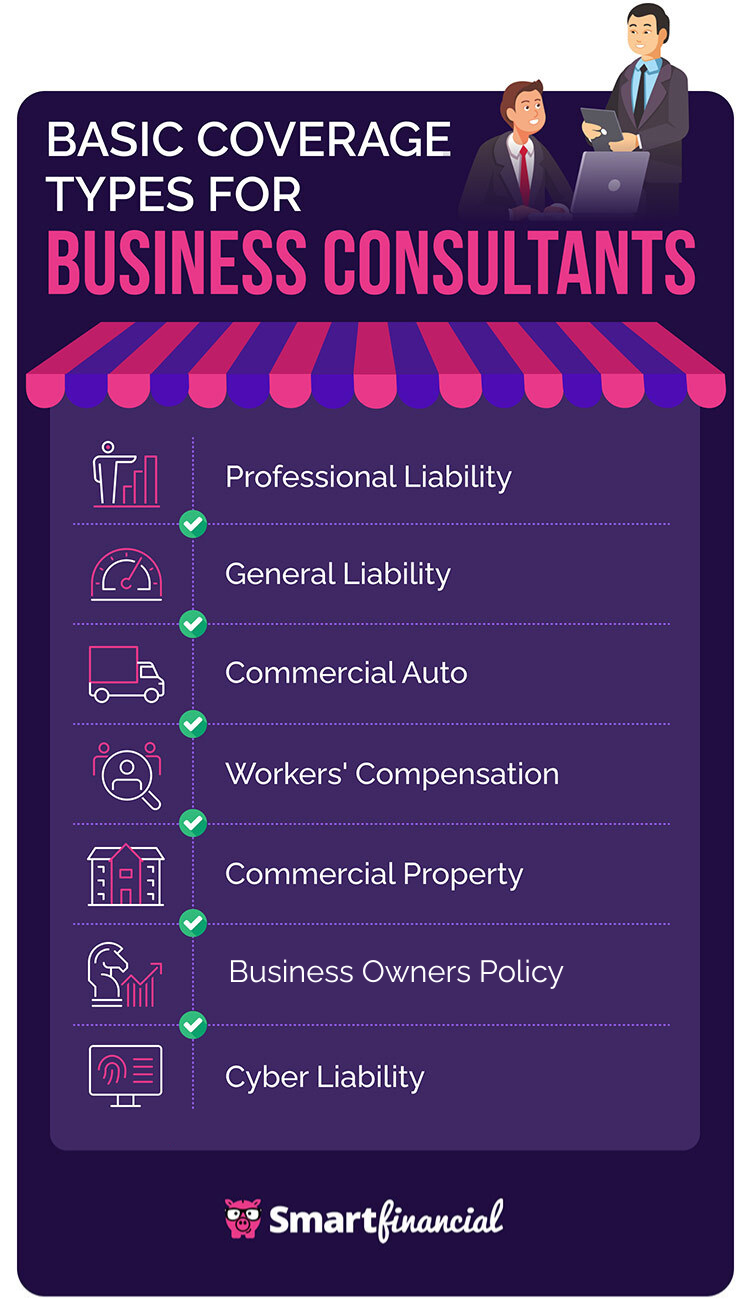
For complete protection, you will likely need a combination of different policies for your consulting business. See the sections below to learn about the most important types of commercial insurance for consultants.
Professional Liability Insurance for Consultants
Professional liability insurance — also called errors and omissions insurance — can cover your legal expenses if you are sued for making a mistake in the provision of professional services. Covered expenses may include attorney fees, judgments, settlements and other court costs. Here are examples of the kinds of claims this critical insurance product can cover for consulting professionals:[5]
- Inaccurate advice: Your E&O insurance can step in if one of your clients experiences financial trouble because they acted on poor advice you gave them. This coverage is particularly important for consultants, since their primary role is to give expert advice to clients.
- Errors and omissions: If you do something you should not have done or fail to do something you should have done in the course of your professional work, professional liability insurance can cover the fallout.
- Negligence: E&O insurance can take care of your legal fees if you face a lawsuit because you failed to exercise an appropriate amount of care in providing sound advice and your negligence led to a financial loss for your client.
- Misrepresentation: Professional liability coverage may also apply if you misrepresent your experience or the nature of the services you provide. For example, you could be sued if you mislead a client about your specialty and give them advice that does not apply to their field.
- Violation of good faith and fair dealing: A typical professional liability insurance policy can cover various breach of contract claims, including allegations that you attempted to undermine the terms of a client contract. Coverage may also apply if you breach a contract by missing important deadlines or failing to provide promised deliverables.
- Personal injury: In some cases, your E&O insurance will cover personal or advertising injury claims, such as accusations of defamation or copyright infringement.
General Liability Insurance for Consultants
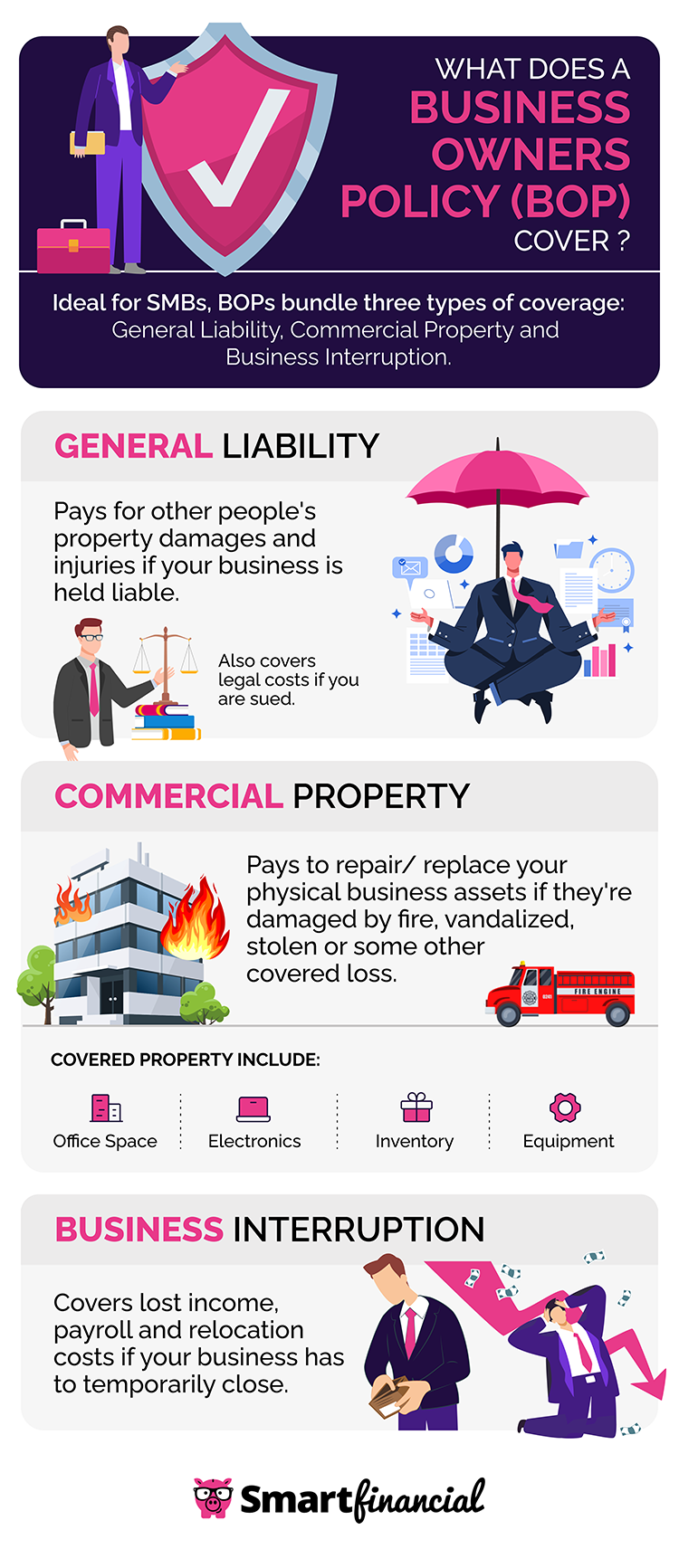
General liability insurance is a foundational commercial insurance product that is recommended for most businesses because it can cover many of the most common business-related risks. Your general liability policy should provide third-party coverage in the following situations:
- Bodily injury: General liability insurance can cover medical treatments for a guest who is injured on your business premises — such as a client who stubs and breaks their toe on a heavy cabinet while visiting your office for a presentation.
- Property damage: Your policy can also cover property repairs if you are held liable for damage to someone else’s property. For example, this coverage could apply if you improperly plug your laptop charger into an extension cord at a client’s office and spark a fire.
- Personal and advertising injury: A standard general liability insurance policy provides coverage for your legal expenses if you are sued for libeling or slandering another person or entity or for stealing copyrighted materials to use in your marketing materials. Since some professional liability policies also offer this coverage, you may need to ask your insurer to confirm which of your policies would cover these losses.
Commercial Property Insurance
Commercial property coverage insures the physical structure of the building you operate out of against sudden and unexpected perils, such as fires, storms or vandalism. Additionally, commercial property insurance protects items stored inside your office building — like equipment, furniture, inventory and documents — against theft and other sudden losses.
Business Owners Policy Insurance for Consulting Firms
A business owners policy is an insurance package that bundles general liability, commercial property and business interruption insurance together at an affordable price. Business interruption insurance covers lost revenue, payroll and relocation costs if you must temporarily cease or alter your business operations due to a loss covered by your BOP. For example, it may cover costs associated with a temporary shift to remote working after an office fire.
Workers’ Compensation Insurance
Workers’ compensation insurance can cover medical bills, rehabilitative care, lost wages, disability payments and death benefits if one of your employees experiences an injury, gets sick or dies while working or because of their work. For example, it could issue a payout to an employee who develops carpal tunnel syndrome from excessive typing on the job.
Cyber Liability Insurance for IT Consultants
Cyber liability insurance can cover legal costs for a consultant who is sued due to a data breach or a similar cybercrime. For example, if an IT consultant contracts with a technology company and stores confidential information about the company’s upcoming product on their laptop, cyber insurance could pay for any costs that arise after someone hacks into their computer and leaks that information.
Commercial Auto Insurance
Commercial auto insurance often includes multiple coverage types that can step in after a commercial vehicle accident. For example, liability insurance covers other people’s medical bills and car repairs, physical damage insurance covers damage to your company’s own vehicles and uninsured and underinsured motorist insurance can cover your expenses if the at-fault driver does not have any or enough insurance.
How Much Does Consultant Insurance Cost?
A comprehensive consulting firm insurance policy will generally cost several thousand dollars per year, but your exact premiums may depend on factors like the specifics of your coverage and your company’s risk exposure.
Professional Liability Insurance Cost
In general, the average cost of professional liability insurance ranges from $4,000 to $15,000 per year. Due to their high exposure to professional liability claims, consultants can likely expect higher-than-average errors and omissions insurance premiums. Coverage will likely be the most expensive for consultants in especially high-stakes fields, such as medical, engineering and architectural consultants.[6]
General Liability Insurance Cost
General liability insurance premiums range from $500 to $1,200 per year on average.[6] That said, consultants can likely expect their premiums to fall on the low end of this range because they may not have a very high exposure to the physical risks general liability insurance covers. For example, The Hartford’s consulting customers pay an average of $720 per year for general liability coverage.[7]
Nevertheless, general liability insurance could cost more for consultants who specialize in marketing, advertising and other types of media consulting, since they may have a relatively high exposure to personal and advertising injury claims. Regardless, consulting companies can generally expect to spend less on general liability insurance than on professional liability insurance.
Business Owners Policy Cost
Average annual premiums for business owners policies range from $500 to $3,000, so buying a BOP is more cost-effective than purchasing each coverage type separately.[6] However, keep in mind that your eligibility for a BOP may depend on the size and scope of your consulting business, as BOPs are designed for small and midsize businesses with standard coverage needs.[8]
Factors That Affect Consulting Insurance Rates
Commercial insurance companies typically take factors like these into account when setting business consultants’ insurance rates:
- Consulting specialty: Consultants who advise clients in higher-risk fields may have a greater exposure to professional liability lawsuits. Examples of specialties that may require higher insurance rates include IT consulting, management consulting and financial advising.
- Size: In general, larger businesses have a larger liability exposure, so you can often expect your commercial insurance premiums to go up as your annual revenue increases. Likewise, workers’ compensation insurance rates naturally increase as you hire more employees, since you are more likely to encounter a work-related accident or illness that affects one of your employees.
- Claims history: Past claims are often a predictor of future claims, so consultants who have had to file claims on their business insurance policies before may have to pay more for insurance coverage.
- Location: Certain geographic factors can impact the cost of your insurance policies. For example, commercial property insurance may cost more in regions with a high rate of covered natural disasters, while general liability insurance may cost more in populous urban areas where there may be a large volume of foot traffic at your office.
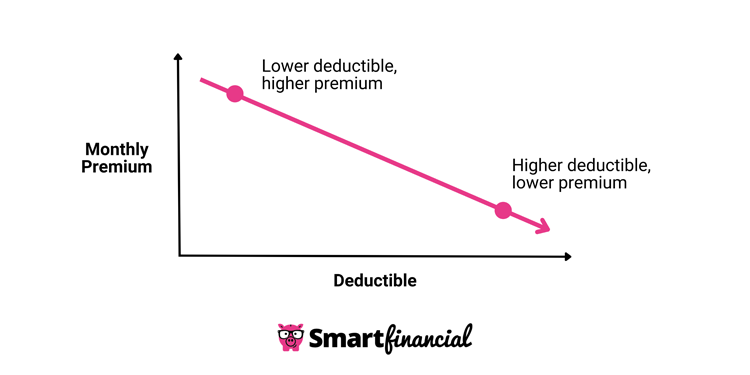
- Policy details: Your premiums will depend on the specific details of the insurance policy you’ve selected. If your policy comes with more coverage types, higher coverage limits and lower deductibles, you can expect to pay more for coverage.
What Risks Do Consultants Face Without Coverage?
Operating without insurance exposes consultants to significant financial and legal risks. Read the following sections to learn the consequences you could potentially face if you choose to go uninsured.
Lawsuits for Professional Mistakes or Bad Advice
Consultants can be sued for negligent advice, errors in deliverables or failure to meet contract terms and have to cover their own expenses without insurance. For example, a marketing consultant could have to fund their own legal defense if they are accused of giving bad advice and causing a client’s advertising campaign to fail, or a compliance consultant could have to pay a settlement out of pocket if they misled their client after misinterpreting a new set of regulations.
Third-Party Injury and Property Damage Claims
If they are held liable for third-party bodily injury or property damage, an uninsured consultant could have to pay for someone else’s medical treatments or property repairs out of pocket — along with their own legal fees in the event of a lawsuit. This risk is especially prevalent for consultants who work out of a physical location or frequently travel to clients’ properties.
Data Breaches and Cyber Liability Exposure
A consultant who is tasked with handling and storing sensitive client data may face exposure to data breach notification costs, regulatory fines and lawsuits in the event that their systems are hacked and clients’ information is stolen or leaked. These cyber risks may be especially pronounced for IT and marketing consultants or other consultants with access to their clients’ digital systems.
Uninsured Business Property Loss
Even if they don’t use elaborate commercial equipment, a consultant may still own a laptop, office furniture and other types of business personal property — which they could have to replace out of pocket in the event of a sudden peril if they don’t have proper coverage. Consultants who work from home still need to make sure they have adequate commercial coverage, since homeowners insurance limits coverage for home-based businesses.[9]
Why Consultants Should Carry Business Insurance
Beyond just risk avoidance, there are several positive benefits to carrying commercial insurance for consulting services. Check out some of the biggest upsides to buying consulting insurance coverage below.
Win More Contracts and Attract Larger Clients
Independent consultants are generally viewed as more professional if they have at least $1 million to $2 million worth of commercial liability coverage.[4] As a result, a certificate of liability insurance can be a crucial tool in the pitching process, instilling confidence in your reliability among prospective clients and opening the door for more lucrative consulting opportunities that may otherwise be out of reach.
Protect Personal Assets From Business Liabilities
In the event of a costly liability claim, a sole proprietor’s personal savings, home equity and other personal assets could be seized to cover business debts, making commercial insurance necessary to protect both the personal and commercial assets of certain consultants. While limited liability company owners have separate legal status from their LLCs, business coverage still creates a useful financial buffer in case a judge rules to “pierce the corporate veil.”[10]
Meet Legal and Regulatory Requirements
Compliance is crucial for keeping your consulting business from conflicts with the state or local government, and following your state’s commercial insurance laws is one of the most important ways to comply with regulatory requirements. Remember, commercial auto and workers’ compensation insurance are mandatory for most businesses. You should also check your state’s laws to see if any other coverages are necessary for your line of work.
How To Choose the Right Insurance for Your Consulting Business
Taking the following steps can help you find the best and most affordable commercial insurance policy for your consulting business.
Compare Quotes From Multiple Insurance Carriers
Coverage terms and prices can vary significantly among small business insurers. Since each carrier has its own method for assessing risk, you could encounter different premiums from different insurance companies — even if the respective policies provide the same amount of coverage. For this reason, comparing quotes from multiple insurance providers is the only way to ensure you’re getting the best possible deal on the coverage you require.
Review Coverage Limits and Policy Exclusions
When you compare quotes, make sure you don’t simply pick the cheapest policy you find — instead, take the time to analyze the specifics of each policy, including how much coverage is available and what isn’t covered. If a policy you are looking at excludes coverage for certain losses your consulting business is likely to face, then that policy may not be the right fit for your company.
Evaluate the Insurer Claims Process and Support
It can also be helpful to research relevant information about the insurers you are shopping with, such as their financial strength and customer satisfaction ratings. After all, if you find yourself in a stressful situation that necessitates filing a business insurance claim, you want to make sure the insurance carrier you’ve selected is able to support you in an effective and timely manner.
Business Insurance for Consultants at a Glance
- Consultants may need various types of business insurance to comply with state laws, secure client contracts and protect themselves against the various risks associated with advising clients in high-pressure situations.
- Professional liability insurance is generally the most important type of commercial insurance for consultants, as it covers allegations of professional mistakes or failures, including lawsuits related to inaccurate, negligent or misleading advice.
- Commercial auto and workers’ compensation insurance are often required by law for consultants, and consultants should also strongly consider some optional coverage types, like general liability, commercial property and cyber insurance.
- A business owners policy (BOP) is a cost-effective insurance package that allows low-risk consulting businesses to bundle general liability and commercial property coverages together at an affordable rate.
- Consulting insurance policies often cost several thousand dollars per year, depending on factors like your consulting specialty, annual revenue, employee headcount, coverage details, claims history and location.
- Without insurance, consultants could have to cover legal fees, medical treatments, property repairs and related expenses for themselves and others out of pocket after an unexpected accident or peril.
- Insured consultants are often viewed as more professional and trustworthy — making it easier to secure work with high-profile clients if you can produce a certificate of liability insurance.
- All insurance companies have unique methods for calculating insurance premiums, so you need to shop around to find the best deal on a commercial insurance policy for your consulting firm.
How To Get Business Insurance Quotes for Your Consulting Firm
Using an insurance marketplace platform like SmartFinancial is the simplest way to compare quotes from multiple commercial insurance companies. All you need to do is fill out a single online questionnaire, and then we’ll put you in touch with an insurance agent who can help you sift through the best insurance policies available for your consulting business. Get started on comparing business insurance quotes at no cost now!
- Insurance quotes /
- Commercial /
- Business Insurance For Consultants
Dylan Tate is an insurance content expert for SmartFinancial with over 300 articles about home, auto, business, health and life insurance under his belt. He has over nine years of experience writing for online publications, primarily about gaming and esports. In the process, he has become an expert in search engine optimization, news reporting, feature writing and copy editing.


Get a Free Commercial Insurance Quote.
More on Commercial Insurance

Looking for Commercial Insurance?
Compare rates from dozens of companies in less than 3 minutes.