

Electronic Data Processing Insurance for Businesses
 Written & Edited by Dylan Tate Written & Edited by Dylan Tate Dylan TateDylan Tate is an insurance content expert for SmartFinancial with over 300 articles about home, auto, business, health a... Read more |
 Editorial Standards
 SmartFinancial Offers Unbiased, Fact-based Information. Our fact-checked articles are intended to educate insurance shoppers so they can make the right buying decisions. Learn More
Small businesses that rely heavily on electronics that store valuable data may need electronic data processing (EDP) insurance to cover the costs of replacing lost data or the technology that stores it after a sudden peril. Notably, electronic data processing insurance can cover sources of damage to your computers that most basic commercial insurance policies won’t cover, like short circuits and cybercrimes.
Continue reading for more information about EDP coverage, including what kinds of equipment it can cover and how much you may have to pay for a policy.
|
Key Takeaways
|


What Is Electronic Data Processing Insurance?
EDP coverage is a type of commercial insurance that covers losses involving digital data or the devices used to store it. It may be available as an endorsement for your commercial property insurance policy. Examples of digital and physical assets that may be covered by an EDP insurance policy include the following:[1][2][3]
| Electronic data | Proprietary software |
| Computer programs | Operating systems |
| Laptops | Desktop computers and workstations |
| Printers, scanners and copiers | Telecommunications systems |
| Hardware cooling systems | Hard drives and other data storage equipment |
| Smartphones and tablets | Servers |
| Monitors | Computer-aided dispatch systems |
| Electronic voting equipment | Radio systems |
| Survey equipment | Water testing equipment |
| Global Positioning System (GPS) and Geographic Information System (GIS) technology | Camcorders |
| Memory resources | Control boxes |
| Peripheral devices | Scientific and medical research equipment |
Is Electronic Data Processing Coverage Required?
You are not required by law to purchase EDP coverage. That said, if you are leasing your electronic data processing equipment, your lessor could require you to show proof of property insurance coverage, in which case you may need an EDP policy to adequately cover the leased equipment.[3]
Who Is EDP Insurance Best For?
Any business that stores a significant amount of data digitally or otherwise relies heavily on electronics could benefit from an EDP insurance policy. This type of coverage is particularly beneficial for governmental organizations that use data processing equipment. These entities may be able to secure specialized EDP coverage through a member-based risk pool or a state-run insurance program.[2][3]
How Does Electronic Data Processing Insurance Work?
You may be able to insure your data and EDP equipment at either their actual cash value (ACV) or their replacement cost value (RCV).[1] ACV coverage takes depreciation into account when determining the value of your lost equipment, meaning your insurance payout may not be enough to fully pay for brand new equipment.
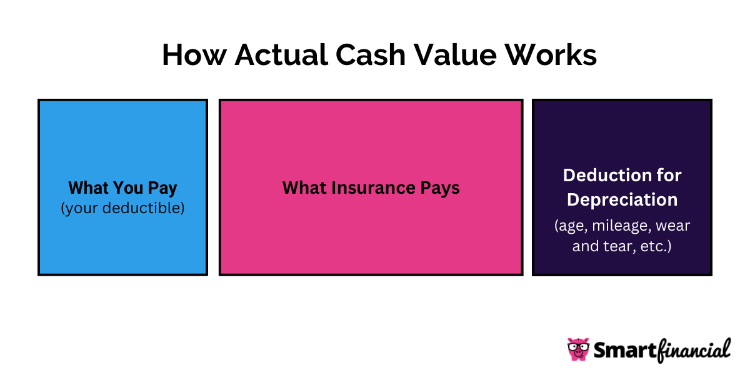
Conversely, your insurance company will cover the full cost of replacing damaged or destroyed equipment after a covered peril if you opt for RCV coverage. If an exact replacement is not available, your insurer may instead cover the cost of purchasing similar equipment, also known as the functional replacement cost.[1]
You should note that some insurance companies offer an alternative to EDP coverage known as electronic data loss insurance. This coverage type similarly covers expenses that come up when you lose digital data, including losses related to e-commerce activity. However, an electronic data loss insurance policy may not pay to repair or replace your computers and other types of hardware after they experience physical damage.[4]
What Are the Benefits of EDP Coverage?
The main benefit of EDP insurance is that it provides coverage for perils that aren’t covered by a standard commercial property insurance policy. For example, your commercial property coverage can pay to replace your computers if they are stolen or destroyed in an office fire, but you may need EDP insurance to cover computers that stop functioning due to a sudden internal breakdown.
What Does Electronic Data Processing Insurance Cover?
EDP insurance often covers perils that are excluded from standard commercial property insurance coverage and that pose a substantial risk to high-tech data processing machinery, such as the following:[1][2]
- Temperature and humidity changes
- Computer viruses
- Hacking by either an employee or a third party
- Power surges and other electrical malfunctions
- Blackouts and brownouts
If your business owners policy (BOP) happens to exclude coverage for your data processing equipment, then an EDP policy may also cover perils that would otherwise be covered by commercial property insurance, like windstorms.[3]
Another major benefit of EDP insurance is that it may include business interruption coverage. As a result, your insurance carrier may cover lost revenue and other operational expenses that arise if you are unable to conduct business as usual after a sudden loss of data or equipment that is covered by your policy.[1]
What Isn’t Covered?
An insurance policy for lost data generally won’t cover losses caused by negligence or other mistakes your business is responsible for. It also won’t cover third-party liability lawsuits involving the loss of someone else’s data due to a cybercrime, like a data breach, since these claims are instead covered by cyber insurance.[4]
You’ll need to pay attention to the details of your EDP insurance policy to determine if there are any other exclusions because some policies exclude coverage for losses that are covered by other policies. For example, not all policies cover financial losses, utility service interruptions or employee actions.[1][4]
How Much Does EDP Coverage Cost?
State agencies that are insured through the Florida Division of State Purchasing can procure $1 million worth of EDP insurance for about $4 to $36 per year, depending on whether they own or lease the covered equipment, along with their risk exposure and loss history.[3]
How To Get Electronic Data Processing Insurance for Your Small Business
Comparing premiums from around three to five different business insurance companies can help you figure out the best possible deal you can get on an electronic data processing insurance policy. The problem is that it can take quite a while to individually reach out to numerous insurers in order to request quotes.
For a much faster comparison shopping process, consider using SmartFinancial. After you fill out a brief questionnaire, you’ll be connected with a highly qualified agent through our insurance marketplace platform, and they’ll help you find the right insurance policy for your business. Start comparing commercial insurance quotes for free today.
- Insurance quotes /
- Commercial /
- Electronic Data Processing Insurance
Dylan Tate is an insurance content expert for SmartFinancial with over 300 articles about home, auto, business, health and life insurance under his belt. He has over nine years of experience writing for online publications, primarily about gaming and esports. In the process, he has become an expert in search engine optimization, news reporting, feature writing and copy editing.


Get a Free Commercial Insurance Quote.
More on Commercial Insurance

Looking for Commercial Insurance?
Compare rates from dozens of companies in less than 3 minutes.