

Coastal Property Insurance: Coverage, Costs and How To Protect Your Home
 Written by Dylan Tate Dylan TateDylan Tate is an insurance content expert for SmartFinancial with over 300 articles about home, auto, business, health a... Read more |  Edited by Richard Murphy Richard MurphyRichard Murphy manages content on SmartFinancial's website. With a strong background in content strategy and copywriting... Read more |
 Editorial Standards
SmartFinancial Offers Unbiased, Fact-based Information. Our fact-checked articles are intended to educate insurance shoppers so they can make the right buying decisions. Learn More
With a high risk of damage from hurricanes, flooding and sudden erosion, coastal properties are often expensive to insure — and homeowners insurance companies may even decline to cover these properties altogether. If you’re struggling to find coastal home insurance from a traditional insurer, you may need to shop with specialty surplus lines carriers or even your state’s insurance company of last resort.
For more details about homeowners insurance for coastal properties — including important coverages and cost considerations you need to keep in mind — keep reading below.
|
Key Takeaways
|
On This Page

What Is Coastal Home Insurance?
What Does Coastal Home Insurance Cover?
What Coastal Home Insurance Doesn’t Cover
How Much Does Coastal Home Insurance Cost?
Do Coastal Homeowners Need Separate Flood and Windstorm Insurance?
What Are the Best Home Insurance Options for Coastal Properties?
Coastal Home Insurance at a Glance
How To Find Affordable Coastal Home Insurance
Frequently Asked Questions

What Is Coastal Home Insurance?
Simply put, coastal home insurance refers to policies that insure properties situated near oceans and other major waterways against sudden property damage. Waterfront property insurance isn’t necessarily a singular specialized coverage type, but it may refer to a collection of policies accounting for common exclusions in standard home insurance policies that may otherwise result in significant coverage gaps for homeowners in coastal regions.
If you live in a coastal town, your insurer may enforce a separate deductible for claims related to hurricanes or other windstorms. Unlike standard deductibles — which are usually set at a flat dollar amount — wind and hail deductibles are often set at a percentage of the insured value of your home.[1] For example, if you have a 4% hurricane deductible and $350,000 worth of dwelling coverage, you must pay $14,000 out of pocket toward covered hurricane claims.
What Does Coastal Home Insurance Cover?
Home insurance for coastal properties protects your house and belongings against numerous sudden perils. In addition, coverage is available for certain other losses, such as liability claims and extra expenses that arise when you must leave your home due to severe property damage.
| Damage or Expense |
Covered by Standard Home Insurance? |
Additional Protection Needed? |
|---|---|---|
|
Fire and smoke |
Yes |
No |
|
Theft and vandalism |
Yes |
A scheduled personal property coverage add-on may be needed to insure valuables at their full replacement cost |
|
Wind damage |
Depends on where you live |
Separate windstorm coverage may be necessary in select high-risk regions |
|
Storm surge and coastal flooding |
No |
Separate flood insurance is necessary |
|
Additional living expenses |
Yes |
No, but additional living expenses necessitated by floods aren’t covered |
|
Earthquake damage |
No |
Separate earthquake insurance is necessary |
Dwelling and Other Structures Coverage
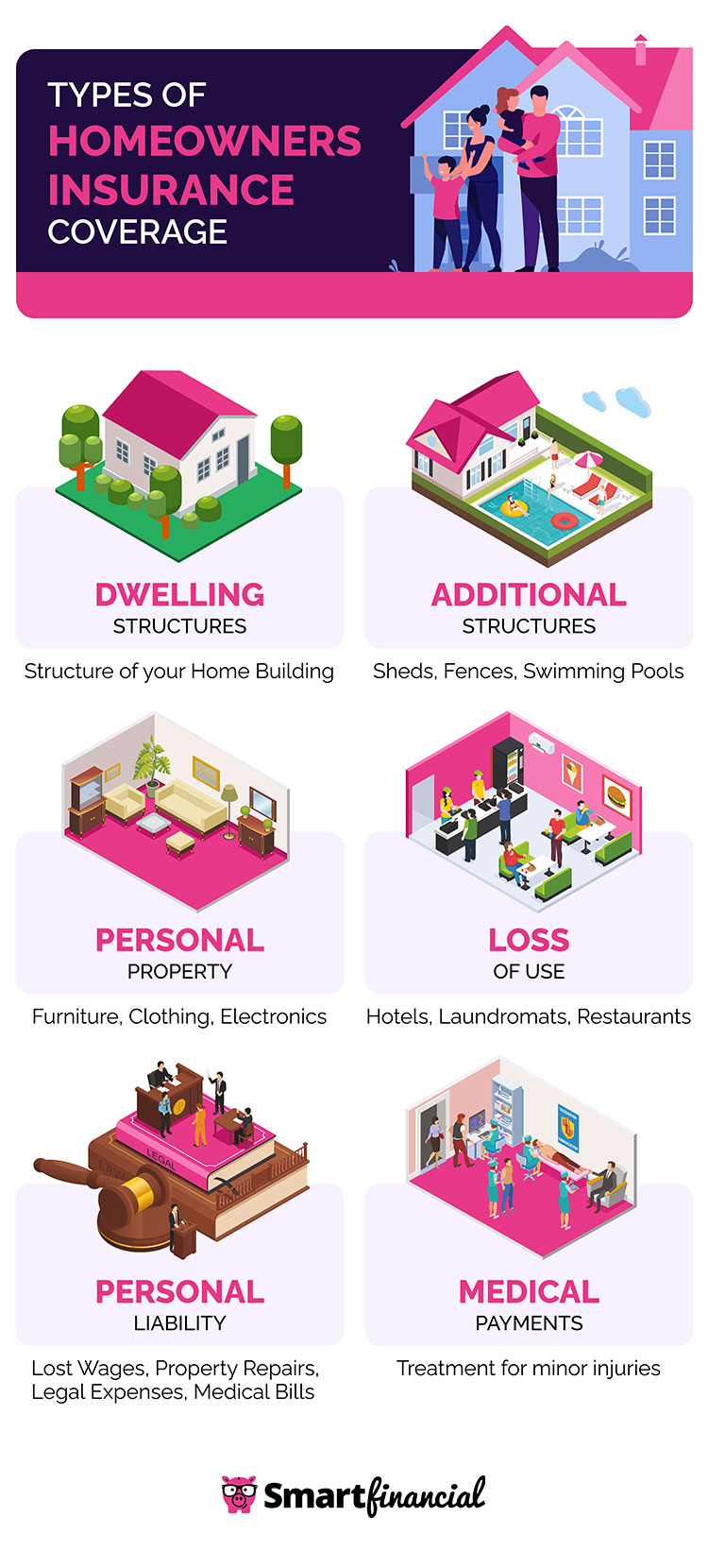
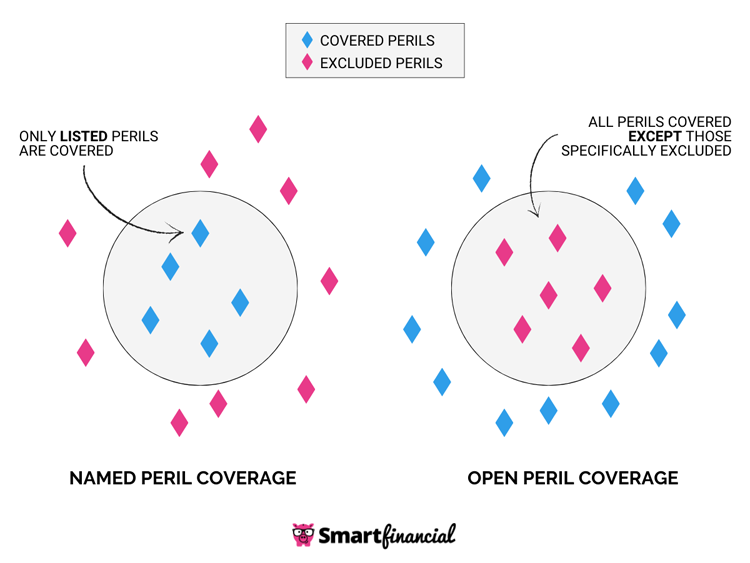
A standard HO-3 home insurance policy includes dwelling coverage that protects the physical structure of your house and all attached fixtures on an open peril basis — meaning all sources of damage are covered unless the policy expressly states otherwise.[2] The same level of coverage generally extends to standalone structures like fences and sheds under the other structures coverage portion of the policy.[3]
Personal Property and Liability Protection
Unlike dwelling and other structures coverage, personal property coverage within a standard HO-3 policy insures your clothes, electronics, furniture and other items on a more limited named peril basis. Most policies only cover your possessions against the following 16 perils specifically mentioned in the policy documents:[2]
|
Windstorm or hail |
Volcanic eruptions |
|
Explosion |
Falling objects |
|
Riot or civil commotion |
Weight of ice, sleet or snow |
|
Damage by aircraft |
Water/steam discharge from home systems and appliances |
|
Damage by vehicle |
Sudden/accidental tearing, cracking, burning or bulging of home systems |
|
Smoke |
Freezing of home systems |
|
Vandalism or malicious mischief |
Sudden/accidental power surges |
Meanwhile, homeowners policies come with personal liability insurance to cover legal fees, medical bills, funeral costs and repair bills in case you’re held liable for a visitor’s injury or damage to their property. For example, this coverage may take care of relevant expenses if a guest drowns in your swimming pool. Your policy may also include medical payments insurance, which provides no-fault coverage for minor injuries but doesn’t cover legal costs.[4]
Additional Living Expenses After Covered Damage
After covered property damage, you may need to temporarily move out of your home while you wait for repairs to be completed. In these cases, your loss of use coverage can pay for hotel stays, restaurant meals, laundromat services and other additional living expenses. Keep in mind that your loss of use coverage will only take effect if your house is declared uninhabitable due to severe structural damage or utility disruptions.[5]
What Coastal Home Insurance Doesn’t Cover
Even the best insurance for coastal homes will come with a set of excluded perils — or sources of damage to your home or belongings that the policy won’t cover. Here are some common exclusions that may apply if you have insurance for beachfront properties:[6][7]
- Wind and hail
- Flooding
- Earthquakes, landslides, sinkholes and other ground movements
- Losses stemming from neglect or poor maintenance
- Government-ordered demolitions
- War and nuclear hazards
- Termite infestations
- Power failures originating away from your property
- Wear and tear or other gradual damage
How Much Does Coastal Home Insurance Cost?
In many cases, homeowners insurance prices are much higher than average in coastal regions. For example, across the four most hurricane-prone states in the nation — Florida, Louisiana, Texas and North Carolina — the average cost of home insurance in the most expensive major coastal cities is more than three times higher than the average cost in the cheapest major inland cities.[8][9][10][11][12]
Why Is Home Insurance More Expensive Near the Coast?
Home insurance is often more expensive near the coast because shoreside properties have a high exposure to severe weather damage — including the brunt of tropical storms.[14] In particular, windstorms are associated with larger home insurance premium impacts than other natural disasters. For example, policyholders with a high exposure to wildfire damage only pay 8% more on average, while those with a high exposure to wind damage pay 58% more.[13]
In addition, local rebuilding and repair costs may contribute to higher homeowners insurance premiums if you live near the coast. After a destructive hurricane, the demand for construction materials and labor may increase dramatically in your area, resulting in higher insurance payouts. To account for this, insurers may need to charge policyholders more up front in high-risk coastal regions.[14]
What Factors Affect Coastal Home Insurance Premiums?
Some of the main factors shaping how home insurance companies set your rates include the following:[15][16]
- Location-based risk factors, such as increased windstorm exposure
- Building age and construction materials
- Access to fire protection services
- Policy details, such as coverage types, deductibles and coverage limits
- Discount eligibility
- Claims history
- Inflation
Coastal Homeowners Insurance Cost by State
Below, you’ll see the average cost of homeowners insurance in the 30 coastal states that border an ocean, gulf or Great Lake.[17] Remember, insurance costs are frequently higher than these statewide averages for homeowners living directly next to the water.
|
State |
Average Annual Home Insurance Premium |
|
Washington |
$1,880 |
|
Oregon |
$1,705 |
|
California |
$1,820 |
|
Alaska |
$1,385 |
|
Hawaii |
$900 |
|
Texas |
$4,915 |
|
Louisiana |
$2,020 |
|
Mississippi |
$4,445 |
|
Alabama |
$4,285 |
|
Virginia |
$2,265 |
|
North Carolina |
$3,025 |
|
South Carolina |
$3,205 |
|
Georgia |
$3,225 |
|
$2,845 |
|
|
Maine |
$1,525 |
|
New Hampshire |
$1,500 |
|
Massachusetts |
$1,645 |
|
New York |
$1,710 |
|
Connecticut |
$2,135 |
|
Rhode Island |
$2,230 |
|
New Jersey |
$1,480 |
|
Delaware |
$1,365 |
|
Maryland |
$2,375 |
|
Minnesota |
$3,615 |
|
Wisconsin |
$2,175 |
|
Michigan |
$2,415 |
|
Illinois |
$3,240 |
|
Indiana |
$2,985 |
|
Ohio |
$2,080 |
|
Pennsylvania |
$1,720 |
Do Coastal Homeowners Need Separate Flood and Windstorm Insurance?
Basic homeowners insurance policies often exclude coverage for some of the most common and dangerous hazards facing coastal homeowners, so they may need to purchase separate flood and wind insurance policies to secure complete protection against prevalent coastal risks.
When Is Flood Insurance Necessary?
Standard home insurance doesn’t provide any coverage for damage from floodwaters, so any person living in a region with an elevated flood risk needs separate flood insurance. You may even be required to maintain flood insurance if you live in a high-risk flood zone and have a government-insured mortgage or have received federal disaster aid before and want to be eligible for future aid.[18]
When Separate Windstorm Insurance Might Be Required
Despite the fact that wind and hail are among the perils explicitly covered by most HO-3 home insurance policies, insurance companies may be allowed to exclude coverage for these perils in regions with an especially high exposure to them, such as the Texas Gulf Coast. As a result, you may need to buy additional windstorm insurance from a private carrier or a state-run last-resort insurer if you live in a high-risk coastal town.[6]
What Are the Best Home Insurance Options for Coastal Properties?
Due to their complicated risk profiles, coastal homeowners may need to evaluate several options to find the right homeowners insurance coverage — ranging from the normal private market to backup options established by state governments.
| Coverage Option |
What It Covers |
Key Consideration |
|---|---|---|
|
Standard home insurance |
Property damage, liability claims and additional living expenses |
Wind damage exclusions or separate windstorm deductibles may apply in high-risk areas |
|
Standalone windstorm insurance |
Damage from wind and potentially related hail losses only |
Doesn’t provide complete homeowners protection on its own |
|
NFIP flood insurance |
Flood damage to your home and belongings |
Coverage isn’t available beyond the maximum limits established by FEMA |
|
Private flood insurance |
Flood damage to your home and belongings |
Lacks the backing of the federal government but may offer higher coverage limits at a lower cost |
|
FAIR/residual market insurance |
Property damage from basic perils |
Typically costs more than other insurance options while offering less coverage |
|
Surplus lines insurance |
Floods, landslides and potentially other perils excluded from an existing homeowners policy |
Carriers aren’t licensed, so claims go unpaid if a carrier is unable to pay them |
Standard Home Insurance Companies
Even if you face higher-than-average premiums, obtaining coverage from a standard home insurance company is often the most straightforward and affordable way to insure a coastal property — if you’re eligible, that is. Insurance providers may decline to cover you if you live in an extremely high-risk area or have filed several claims before, which means you may be forced to look into alternative options if you can’t find coverage on the private market.[19]
State Windstorm and FAIR Plans
Many states have a government-established insurer of last resort designed to cover customers who aren’t eligible for private insurance coverage. You may qualify for a coastal-specific Beach Plan or a statewide Fair Access to Insurance Requirements Plan.[1] However, FAIR Plans often cost more than basic policies while providing less coverage, so you shouldn’t consider joining a FAIR Plan if you can find a standard homeowners insurance policy instead.[20]
Excess and Surplus Lines Insurance
One supplemental coverage option to consider is difference-in-conditions insurance. This type of policy is sold by excess and surplus lines insurers — unlicensed carriers that cover unique risks by operating outside of the standard insurance market.[21] DIC policies may be customized to fill in gaps in your existing homeowners or FAIR Plan coverage, potentially covering otherwise excluded perils, like plumbing leaks, service line collapses, floods and earth movements.[22][23]
National Flood Insurance Program vs. Private Flood Insurance
The vast majority of flood insurance policies in the United States are underwritten by the NFIP, an insurance program run by the Federal Emergency Management Agency. Many private insurance companies administer NFIP policies, but some insurers underwrite their own flood insurance policies. Though they lack the guaranteed backing of the federal government, private policies may offer broader and more customizable flood coverage at a lower price.[24]
Coastal Home Insurance at a Glance
- Coastal home insurance may refer to the combination of homeowners, windstorm, flood and potentially other supplemental insurance policies that work together to protect oceanfront properties against common risks.
- Standard home insurance policies don’t cover flooding. While most basic policies do cover windstorms, wind and hail may be excluded from coverage in high-risk coastal locations.
- Other common home insurance exclusions include earthquakes, infestations, progressive damage and losses triggered by ordinance or law.
- Waterfront home insurance tends to be expensive due to the increased exposure to severe weather damage and high construction costs following a natural disaster.
- Homeowners who don’t qualify for standard coastal home insurance may need to shop from surplus lines companies that specialize in covering unique risks. These unlicensed carriers aren’t part of state guaranty associations, though, so you won’t be reimbursed for covered losses if the insurer goes under.
- If all private insurance options fail, you may need to apply for coverage through your state’s insurer of last resort. However, policies from these risk pools tend to cost more while providing less coverage.
How To Find Affordable Coastal Home Insurance
Take these steps to find the best and most affordable insurance policy to cover your vacation home or other coastal property:
- Add wind-resistant shingles or other home upgrades to improve your odds of qualifying for affordable coverage.
- Figure out how much coverage you need to adequately insure your property and protect against other common financial risks.
- Prepare all the information you’ll need to share with insurance companies to request quotes.
- Reach out to three or more insurance providers, and compare quotes based on their costs and coverage levels.
- If you’re approved for a policy, pay your first premium to activate your home insurance coverage.
SmartFinancial makes comparison shopping easy, enabling you to collect quotes from multiple insurance companies after filling out a single online questionnaire about your budget and coverage needs. We’ll connect you with an agent who may be able to help you find the right policy in as little as a few minutes. Get started on comparing homeowners insurance quotes for free today!
What To Do if You Can’t Get Coastal Home Insurance
If no standard insurance companies will cover you or the policies you qualify for are prohibitively expensive, take the following steps:
- Ask insurers if there are any loss prevention measures you can implement to make your home eligible for affordable coverage.
- Look into high-risk home insurance companies or surplus lines carriers that may specialize in covering risky coastal properties.
- Work with an insurance agent or broker to apply for coverage through your state’s insurer of last resort.
- Determine whether you need supplemental coverage, such as DIC, windstorm or flood insurance.
- Make sure you’re covered well before a storm hits, since flood insurance policies may come with a 30-day waiting period before coverage takes effect.[24]
- Insurance quotes /
- Home /
- Coastal Home Insurance
Dylan Tate is an insurance content expert for SmartFinancial with over 300 articles about home, auto, business, health and life insurance under his belt. He has over nine years of experience writing for online publications, primarily about gaming and esports. In the process, he has become an expert in search engine optimization, news reporting, feature writing and copy editing.


Get a Free Home Insurance Quote Online Now.
More on Home Insurance

Looking for Home Insurance?
Compare rates from dozens of companies in less than 3 minutes.