

Does My Business Need Renters Insurance?
 Written by Preston Micalizio Written by Preston Micalizio Preston MicalizioPreston Micalizio writes insurance content for SmartFinancial. He brings three years of professional experience writing ... Read more |  Edited by Dan Marticio Edited by Dan MarticioDan MarticioDan Marticio is the content manager at SmartFinancial and has written 150+ articles across multiple insurance verticals.... Read more |
 Editorial Standards
 SmartFinancial Offers Unbiased, Fact-based Information. Our fact-checked articles are intended to educate insurance shoppers so they can make the right buying decisions. Learn More
When renting a space for your business, your landlord may require you to have business renters insurance, which insures your business for property damage and liability. Small business owners can usually secure this coverage via a business owners’ policy (BOP), which also includes coverage for income loss due to a covered loss.
Keep reading to learn more about business renters insurance, what it covers and what costs you can expect.
|
Key Takeaways
|


What Is Business Renters Insurance?
Business renters insurance is a form of business insurance that helps protect a rented or leased commercial space, such as a retail store, workshop or office space, against property damage, liability and sometimes income loss. Landlords often require businesses to have business renters insurance in order to rent or lease a commercial property.
While a landlord may have their own commercial property insurance that covers risks to the physical building itself, that coverage typically won’t extend to your business and any of its assets or equipment.[1] For example, if a massive storm wrecks your office, the landlord’s insurance may cover the building’s ceiling and windows, but it wouldn’t cover your computers or furniture.
Who Needs Business Renters Insurance?
Any business that is required to have business renters insurance as a condition of their commercial lease will need this coverage. Some professions that may need this coverage if they rent their business space could include:
- Lawyers
- Accountants
- Real estate agencies
- Retail stores
- Restaurants and cafes
- Manufacturing
- Office workers
How Does Business Renters Insurance Work?
Business renters insurance is flexible and can refer to a single policy or a combination of businesses in rented spaces. Depending on the needs of your business, your policy could include one or more of the following:
- General liability insurance: This coverage helps protect your businesses from non-employee bodily injuries, property damage your business causes to the rented structure and damages caused to your business’s reputation, such as defamation.
- Commercial property insurance: This type of coverage can protect against losses caused by theft, external damages and some natural disasters. Your landlord may also require this coverage.
- Business interruption insurance: Also called business income insurance, this coverage will help reimburse you if your business loses some or all of its expected income due to a covered event, such as a fire that leaves your store unusable until repairs are made.
Consider getting business renters insurance through a business owners policy (BOP), which is exclusive to small and medium businesses. It often bundles those business insurance policies at a discounted rate.[2]
Similar to other forms of business insurance coverage, when a covered incident impacts your business, you’ll file a claim with your insurance company to reimburse you for the damages or legal fees. Typically, you’ll need to cover the cost of your deductible as part of that reimbursement. Depending on your policy, you may be reimbursed based on the damaged property’s replacement cost or its actual cash value.
What Does Business Renters Insurance Cover?
Business renters insurance can cover your business property against perils listed on your policy, which typically include:[3]
- Theft
- Fire
- Lightning
- Smoke
- Explosion
- Hail
- Windstorm
- Vehicles
- Vandalism
- Sinkhole collapse
- Volcanic action
- Sprinkler leaks
If one of the above perils forces your business to close and your business renters policy includes business interruption coverage, your lost income can also be covered. In addition, if your policy has general liability insurance, it can cover liability expenses, such as settlements, medical bills and reimbursing third parties for damaged property.
What Isn’t Covered?
Some natural disasters, such as earthquakes and floods, may not be included in your business renters insurance policy. Keep in mind that some policies may allow you to add protections for otherwise excluded natural disasters at an additional cost, depending on where you live. Generally, incidents due to negligence, such as pests or mold, are unlikely to be covered. Additionally, intentional acts, such as employee vandalism, typically aren’t covered.[4]
How Much Does Business Renters Insurance Cost?
The cost of business renters insurance will vary depending on what policies you need. For example, you may reduce costs by not getting business interruption coverage. If you choose to purchase policies separately, here are examples of average monthly costs from a few insurers:
|
General Liability Coverage Average Monthly Cost |
Commercial Property Coverage Average Monthly Cost |
|
|---|---|---|
|
The Hartford[5][6] |
$67 |
$140 |
|
NEXT Insurance[7] |
$25 to $45 |
$25 to $75 |
Note that business interruption insurance isn’t available as a standalone policy at some insurers, including The Hartford and NEXT Insurance.[8][9] To get this coverage, you likely need to purchase it as part of a bundle with other policies, such as a BOP, which can cost an average of $85 a month from The Hartford.[10]
Other factors contributing to cost may include location and your business’s industry, which may carry a higher risk than others. For example, you’re more at risk for a liability claim if your business regularly has customers, like a cafe or retail store, in a crowded area than a small real estate office in an urban town. If your business is relatively new, it may also be seen as a more risky endeavor since you haven’t yet shown a history of avoiding claims, which could also result in a higher premium.
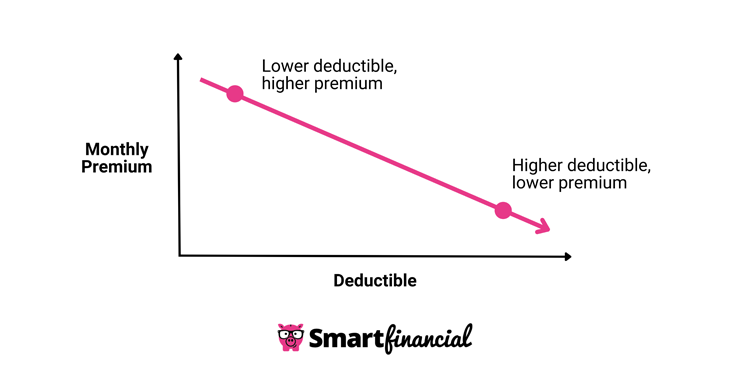
In addition, your business renters insurance rates will vary based on your deductible, with lower deductibles typically leading to higher premiums.
How To Get Business Renters Insurance
Start by shopping around, as insurers may weigh factors about your business differently. Try to get quotes from three to five insurance companies to get a range of options. Keep in mind you’ll typically need to inform the insurers of your business’ location, industry and history, among other details they’ll use in the underwriting process. This process may be tedious, as you’ll typically need to provide this information to each insurance company one at a time.
You can help speed things up by using an insurance marketplace like SmartFinancial. After answering a brief questionnaire about your business and its needs, we can connect you with a licensed insurance agent to help you find the ideal policy to meet your coverage goals. Click here to get a free commercial insurance quote today!
- Insurance quotes /
- Commercial /
- Business Renters Insurance
Preston Micalizio writes insurance content for SmartFinancial. He brings three years of professional experience writing in various industries, from higher education to e-commerce. He strives to engage with the audience, provide accurate reporting and make complex subjects easily digestible.


Get a Free Commercial Insurance Quote.
More on Commercial Insurance

Looking for Commercial Insurance?
Compare rates from dozens of companies in less than 3 minutes.